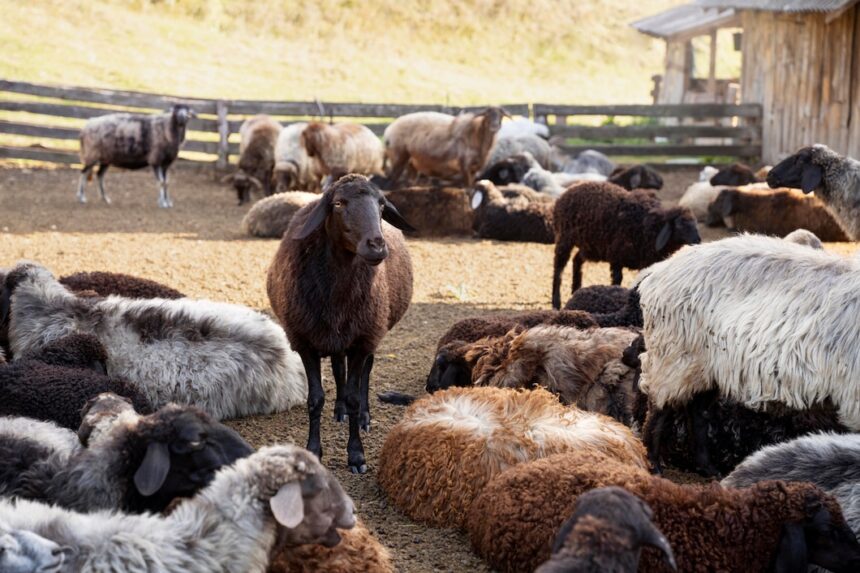
Emerging livestock farmers in South Africa face unique challenges when trying to establish and expand their operations. Access to finance is one of the most critical barriers, as starting or scaling a livestock farm requires substantial investment in animals, feed, infrastructure, and veterinary care. Fortunately, several financing options are available to support new and developing farmers in the sector. Understanding these options and how to access them can help farmers build sustainable operations while contributing to rural economic development.
Government programs provide key support for emerging livestock farmers, with the Department of Agriculture, Land Reform, and Rural Development offering grants, loans, and subsidies. Programs such as the Comprehensive Agricultural Support Programme (CASP) and the Land Bank’s development loans are designed to fund livestock purchases, fencing, water infrastructure, and feed. These initiatives often target historically disadvantaged farmers and provide preferential terms to encourage growth in rural communities. Farmers need to prepare detailed business plans and demonstrate the viability of their livestock projects to qualify for these programs. Accessing government support also requires compliance with legal and environmental regulations, including proper livestock registration and biosecurity measures.
Private sector financing is another avenue for emerging farmers, including commercial banks, agricultural finance companies, and development-focused investment funds. Institutions such as ABSA, FNB, and Standard Bank offer livestock loans, operational financing, and asset-based lending tailored to agricultural enterprises. These loans may cover the purchase of breeding stock, feedlots, and equipment, often with flexible repayment terms based on farm cash flow. Collaborating with agricultural cooperatives or commodity groups can improve a farmer’s creditworthiness and increase access to private financing. Combining private sector loans with government incentives can provide sufficient capital to establish a resilient livestock enterprise.
Microfinance and cooperative funding also play a role in supporting small-scale livestock farmers, especially in rural areas. Local cooperatives and community-based savings groups allow farmers to pool resources and access small loans for buying animals, feed, and veterinary services. These arrangements encourage financial literacy and responsible borrowing, while enabling farmers to gradually scale their operations. Some cooperatives also facilitate bulk purchases of inputs, reducing costs and improving profitability. For farmers who may not qualify for traditional bank loans, microfinance provides an essential lifeline to enter or expand in the livestock industry.
Emerging livestock farmers should also consider alternative financing strategies such as contract farming, value chain partnerships, and private investment. Contract farming agreements with processing companies or retailers provide upfront funding for livestock production in exchange for guaranteed purchase agreements. Value chain partnerships with feed suppliers, transporters, and processors can reduce operational risks while improving access to markets. Private investors or impact investment funds may provide equity financing or matching grants for innovative livestock projects with strong growth potential. Combining multiple financing options allows emerging farmers to spread risk, increase production capacity, and ensure long-term sustainability in the livestock sector.
By exploring government grants, private loans, microfinance, and innovative partnerships, emerging livestock farmers in South Africa can overcome financial barriers and establish competitive operations. Access to finance not only enables farmers to purchase animals and inputs but also supports infrastructure development, market access, and long-term growth. With the right funding strategy, emerging farmers can contribute to rural development, food security, and job creation while building profitable and sustainable livestock enterprises. Understanding and leveraging these financing options is a key step toward success in South Africa’s dynamic livestock industry.
Join 'Farmers Mag' WhatsApp Channel
Get the latest Farming news and tips delivered straight to your WhatsApp
CLICK HERE TO JOIN