

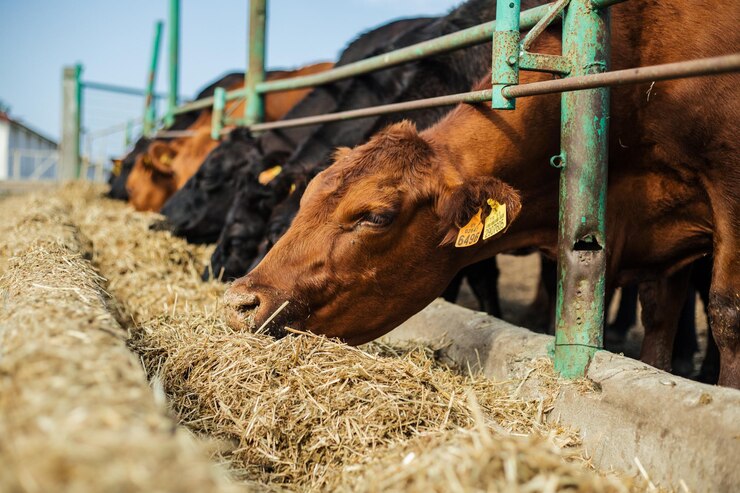
Drought poses a major challenge for South African cattle farmers, threatening herd health, productivity, and overall farm profitability. Limited rainfall reduces the availability of grazing pastures and fresh fodder, forcing farmers to seek alternative feeding strategies. Failure to adapt quickly can lead to weight loss, weakened immunity, and in severe cases, livestock mortality. Affordable and practical solutions are therefore essential to ensure that cattle receive adequate nutrition while minimizing financial strain. By implementing drought-focused feeding strategies, farmers can sustain their herds, protect investment, and maintain production even under harsh environmental conditions.
One effective approach is the use of conserved fodder such as hay, silage, and crop residues. Hay made from drought-resistant grasses or legumes provides a reliable source of fiber and nutrients when pastures fail. Silage, including maize or sorghum, can be stored and fed as needed, offering a high-energy option that supports weight maintenance. Crop residues, such as maize stover or sunflower stalks, are often locally available and inexpensive, allowing farmers to stretch feed resources during prolonged dry spells. Combining these feeds ensures a balanced diet while avoiding over-reliance on a single source, which can compromise nutrition.
Supplementary feeding is another practical solution to mitigate the effects of drought. Commercial protein supplements, mineral licks, and energy blocks help maintain health and fertility when natural forage is scarce. For small-scale farmers, locally produced protein sources such as legume meals, oilcake, or brewery by-products can provide cost-effective alternatives. Feeding schedules should be adjusted to avoid overfeeding expensive supplements while ensuring cattle receive sufficient nutrients. Careful monitoring of body condition and health indicators allows farmers to fine-tune feeding practices and prevent nutritional deficiencies.
Water management is equally important during drought periods. Adequate hydration supports digestion and feed efficiency, making water availability critical for effective feeding strategies. Farmers can use water storage tanks, boreholes, or troughs to ensure consistent access, while considering options for recycling runoff or rainwater collection. In arid areas, rotating grazing paddocks and using drought-tolerant forage species can also conserve pasture resources and reduce dependence on purchased feed. Integrated water and feed management allows cattle to maintain condition, even when environmental conditions are severe.
Planning ahead and using affordable, locally available resources is key to sustaining cattle during droughts. Farmers who stockpile fodder, identify alternative protein sources, and manage water efficiently reduce the risks associated with feed shortages. Government programs, agricultural extension services, and community cooperatives can provide support, guidance, and access to resources, helping farmers implement these strategies effectively. By combining proactive planning with practical feeding solutions, South African cattle farmers can protect herd health, maintain productivity, and navigate drought conditions without incurring prohibitive costs. A well-prepared farm is more resilient, ensuring that cattle remain healthy and the operation remains sustainable, even in challenging dry periods.
Join 'Farmers Mag' WhatsApp Channel
Get the latest Farming news and tips delivered straight to your WhatsApp
CLICK HERE TO JOIN




