

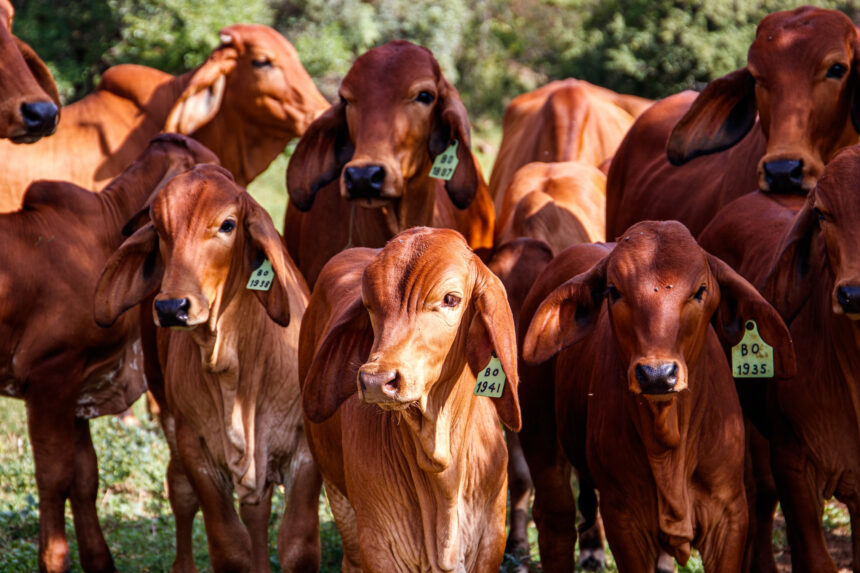
Farming in hot climates requires careful consideration when selecting livestock, as extreme heat can reduce productivity, affect reproduction, and compromise overall animal health. Brahman cattle, originally developed in the United States from Indian Bos indicus breeds, are often recommended for these environments because of their ability to thrive under heat stress. These cattle have distinctive physical features, including a hump over their shoulders, loose skin, and large drooping ears. These traits are functional, helping regulate body temperature and protect against insects. Their thick skin produces natural oils that repel parasites, while highly efficient sweat glands allow them to remain cool even in temperatures above 35°C.
Brahman cattle are medium to large in size and appear in shades of grey, red, and sometimes black. Their adaptability extends beyond heat tolerance; they can survive on poor-quality forage that other breeds may refuse. This reduces feed costs for farmers in challenging climates. Additionally, Brahmans are resilient against diseases and parasites common in tropical and subtropical regions, which reduces the need for intensive medical care. Their ability to maintain feed intake and reproductive performance during heat waves makes them a practical choice for farmers who face environmental extremes.
Beef production is the primary focus for Brahman cattle, and they are known for producing lean meat with lower fat content. However, they grow more slowly than European breeds like Angus or Hereford, which can affect short-term profitability. Reproductive performance remains reliable even under heat stress, with high calving rates and strong maternal instincts. Many farmers use Brahmans in crossbreeding programs to combine heat tolerance with faster growth rates and improved meat quality. These hybrids often display hybrid vigor, making them a strategic choice for maximizing both resilience and production efficiency.
Managing Brahman cattle requires attention, as they can be more temperamental than other breeds and require experienced handlers. Although they tolerate heat better than most cattle, providing shade, water, and shelter is essential to maintain peak performance. Regular parasite control and vaccinations are necessary to prevent disease and protect the herd. Farmers must weigh their management capacity against the benefits of Brahmans, considering factors such as labor, pasture quality, and long-term production goals. Proper management ensures that the breed’s advantages in heat tolerance and disease resistance are fully realized.
Brahman cattle are well-suited for hot climates where other breeds may struggle, offering a combination of resilience, adaptability, and reliable reproductive performance. They thrive on rough forage, resist local pests, and maintain productivity under environmental stress. Crossbreeding can provide additional benefits, combining their heat tolerance with faster growth or improved meat quality from other breeds. Farmers focused on long-term sustainability and reduced vulnerability to heat and disease will find Brahmans a strong option. Choosing the right breed is critical for farm success, and in hot climates, Brahman cattle remain one of the most dependable choices for sustainable beef production.
Join 'Farmers Mag' WhatsApp Channel
Get the latest Farming news and tips delivered straight to your WhatsApp
CLICK HERE TO JOIN




