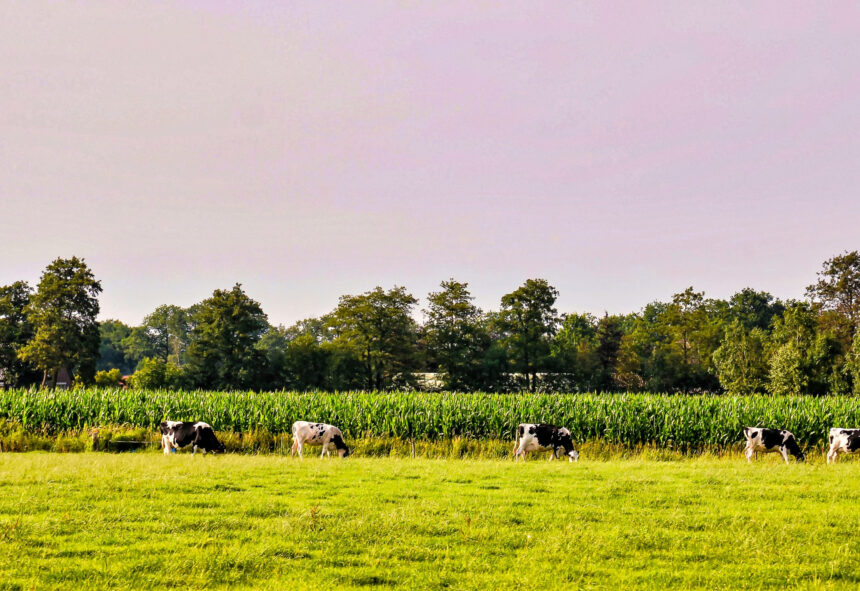
Agroforestry is a sustainable farming practice that combines trees, crops, and livestock on the same piece of land, creating a productive and environmentally friendly system. On a 10-hectare farm, this approach allows farmers to diversify income streams, improve soil fertility, and enhance biodiversity while supporting food security. By strategically planning the placement of trees, crop rotations, and livestock grazing areas, farmers can maximize productivity and make the land more resilient to climate fluctuations. Trees provide shade and wind protection, reduce soil erosion, and contribute organic matter through fallen leaves. Fruit and nut trees also offer additional income opportunities while supporting pollinators and local wildlife.
Livestock is an integral part of agroforestry systems, providing manure for natural fertilization and helping manage undergrowth. Small ruminants such as goats and sheep can graze under tree canopies without harming crops, while poultry can assist in pest control and soil enrichment. Rotational grazing practices are essential to maintain healthy pastures and prevent overgrazing. Livestock integration also creates multiple income streams from meat, milk, and eggs, which reduces financial risk for the farmer. Proper management ensures that animals contribute to the farm ecosystem without depleting natural resources.
Crop selection and layout play a critical role in maximizing productivity on a 10-hectare farm. Intercropping short-cycle vegetables or legumes between tree rows optimizes space and increases soil nitrogen levels, reducing the need for chemical fertilizers. Leguminous crops in particular fix nitrogen in the soil, improving fertility for future planting seasons. Staggered planting schedules help maintain continuous harvests throughout the year, ensuring a steady income. Careful planning of crop placement minimizes competition for sunlight, water, and nutrients, enhancing overall farm efficiency.
Implementing agroforestry requires strategic planning, investment, and constant monitoring to ensure sustainability. Farmers must choose tree species suitable for the local climate and soil conditions while selecting livestock breeds that thrive in mixed farming environments. Efficient irrigation systems and integrated pest management are necessary to maintain high yields and reduce losses. Agroforestry also strengthens the farm’s resilience to climate change, as trees provide shade and wind protection, while diversified crops reduce dependency on a single income source. With proper management, the system can transform a modest 10-hectare plot into a highly productive and environmentally sustainable farm.
Agroforestry on a 10-hectare farm demonstrates the benefits of integrating trees, crops, and livestock into a single, efficient system. This approach enhances soil fertility, supports biodiversity, and reduces the farm’s environmental impact. Farmers gain access to multiple revenue streams from timber, fruit, vegetables, and livestock products, making the farm economically resilient. The combination of natural resource management and diversified production creates long-term sustainability for both smallholder and medium-scale farmers. By adopting agroforestry practices, farmers can maximize land use, improve rural livelihoods, and establish a model for modern, sustainable agriculture.
Join 'Farmers Mag' WhatsApp Channel
Get the latest Farming news and tips delivered straight to your WhatsApp
CLICK HERE TO JOIN