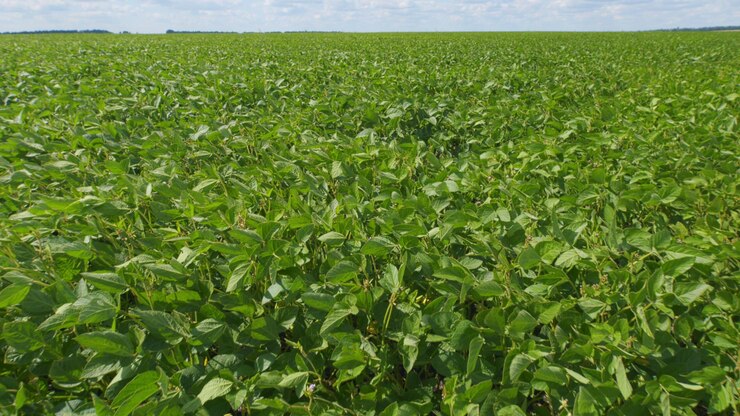
Cover cropping is a proven strategy to improve soil health, manage weeds, reduce erosion, and increase crop productivity. On South Africa’s Highveld, where rainfall varies and soils can be prone to nutrient depletion, cover crops play a key role in building resilience and sustaining farm yields. This guide explains what to plant and the best times to establish cover crops in the Highveld region.
Why Cover Crops Matter on the Highveld
The Highveld experiences summer rainfall and dry winters, with soils ranging from clay to sandy loam. Cover crops help:
- Fix nitrogen and improve soil fertility.
- Reduce water and wind erosion during off-seasons.
- Suppress weeds and break pest and disease cycles.
- Increase organic matter, improving soil structure and moisture retention.
Best Cover Crops for the Highveld
Different cover crops offer unique benefits:
- Legumes: Cowpeas, lupins, and vetch fix nitrogen and improve soil fertility. They are ideal before planting nutrient-demanding crops like maize or vegetables.
- Grasses: Ryegrass, oats, and forage maize provide biomass, prevent erosion, and suppress weeds.
- Brassicas: Mustard and forage radish help break compacted soils and control nematodes.
- Mixed Crops: Combining legumes with grasses maximises soil improvement and ground cover.
Timing for Planting Cover Crops
Timing depends on rainfall and crop rotation schedules:
- Summer cover crops: Plant legumes or grasses after early summer rains, usually in October to November. These grow quickly and protect soil during the wet season.
- Winter cover crops: Oats, ryegrass, and vetch can be planted in April to May to maintain ground cover, improve soil structure, and reduce erosion over the dry months.
- Avoid planting cover crops immediately after harvesting frost-sensitive summer crops unless irrigation or protective measures are in place.
Planting and Management Tips
- Prepare the soil lightly to ensure good seed-to-soil contact.
- Adjust seeding rates based on crop type; legumes generally need lower density than grasses.
- Monitor moisture levels, especially during dry spells, to ensure germination.
- Terminate cover crops at least two weeks before planting the next cash crop to prevent competition for nutrients and moisture.
Benefits Beyond Soil Health
Cover crops also contribute to long-term farm productivity:
- Attract pollinators and beneficial insects.
- Reduce the need for chemical fertilisers and herbicides.
- Build organic matter that improves water infiltration and retention.
- Support sustainable crop rotations that increase resilience to pests and climate variability.
For Highveld farmers, cover cropping is a strategic investment in soil fertility, erosion control, and long-term crop productivity. Choosing the right species and planting at the optimal time ensures maximum benefits. By integrating cover crops into crop rotations, farmers can protect their soils, enhance yields, and promote sustainable farming practices that strengthen resilience against climate and market pressures.
Join 'Farmers Mag' WhatsApp Channel
Get the latest Farming news and tips delivered straight to your WhatsApp
CLICK HERE TO JOIN