

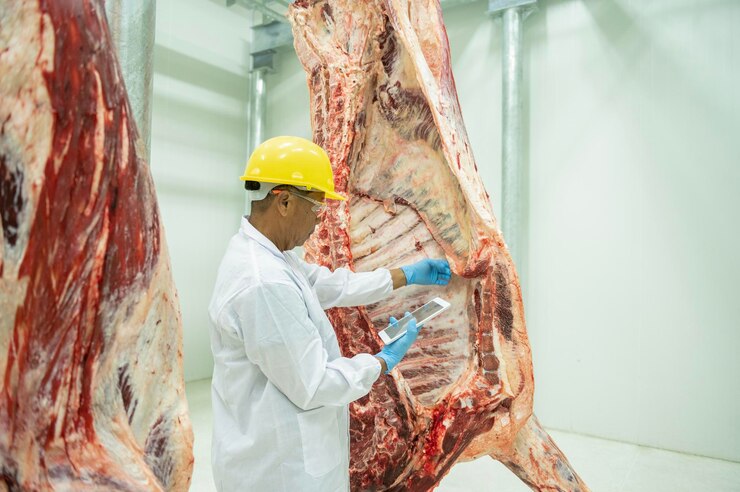
The University of Pretoria has launched a major research initiative aimed at reducing the economic damage caused by foot-and-mouth disease in South Africa’s red meat industry. The project is a collaboration between the University of Pretoria, Red Meat Industry Services and animal health company Zoetis. It focuses on the impact of foot-and-mouth disease virus persistence in slaughtered cattle. This issue continues to cost the industry millions each year through wastage, restricted market access and outdated slaughter regulations. The research seeks practical, science-based solutions that protect value across the red meat supply chain.
The study is titled Evidence-based risk reduction for FMD virus persistence at slaughter. Its main objective is to generate scientific evidence that can support changes to current slaughter regulations applied to cattle that have recovered from FMD. These rules often impose blanket restrictions that no longer reflect current scientific knowledge. As a result, large volumes of meat, particularly offal and other by-products, are destroyed unnecessarily. This creates financial strain for farmers, feedlots, abattoirs and processors.
The research is led by Professor Armanda Bastos from the Department of Veterinary Tropical Diseases at the University of Pretoria’s Faculty of Veterinary Science. She is also the Director of the Hans Hoheisen Research Centre in the Kruger National Park. Professor Bastos said the project demonstrates what can be achieved when different sectors combine expertise and resources. She noted that the collaboration allows for faster and more effective responses to regulatory challenges linked to South African Territories type FMD outbreaks.
The project is structured into several phases. Phase 1A will determine whether deboning is still required 15 days after diagnosis and will quantify how common carrier animals are at that stage. Phase 1B will identify virus persistence sites in heads, glands and offal. This information will guide safer trade practices and inform policy revision. Phase 2 will focus on developing a serological test that can distinguish carrier animals from fully recovered ones. This is a key step toward future pen-side screening tests. Phase 3 will assess how different vaccines influence virus clearance in cattle.
For farmers, the potential benefits are significant. Revised regulations based on this research could reduce unnecessary carcass and offal losses after outbreaks. This may improve farm gate prices by restoring value currently lost due to compulsory disposal. Clearer, evidence-based rules could also shorten movement restrictions, helping farmers move animals to feedlots or abattoirs sooner. Over time, this could improve cash flow and reduce the financial shock that often follows an FMD outbreak.
The study is one of several projects developed in response to the RMIS Field to Future framework. This industry-driven process identifies real challenges faced by farmers, feedlots, abattoirs and other role players. RMIS Chief Executive Officer Dewald Olivier described the project as one of the most important research investments the organisation will make. He said foot-and-mouth disease continues to drain value from the industry each year because regulations have not kept pace with science. According to Olivier, the research aims to protect livelihoods across the entire red meat value chain.
Zoetis is supporting the project as part of its commitment to the sustainability of the livestock sector. Dr Ralf J Patzelt, Business Unit Director for Livestock at Zoetis, said the company is dedicated to science-based solutions that reduce wastage and strengthen regulatory confidence. He noted that FMD poses a serious threat to trade credibility and rural livelihoods. Investing in evidence-based risk management, he said, is essential for long-term resilience and growth in South Africa’s red meat industry.
By addressing foot-and-mouth disease virus persistence with solid scientific data, the research has the potential to reshape how recovered cattle are managed at slaughter. The findings could lead to more balanced regulations that maintain biosecurity while reducing unnecessary losses. For farmers and the wider industry, the project represents an important step toward improved stability, profitability and confidence in the future of red meat production.
Join 'Farmers Mag' WhatsApp Channel
Get the latest Farming news and tips delivered straight to your WhatsApp
CLICK HERE TO JOIN




