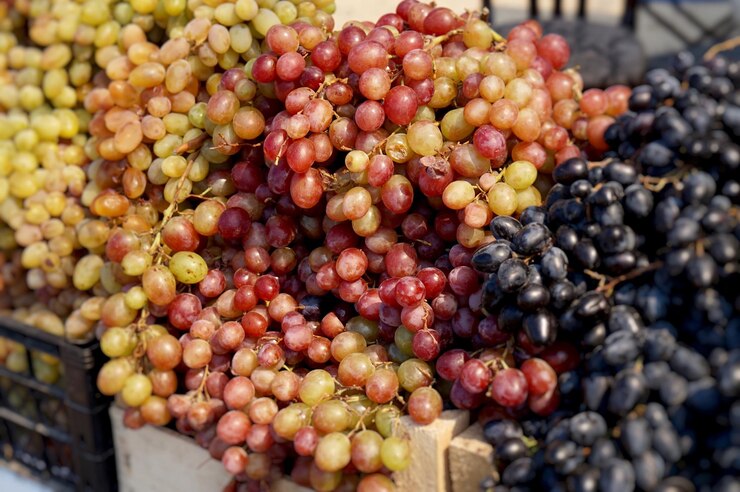
Grapes are one of South Africa’s most important fruit crops. The country produces over 1.9 million tonnes each year, mainly in the Western Cape and Northern Cape. Fresh table grape prices fluctuate and surplus fruit often goes to waste. Turning grapes into gourmet sauces and syrups helps you extend shelf life, reduce losses and earn higher margins. These products suit small scale farmers and commercial producers.
Why Grapes Are Ideal for Value Added Products
Grapes have natural sugars, strong flavour and high acidity. These qualities support preservation and reduce the need for additives. Fresh grapes last days or weeks. Sauces and syrups can last six to twelve months when sealed correctly. One kilogram of fresh grapes may sell for R5 to R12 at farm gate. The same grapes can generate R30 to R60 when processed and sold as specialty products.
Choosing the Right Grapes
You do not need premium export grapes. Slightly soft or uneven fruit works well if it is clean and free from rot. Red and black grapes produce deeper colour and richer flavour. Green grapes give lighter syrups with higher acidity. Seedless varieties simplify processing but seeded grapes also work if strained well.
Making Gourmet Grape Sauces
Grape sauces pair well with meat, cheese and roasted vegetables. They appeal to restaurants and speciality shops.
Basic grape reduction sauce is simple to produce. Crush grapes and cook them slowly to release juice. Strain out skins and seeds. Return the liquid to heat and reduce until thick. Add salt, vinegar and herbs such as rosemary or thyme. Bottle while hot.
Sweet and savoury grape sauces sell well. You can combine grapes with onions, garlic and spices to create sauces for lamb or chicken. These products stand out at farm stalls and food markets.
Consistency matters. Aim for a pourable but rich texture. Test small batches before scaling up.
Producing Grape Syrups
Grape syrup is versatile. Consumers use it on pancakes, yoghurt, desserts and drinks.
To make syrup, simmer crushed grapes until soft. Strain the juice and return it to the pot. Add sugar if needed, usually 10 to 20 percent by volume. Reduce slowly until the liquid coats a spoon. Avoid high heat to protect flavour.
You can also make spiced grape syrup. Add cinnamon, ginger or cloves during cooking. This increases perceived value and allows premium pricing.
Hot fill syrups into sterilised bottles and seal immediately. Properly sealed syrup can last up to one year.
Food Safety and Legal Compliance
Food safety is essential. Work surfaces must be clean and washable. Use potable water at all stages. Maintain strict hygiene during processing and bottling.
Products sold commercially must follow South African labelling laws. Labels must list ingredients, allergens, net weight and best before date. Acidified products like grape sauces need correct pH control to ensure safety.
Many local municipalities offer shared kitchens and food safety training. These services help you start legally at lower cost.
Equipment You Need
You can start small. Basic equipment includes stainless steel pots, knives, cutting boards, a stove, thermometer and strainer. Bottles and jars must handle heat. As demand grows, invest in a pulper, refractometer for sugar levels and a pasteuriser. Second hand equipment reduces start up costs.
Marketing and Selling Your Products
Direct sales bring higher margins. Farm stalls, food markets and wine route shops work well. Presentation matters. Use clear bottles and professional labels. Highlight local grapes and small batch production.
Restaurants and delis value consistency. Start with small orders and build trust. Online sales and direct messaging platforms help you reach urban customers.
Turning grapes into gourmet sauces and syrups gives South African farmers control over pricing and reduces waste. You do not need perfect fruit or large capital to begin. With simple recipes, good hygiene and smart branding, grapes become more than a fresh market crop. Value addition turns surplus harvest into a reliable income stream.
Join 'Farmers Mag' WhatsApp Channel
Get the latest Farming news and tips delivered straight to your WhatsApp
CLICK HERE TO JOIN