

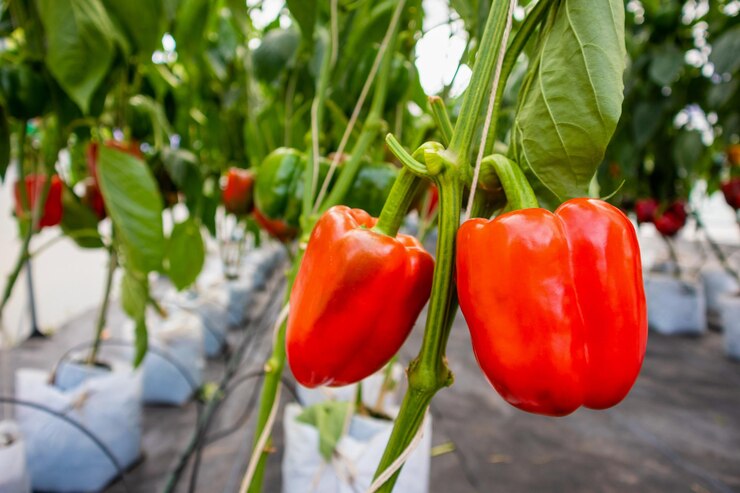
Bell peppers are a high value crop in South Africa, widely grown in Limpopo, Mpumalanga, and the Western Cape. Fresh peppers have short shelf life and market prices fluctuate during peak harvest. Processing bell peppers into sauces, powders, and snacks helps farmers reduce waste, extend shelf life, and earn higher margins. These products suit small scale growers and commercial producers.
Why Value Addition Works for Bell Peppers
Fresh bell peppers last only one to two weeks under normal storage. Processing can extend shelf life from months to over a year depending on the product. Sauces and powders command higher prices. One kilogram of fresh bell peppers may sell for R8 to R15 at farm gate. The same quantity can generate R40 to R70 when processed into value added products. Processed products also diversify income streams and open access to urban markets.
Selecting the Right Bell Peppers
You do not need export quality peppers. Slightly irregular or larger peppers are suitable if free from rot or mould. Red, yellow, and orange peppers have higher sugar content and better colour for sauces and powders. Green peppers produce milder flavours suitable for sauces and snacks. Freshness and firm texture ensure better final products.
Making Bell Pepper Sauces
Bell pepper sauces are popular for local markets, restaurants, and food stalls.
Basic sauce requires peppers, oil, garlic, onions, vinegar, and salt. Roast or sauté the peppers, then blend with other ingredients. Simmer the mixture until it thickens and develops flavour. Bottle hot in sterilised containers. Sauces can be sweet, savoury, or spicy depending on added ingredients like chili, herbs, or spices.
Peppers combined with tomatoes, onions, or garlic create versatile condiments. Properly prepared sauces last six to twelve months when sealed and stored correctly.
Producing Bell Pepper Powders
Bell pepper powder is a growing product for seasoning blends, soups, and sauces.
Start by washing and slicing fresh peppers. Dry them in a dehydrator or oven at low temperature until fully dry. Grind the dried peppers into a fine powder. Sift to remove coarse pieces. Pack in airtight containers to preserve colour and aroma.
Powders from red and yellow peppers have higher visual appeal. Green pepper powders work for mild seasoning. Combining powders with herbs or chili creates premium products.
Creating Bell Pepper Snacks
Bell peppers can also become healthy snacks. Options include roasted chips or dried pepper crisps.
Slice peppers thinly, lightly coat with oil and seasoning, and bake or air fry until crisp. Store in airtight packaging. Snacks are ideal for local markets, supermarkets, and school or office snack packs.
Food Safety and Compliance
Food safety is critical. Work in clean areas, use potable water, and maintain strict hygiene. Avoid cross contamination.
Processed products for retail must comply with South African labelling laws. Labels should include ingredients, allergens, net weight, and expiry date. Acidified products like sauces require correct pH to ensure safety. Municipalities often provide shared kitchens and training for small scale processors.
Equipment Needed
Basic equipment includes knives, cutting boards, stainless steel pots, blenders, ovens or dehydrators, and bottles or jars. For powders, invest in grinders and sifters. Air fryers or ovens are sufficient for snack production. As production grows, consider pasteurisers, pulpers, and packaging machines. Second hand equipment reduces start up costs.
Marketing and Selling Bell Pepper Products
Direct sales give better margins. Farm stalls, local markets, and food festivals work well. Professional packaging and clear labels attract consumers. Highlight local, natural ingredients and small batch production.
Restaurants, delis, and speciality shops value consistent supply. Start small, deliver high quality, and expand. Online sales and WhatsApp orders are effective in urban areas.
Processing bell peppers into sauces, powders, and snacks allows South African farmers to reduce post-harvest losses and increase revenue. Simple recipes, basic equipment, and careful hygiene are sufficient to start. With smart marketing and consistent quality, bell peppers can become a year-round income source rather than a seasonal crop. Value addition turns surplus harvest into a profitable business opportunity.
Join 'Farmers Mag' WhatsApp Channel
Get the latest Farming news and tips delivered straight to your WhatsApp
CLICK HERE TO JOIN




