

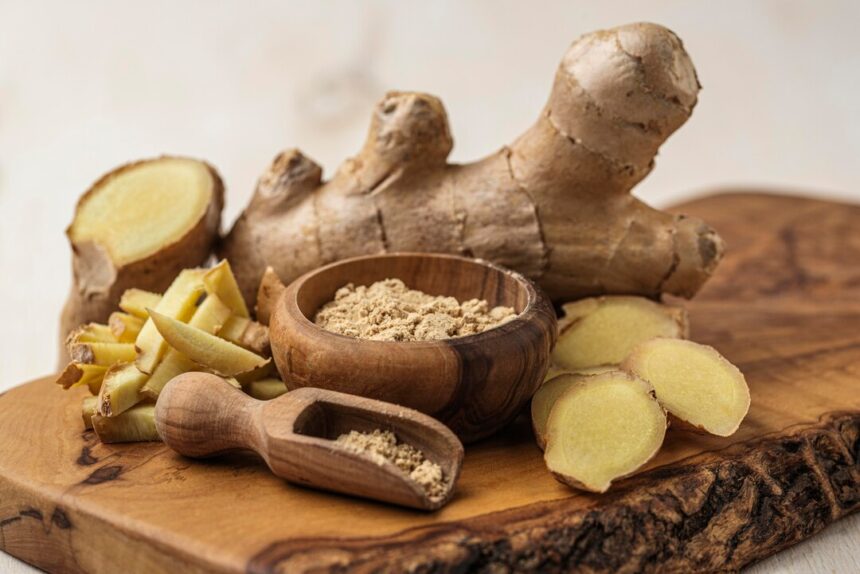
Ginger is a versatile crop with high market potential for South African farmers. Beyond fresh sales, ginger can be processed into value-added products such as juices and powdered forms, creating opportunities to increase revenue and reach new markets. With proper cultivation, processing, and marketing, farmers can maximize the economic potential of this high-demand root.
Selecting the right ginger varieties is the first step. Varieties with high pungency, good rhizome size, and disease resistance perform best in South African soils. Farmers should also focus on proper land preparation, irrigation, and pest management to ensure high yields. Post-harvest handling, including careful washing and drying, is essential to maintain quality for processing.
Processing ginger into powder involves cleaning, slicing, drying, and milling the rhizomes into fine powder. Powdered ginger can be used in culinary applications, baked goods, beverages, spice mixes, and health supplements. Ensuring consistent particle size and low moisture content extends shelf life and enhances product quality, making it suitable for both domestic and export markets.
Ginger juice is another value-added product. Fresh rhizomes can be crushed or blended to produce juice, which can be bottled or used in beverages, sauces, or health tonics. Juices can be combined with other ingredients such as lemon, turmeric, or honey to create functional drinks. Pasteurization or cold-pressing techniques help maintain flavor and nutritional properties while ensuring safety and longer shelf life.
Packaging plays a critical role in consumer appeal. Powdered ginger can be sold in resealable pouches or jars, while juices are typically packaged in glass bottles or hygienic pouches. Clear labeling, including nutritional benefits and usage instructions, builds trust and attracts health-conscious buyers. Branding products as natural, additive-free, and locally sourced can further enhance market value.
Collaboration with co-operatives, processors, or packaging companies helps farmers access the necessary equipment and distribution channels. Direct-to-consumer sales via farmers’ markets, specialty stores, and online platforms also allow small-scale producers to reach niche markets.
Marketing strategies should emphasize ginger’s health benefits. Known for its anti-inflammatory, digestive, and immune-boosting properties, ginger appeals to wellness-focused consumers. Positioning powdered ginger as a spice and functional ingredient, and ginger juice as a convenient, natural health drink, can increase demand. Export opportunities exist for both products, particularly in markets that value premium, natural, and functional foods.
Adding value through ginger powder and juice increases revenue per kilogram of rhizome, reduces post-harvest losses, and strengthens farm profitability. By investing in quality cultivation, careful processing, and strategic marketing, South African farmers can transform ginger from a raw commodity into high-value products that meet growing consumer demand.
Turning ginger into juices and powder enables farmers to expand their market reach, generate higher returns, and contribute to the growth of South Africa’s value-added agri-food sector.
Join 'Farmers Mag' WhatsApp Channel
Get the latest Farming news and tips delivered straight to your WhatsApp
CLICK HERE TO JOIN




