

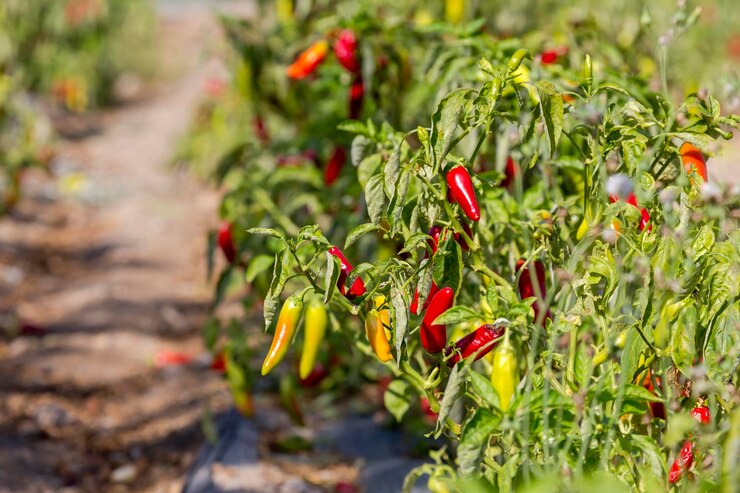
Chillies grow well in many parts of South Africa. They tolerate heat, handle water stress better than many crops and offer strong returns per hectare when managed well. For farmers, the real opportunity lies beyond selling fresh produce. Value addition through sauces and snacks can multiply income, reduce losses and open access to formal markets.
Why chillies make sense for value addition
Fresh chillies have a short shelf life. Prices fluctuate. Losses increase when markets are saturated. Processing solves these problems. Dried chillies, sauces and chilli-based snacks last longer, travel further and sell at higher margins. A kilogram of fresh chillies sold at the farm gate may bring limited returns. The same kilogram processed into sauce or dried product can earn several times more. South Africa also has a strong consumer base for chilli products. Peri-peri, chilli sauces and spicy snacks are staples across income groups. Demand comes from households, restaurants, fast food chains and export buyers.
Choosing the right chilli varieties
Not all chillies work equally well for processing. Farmers should select varieties based on heat level, colour, flesh thickness and yield.
Common options include:
Bird’s eye chilli for hot sauces and dried products.
Cayenne for powders and sauces.
Jalapeño for mild sauces and pickled products.
Habanero for premium high-heat sauces.
Uniformity matters. Consistent size, colour and heat improve processing efficiency and product quality.
Turning chillies into sauces
Chilli sauce production can start at small scale and grow over time. Basic ingredients include chillies, vinegar, salt, water and optional garlic or spices. Farmers can begin with simple formulations and refine recipes based on market feedback.
Key steps include washing and sorting chillies, blending or cooking, fermentation or boiling depending on recipe, bottling and proper sealing. Hygiene is critical. Clean water, sanitised equipment and correct storage protect product safety and shelf life.
Farmers must comply with food safety regulations. Registration with local authorities, basic labelling and expiry dates are essential for formal sales. Partnering with small agro-processing hubs or community kitchens can reduce startup costs.
Drying chillies for powders and snacks
Drying is one of the easiest entry points into processing. Chillies can be sun-dried, solar-dried or mechanically dried. Proper drying prevents mould and preserves colour and heat.
Dried chillies can be sold whole, crushed or milled into powder. Chilli powder has strong demand from households, butcheries and spice blenders. Packaging in small affordable units improves sales in informal markets.
Chilli snacks are another option. Dried chilli strips, chilli-coated peanuts or spicy maize snacks appeal to younger consumers. These products require additional ingredients but offer higher margins.
Equipment and cost control
Farmers do not need expensive machinery to start. Small blenders, drying racks, gas stoves and basic bottling tools are sufficient at entry level. As demand grows, upgrading to solar dryers, hammer mills and semi-automatic fillers improves consistency and volume.
Cost control is essential. Using seconds or surplus chillies for processing reduces waste. Bulk purchasing of bottles and packaging lowers unit costs. Cooperative models allow farmers to share equipment and access bigger markets.
Markets and branding
Successful chilli products need clear branding. Simple labels, consistent flavour and reliable supply build trust. Local markets, roadside stalls, spaza shops and farmers markets are good starting points.
Formal buyers require consistency and compliance. Restaurants want stable heat levels. Retailers want barcodes, nutrition information and shelf life data. Export markets demand strict quality control but offer strong returns for premium sauces and dried chillies.
Linking production to demand
Farmers should plan production with processing in mind. Staggered planting ensures steady supply. Contracts with buyers reduce risk. Trial batches help test the market before scaling.
Support is available. Provincial departments of agriculture, small business agencies and agro-processing programmes offer training, equipment support and market access.
Chillies offer more than a fresh crop income. With the right varieties, simple processing and market focus, farmers can turn chillies into sauces and snacks that build stable businesses. Value addition keeps more money on the farm, creates jobs and strengthens local food systems across South Africa.
Join 'Farmers Mag' WhatsApp Channel
Get the latest Farming news and tips delivered straight to your WhatsApp
CLICK HERE TO JOIN




