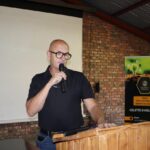
The Agricultural Research Council Plant Health and Protection and Tropical and Subtropical Crops worked with the National Department of Agriculture, the KwaZulu Natal Department of Agriculture, and the Bhethani community in Ray Nkonyane Municipality to run a focused farmer workshop in KwaZulu Natal. The session addressed the rising incidence of Banana bunchy top virus in the province. The virus continues to threaten production in smallholder and commercial farms. Many farmers have already reported visible losses in affected blocks.
The organisers designed the workshop to give farmers clear information on how the virus spreads and how to respond. You learned how infected banana plants show stunted growth and tight leaf formation. You also learned that infected plants do not recover. The only effective action is early detection and removal. This guidance helps you limit losses and avoid further spread.
The training placed strong attention on vector control. The banana aphid acts as the main carrier of the virus. The experts explained how regular scouting, targeted chemical control, and clean planting material lower the risk of infection. You also received practical examples of how other regions reduced infection levels through strict field hygiene and routine monitoring.
Another part of the workshop focused on biosecurity. The team outlined measures that protect farms from pests and diseases. You were advised to control movement of planting material, tools, and vehicles. You were encouraged to clean equipment before entering or leaving a field. These practices reduce the chance of carrying the virus from one farm to another. The session also covered livestock movement, water source protection, and proper waste handling. These steps improve overall farm resilience.
The community of Bhethani played a strong role in hosting and participating. Farmers shared their experiences with the virus and asked technical questions about plant removal, field sanitation, and replanting. The training team used these questions to give direct guidance. You left with specific actions you can apply immediately. These include mapping infected zones, removing suspect plants, buying certified clean planting material, and reporting unusual symptoms early.
The organisers emphasised that coordinated action across the district will give the best results. The virus spreads quickly when farmers act alone. Shared reporting, joint surveillance, and consistent follow up help protect the wider community.
This workshop built a foundation for stronger disease management in KwaZulu Natal. It gave you practical knowledge to limit Banana bunchy top virus and protect long term production. It also strengthened understanding of simple biosecurity steps that reduce threats from plant and animal pests. The session prepared you to act with confidence, respond early, and maintain healthier farms in the region.
Join 'Farmers Mag' WhatsApp Channel
Get the latest Farming news and tips delivered straight to your WhatsApp
CLICK HERE TO JOIN