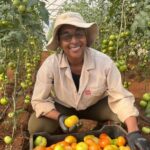
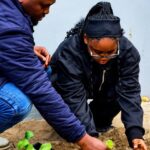
AbitzFarming sits just outside Malmesbury. The farm is owned and run by Angelo Marman and his business partner Herman Jnr Bailey. Their work shows how committed producers can improve food security and build stronger rural economies.
Marman’s interest in agriculture began in childhood when he helped tend his family’s vegetable garden. After matriculating he earned a diploma in agriculture from the Cape Peninsula University of Technology and later joined the Perishable Products Export Control Board. He enjoyed the work but wanted hands-on farming. That led him to start producing tilapia and vegetables on a rented plot in Abbotsdale. He named the operation Vyf Vissies en ’n Blaartjie. The sales from his first five tilapia allowed him to expand and train new farmers in aquaponics and vegetable production.

Just over a year ago he bought an 8ha farm near Chatsworth. He gained new markets and now supplies clients such as Metro Organics and Real Fresh. He also coordinates supply with other producers in the region so small farmers can meet demand and access reliable buyers.
Bailey focuses on the broader mission. He believes that if people grow more food the nation will have enough to feed everyone. He says the country has vast land that can produce more crops if cultivated with care. His message is simple. Grow more. Plant enough. Strengthen food production so communities do not go hungry.

AbitzFarming uses systems that rely on healthy soil and natural plant partnerships. Legumes boost nitrogen. Stinging nettles enrich the soil. Roots are left to decompose after harvesting to improve organic matter. Deep-rooted crops like radishes loosen compact soil. Flowering plants attract bees, butterflies, wasps and ladybirds. Marigolds draw beneficial insects and repel pests. Some vegetables are left to flower and seed to produce the next generation of seedlings and support pollination.

Herbs such as rosemary and garlic help control pests. Natural vegetation in selected areas acts as trap crops. These patches lure problem insects away from main beds and create habitats for helpful organisms.
The fields are planted densely to limit weed growth. Crops are paired so they do not compete for nutrients. Radishes fill open gaps. Sawdust mulch and nettles further reduce weeds. Weeding can cost thousands each month for organic growers so the farm uses creative solutions to control costs.
Free-range pigs help clean land before planting and reduce waste. Waste from pigs and layers is turned into compost along with other farm materials. Compost heaps are built directly in the vegetable lands. This makes application simple once the material has matured.
Shade planting is used where needed. Lettuce and mustard can protect tomato seedlings until they are established. Coriander can shade small cabbages. These systems increase crop success without raising input costs.
Marman says the key is matching plants that support one another. Some crops work well together. Tomatoes perform well with basil, garlic chives and legumes. Others do not. Tomatoes struggle near Brassicas because they compete for the same nutrients. They also should not be planted with potatoes, aubergines or peppers because they share pests and diseases. Fennel remains difficult because it releases compounds that slow the growth of nearby plants.
Training remains a priority for the farm. Marman participates in the Social Employment Fund programme where job seekers work for seven days each month while gaining practical farming skills. Many move on to full employment or start their own food gardens. The programme also helps identify talent for the farm.
AbitzFarming aims to show that small and medium farms can grow food at scale and create jobs. The team believes every hectare should contribute to feeding local communities. Their system blends practical knowledge, simple tools and consistent planting to increase output.
Bailey often repeats that more land must be cultivated to feed the nation. Marman adds structure by showing how soil, plants and livestock can work together to build productive fields. Together they run a farm that produces food, trains people and strengthens the agricultural network of the Swartland.
Join 'Farmers Mag' WhatsApp Channel
Get the latest Farming news and tips delivered straight to your WhatsApp
CLICK HERE TO JOIN