

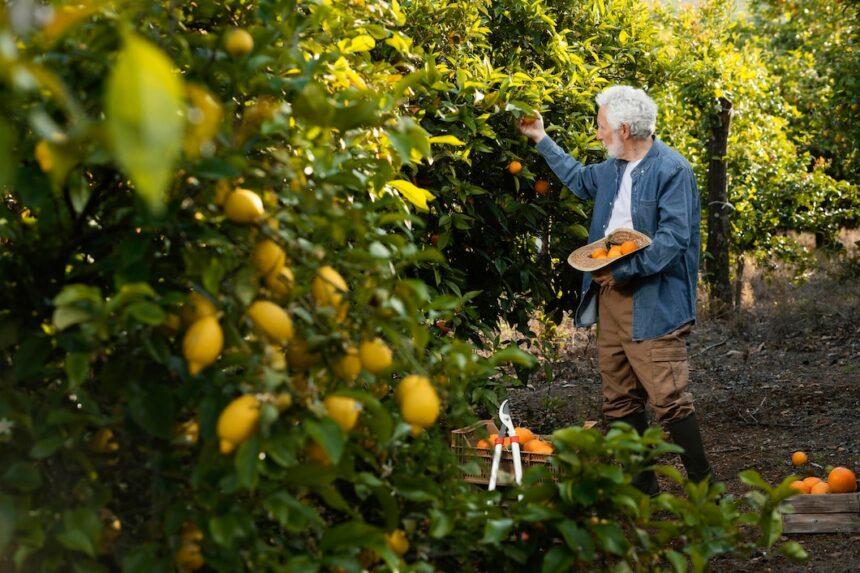
South Africa’s citrus sector continues to show resilience and growth despite global trade challenges, according to Dr Boitshoko Ntshabele, CEO of the Citrus Growers’ Association (CGA). With record exports and a strong strategic framework in place, the industry is positioning itself as a driver of economic growth, job creation, and transformation.
Record-Breaking Export Season
The 2025 season marked a historic milestone for South African citrus growers, with over R200 million cartons packed for international markets, a 22% increase from the previous year. Ntshabele attributes the success to favourable weather, improved logistics, and the expansion of new orchards. “The bumper season highlights the sector’s potential to drive exports and create jobs across the value chain,” he said.
Despite the success, the industry continues to face challenges. Rising input costs and trade barriers, such as the 30% tariff imposed by the United States, remain a concern. While the tariff had limited impact in the 2025 season due to late implementation and expedited shipments, Ntshabele warned of potential effects in 2026. “A mutually beneficial trade deal between the United States and South Africa must be finalized urgently to secure long-term market access,” he said.
Market Access and the GRO Strategy
At a recent Agbiz roundtable, Ntshabele outlined the “Gain, Retain, and Optimise” (GRO) strategy, which aims to expand market access while safeguarding existing relationships:
- Gain: Enter new markets using science-based protocols.
- Retain: Maintain existing markets through compliance, sustainability, and quality assurance.
- Optimise: Improve export protocols through research, innovation, and development.
He emphasized that trust, respect, and safety are essential for successful collaboration between industry and government, ensuring that the sector remains competitive and sustainable.
Driving Transformation, Inclusion, and Growth
The citrus industry is central to South Africa’s Vision 260 initiative, which aims to export 260 million 15kg cartons by 2032. This ambitious target could create up to 100,000 additional jobs. Ntshabele noted that “behind every carton of citrus shipped are communities that depend on this industry for livelihoods, education, and social stability.”
Citrus Research International (CRI), one of the world’s leading agricultural research institutions, supports the sector with cutting-edge insights in plant pathology, entomology, and pre- and post-harvest management. Ntshabele highlighted that citrus growers are not merely exporters of fruit but also exporters of knowledge, sustainability, and shared prosperity.
South Africa’s Export Landscape
Wolfe Braude, Agbiz fruit desk manager, outlined the diversified export markets for South African fruit: 36% to the European Union, 17% to Asia, 15% to the Middle East, 13% to the United Kingdom, 7% to the USA, and 5% to Africa. Agricultural exports are nearly twice the value of iron ore exports and surpass chromium, steel, and machinery exports, underscoring the sector’s economic importance.
Regulation and Integrated Pest Management
A panel discussion highlighted the responsible use of agricultural remedies, noting that local produce quality is equal or superior to exported fruit due to shorter cold chains. South Africa represents only 1.5% of the global crop protection market, making it a low-profit area for international chemical companies. Disinvestment by global firms could leave farmers dependent on outdated compounds and threaten international trade.
South Africa’s climate, diverse soils, and pest challenges necessitate tailored solutions. While biological alternatives can complement chemical controls, they are often species-specific. The panel recommended well-designed integrated pest management (IPM) strategies combining chemical, biological, and cultural practices. Recent legislation (Act 36 of 1947, amended 2023) prioritizes low-risk remedies, aligns local regulations with international standards, and enhances consumer safety.
A Vision for the Future
The combined achievements of record exports and strategic market access highlight the resilience and global competitiveness of South Africa’s citrus industry. With collaboration, research, innovation, and trade negotiations, the sector is well-positioned to sustain growth, empower communities, and strengthen its global presence.
Ntshabele concluded, “The citrus industry demonstrates what is possible when science, people, and purpose come together. By securing markets, investing in innovation, and supporting transformation, we can ensure a prosperous and resilient future for the industry and the communities it sustains.”
This integrated approach — balancing immediate export success with long-term strategic planning — sets South Africa’s citrus sector apart as a model of sustainable growth, job creation, and global competitiveness.
Join 'Farmers Mag' WhatsApp Channel
Get the latest Farming news and tips delivered straight to your WhatsApp
CLICK HERE TO JOIN




