

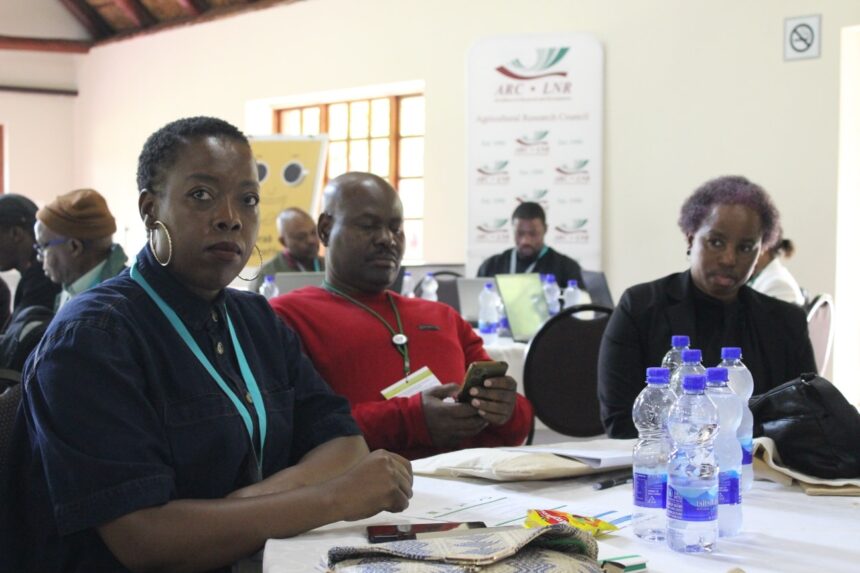
A stakeholder engagement and validation workshop took place at The Blades Hotel in Pretoria. Delegates from Zambia and Eswatini joined South African representatives to advance regional efforts that support Climate Smart Agriculture and Natural Resource Management within the Southern African Development Community.
The session focused on building skills, improving systems and supporting long term sustainability in the region. Participants reviewed current training models and identified areas where practical improvements can support farmers and institutions. The goal was to create a stronger regional approach that helps countries respond to changing climate conditions and protect natural resources.
Delegates discussed regional training frameworks for Climate Smart Agriculture. They examined how farmers can adopt practices that improve soil health, increase water efficiency and reduce production risks. The workshop also highlighted the need for better data use and stronger extension services to help farmers apply these methods on the ground.
Natural Resource Management formed a core part of the discussions. Partners explored ways to reduce land degradation and improve resource use through coordinated actions across borders. This includes shared tools, training material and technical support that can be used by member states.
The engagement created an opportunity for Zambia and Eswatini to share their experiences. Both countries outlined current progress and gaps that limit the rollout of sustainable agricultural innovations. Their inputs strengthened the collective plan for future training and capacity building.
Participants agreed that stronger regional cooperation is necessary to improve resilience across SADC. They noted that climate pressures are increasing and require coordinated responses that reach farmers, extension officers and policymakers. The workshop helped align partners on the next steps for improving training delivery and system support.
The session closed with a commitment to expand collaboration and ensure that regional training models remain practical and accessible. The outcomes are expected to guide future programmes that help SADC countries build resilient food systems and strengthen natural resource management.
Join 'Farmers Mag' WhatsApp Channel
Get the latest Farming news and tips delivered straight to your WhatsApp
CLICK HERE TO JOIN




