

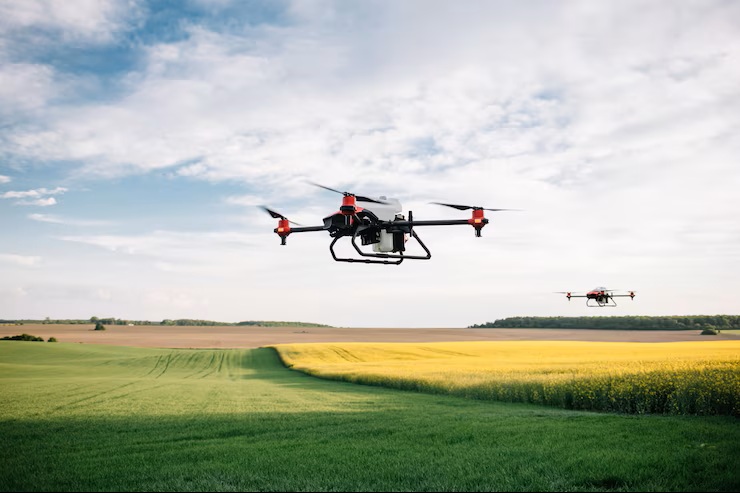
Precision agriculture is changing the way farms operate worldwide. By using technology to monitor crops, soil, and livestock, farmers can make more informed decisions, increase yields, and reduce waste. But for the average South African farmer, the question remains: is precision agriculture practical and cost-effective?
Precision agriculture relies on tools like GPS-guided tractors, drones, soil sensors, and satellite imagery. These technologies allow farmers to track crop health, water use, and soil conditions in real time. In commercial operations, this can lead to higher productivity, lower input costs, and better environmental management.
For smallholder or emerging farmers in South Africa, adoption can be challenging. High upfront costs for equipment and software, limited access to reliable internet, and the need for technical knowledge are key barriers. Many farmers also operate on fragmented land, which can make full-scale precision systems less effective.
Despite these challenges, some solutions are becoming accessible. Mobile apps for soil testing, low-cost drones, and affordable GPS devices allow farmers to implement precision practices on a smaller scale. Cooperative farming models, where groups of farmers share equipment and data, can also reduce costs while increasing access to technology.
The benefits of precision agriculture include improved efficiency, better pest and disease management, reduced chemical use, and optimized irrigation. These advantages can be particularly valuable in South Africa, where water scarcity and climate variability pose significant risks to crop production.
Government support and private sector initiatives are also helping. Training programs, subsidies, and technology demonstrations are being rolled out to help farmers adopt precision practices gradually. By starting small and scaling up, the average farmer can integrate technology without overextending resources.
Precision agriculture is viable for South African farmers if implemented strategically. It requires balancing costs, technical capacity, and farm size. With targeted support and innovative approaches, farmers of all scales can benefit from technology-driven farming while improving productivity, sustainability, and resilience against climate and market pressures.
Join 'Farmers Mag' WhatsApp Channel
Get the latest Farming news and tips delivered straight to your WhatsApp
CLICK HERE TO JOIN




