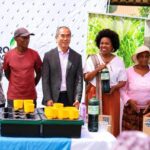
The Minister of Agriculture, John Steenhuisen, has approved the inclusion of indigenous crops and medicinal plants on the list of declared agricultural products. This decision formally recognises a high-potential sector estimated to contribute approximately R12 billion annually to the South African economy. The approval, granted on 21 July 2025, follows a request from a group directly affected in the agricultural industry.
Under the Marketing of Agricultural Products Act, 1996 (Act No. 47 of 1996), only declared agricultural products are subject to legislation that regulates marketing, levies, and industry growth. With this recognition, indigenous crops and medicinal plants are now formally treated as agricultural products, opening the sector to regulatory oversight and potential development support.
The National Agricultural Marketing Council estimates that medicinal plants and indigenous crops together contribute less than 3% of South Africa’s total agricultural production. Of this, medicinal plants account for approximately R3 billion, while indigenous crops represent roughly R9 billion. Minister Steenhuisen said the declaration brings dignity and recognition to those who harvest and trade these products, creating a clear pathway for economic growth. He emphasised that modernising legislation is essential to adopt new technologies, remedies, and practices that can improve yield, health, and profitability.
Indigenous crops include grains, fruits, and vegetables that are either native to South Africa or naturalised over time. Examples of grain crops include cereals like millet and pulses such as Bambara groundnut. Indigenous fruits include marula, wild apricot, wild plum, raisin bush, and sour plum. Indigenous vegetables are divided into roots or tubers, such as cassava, amadumbe, marama bean, and living potato, and leafy vegetables like cleome, cowpea, amaranth, blackjack, and jews mallow.
South Africa also hosts a rich selection of medicinal plants. Examples include Buchu (Agathosma betulina), used for urinary tract infections; Hoodia (Hoodia gordonii), historically used as an appetite suppressant; Sutherlandia (Lessertia frutescens) for immune support; Devil’s Claw (Harpagophytum procumbens) for joint pain; Aloe vera for skin and digestive health; African Wormwood (Artemisia afra) for respiratory and digestive ailments; African Potato (Hypoxis hemerocallidea) for immune support; Hooded Pelargonium (Pelargonium sidoides) for respiratory infections; and Wilde Als (Artemisia afra) for digestive disorders.
The legislative recognition provides a gateway for industry growth. Representative bodies of these newly declared products can apply for statutory measures, such as levies, records, and registrations, under the MAP Act. Once approved, these measures allow industry groups to collect funds, provide support services, and implement initiatives to grow the sector, create jobs, and strengthen the economic impact of indigenous crops and medicinal plants.
Minister Steenhuisen noted that the declaration aligns with the department’s priorities to modernise regulatory frameworks, improve market access, and unlock economic potential. By integrating indigenous crops and medicinal plants into the formal agricultural sector, South Africa takes a significant step toward promoting sustainable growth, job creation, and recognition of traditional agricultural knowledge.
Join 'Farmers Mag' WhatsApp Channel
Get the latest Farming news and tips delivered straight to your WhatsApp
CLICK HERE TO JOIN