

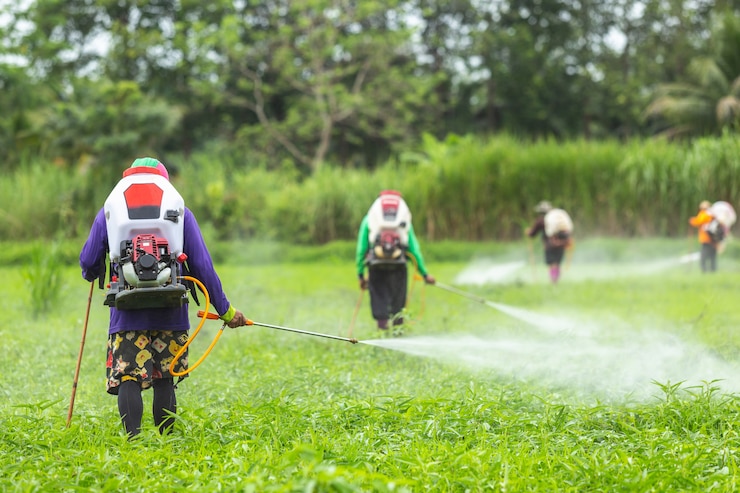
South African farmers are increasingly seeking alternatives to glyphosate, one of the most widely used herbicides, due to environmental concerns, regulatory scrutiny, and growing public awareness of chemical residues. Effective weed management remains critical for crop yield and quality, but adopting non-glyphosate solutions can protect both farm productivity and sustainability.
Several herbicide options are available as alternatives. Paraquat is a contact herbicide effective against a wide range of broadleaf and grass weeds. It works quickly but requires careful handling due to its toxicity. Farmers must follow recommended safety protocols and protective measures when using paraquat.
Acetochlor and metolachlor are pre-emergence herbicides widely used in maize and soybean production. These chemicals control annual grasses and small-seeded broadleaf weeds before they emerge, reducing competition with crops. They offer long-lasting residual control but must be applied correctly to avoid crop injury.
Pelargonic acid and acetic acid-based herbicides provide organic or low-toxicity options for small-scale and home gardens. These contact herbicides burn existing weeds without leaving long-term soil residues. They are ideal for areas where soil health and environmental safety are priorities, though repeated applications may be necessary for persistent weeds.
Integrated Weed Management (IWM) remains essential when reducing reliance on glyphosate. This approach combines mechanical control, crop rotation, cover crops, and targeted herbicide use. By rotating herbicides with different modes of action, farmers can reduce the risk of resistant weeds while maintaining effective control.
Farmers are also encouraged to implement cultural practices, such as mulching, timely planting, and optimizing row spacing, to suppress weed growth naturally. Combining chemical and non-chemical methods ensures sustainable weed management, lowers production costs over time, and improves soil health.
Adopting glyphosate alternatives requires careful planning, knowledge of weed biology, and precise application techniques. Training and guidance from extension services or agrochemical experts can help farmers select the right product and timing for their crops.
South African farmers transitioning from glyphosate can maintain productivity and environmental stewardship by using alternative herbicides and integrating non-chemical practices. These strategies support sustainable agriculture while protecting both farm livelihoods and surrounding ecosystems.
Join 'Farmers Mag' WhatsApp Channel
Get the latest Farming news and tips delivered straight to your WhatsApp
CLICK HERE TO JOIN




