

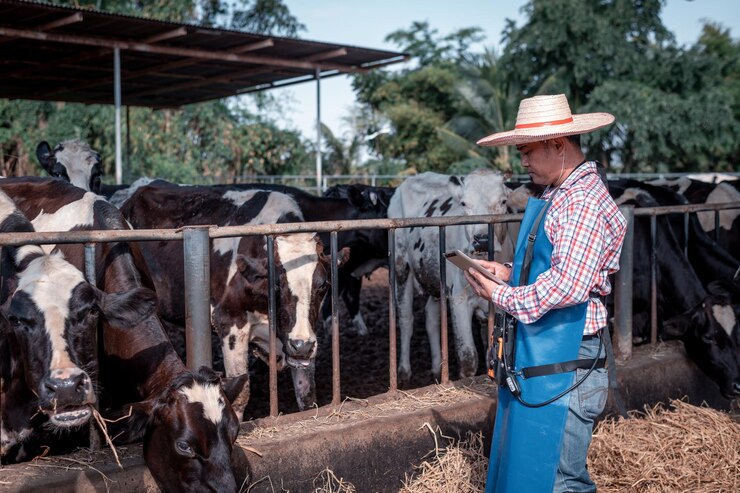
Farming in South Africa involves many risks, from droughts and floods to pests, diseases, and accidents. Comprehensive farm insurance safeguards your assets and provides peace of mind. Understanding crop, livestock, and liability insurance is essential for both smallholder and commercial farmers.
Crop Insurance
Crop insurance protects your harvest against natural disasters, pests, and plant diseases. Coverage in South Africa includes maize, wheat, vegetables, fruit, and other high-value crops. Policies typically cover yield loss due to drought, hail, frost, and flooding.
When selecting crop insurance, consider:
- The crop type and seasonal risks in your region.
- Historical yield data to determine coverage levels.
- Policy exclusions, such as fire or negligence.
- Premium costs relative to potential harvest value.
Some policies offer index-based coverage, which pays out based on measurable events like rainfall or temperature, reducing disputes over claims. Accurate records of planting dates, inputs, and expected yield are often required.
Livestock Insurance
Livestock insurance protects against financial losses caused by death, injury, theft, or disease. Coverage can include cattle, sheep, goats, poultry, and pigs. In South Africa, where outbreaks like Foot-and-Mouth Disease (FMD) and African Swine Fever occur, livestock insurance is crucial.
Key considerations include:
- Keeping detailed records of herd numbers, breed, age, and health.
- Maintaining vaccination and veterinary histories.
- Selecting coverage options for natural disasters, theft, accidental death, and disease.
- Understanding premium costs per animal or herd value.
Liability Insurance
Liability insurance covers claims resulting from accidents, property damage, or injuries to workers, visitors, or neighbours. Farms face risks such as equipment accidents, vehicle incidents, and public liability issues.
Liability coverage typically includes:
- Public liability for visitors and customers.
- Employers’ liability for farm worker injuries.
- Product liability for crops, livestock, or produce sold to consumers.
Assess farm operations, visitor traffic, and staff numbers when choosing a liability policy. Combining liability with crop and livestock insurance provides complete protection.
Tips for Insuring Your Farm
- Assess Risks: Identify vulnerabilities, including climate, pests, diseases, and labour hazards.
- Keep Records: Maintain accurate documentation of crops, livestock, inputs, and operations.
- Compare Policies: Obtain multiple quotes and compare coverage limits, exclusions, and premiums.
- Use Experienced Brokers: Agricultural insurance brokers understand local risks and can tailor coverage.
- Review Annually: Adjust policies based on farm size, production value, or emerging risks.
Benefits of Farm Insurance
- Provides financial security against unexpected losses.
- Improves access to credit and loans.
- Offers peace of mind, allowing focus on productivity.
- Supports long-term sustainability and risk management.
Farm insurance is essential for protecting your livelihood in South Africa. Coverage for crops, livestock, and liabilities ensures unexpected events do not threaten your farm’s future. By selecting appropriate policies, keeping detailed records, and assessing risks, farmers can safeguard their assets, maintain income stability, and secure long-term sustainability.
Investing in farm insurance is not just precautionary—it is a critical strategy for successful and resilient farming operations.
Join 'Farmers Mag' WhatsApp Channel
Get the latest Farming news and tips delivered straight to your WhatsApp
CLICK HERE TO JOIN




