

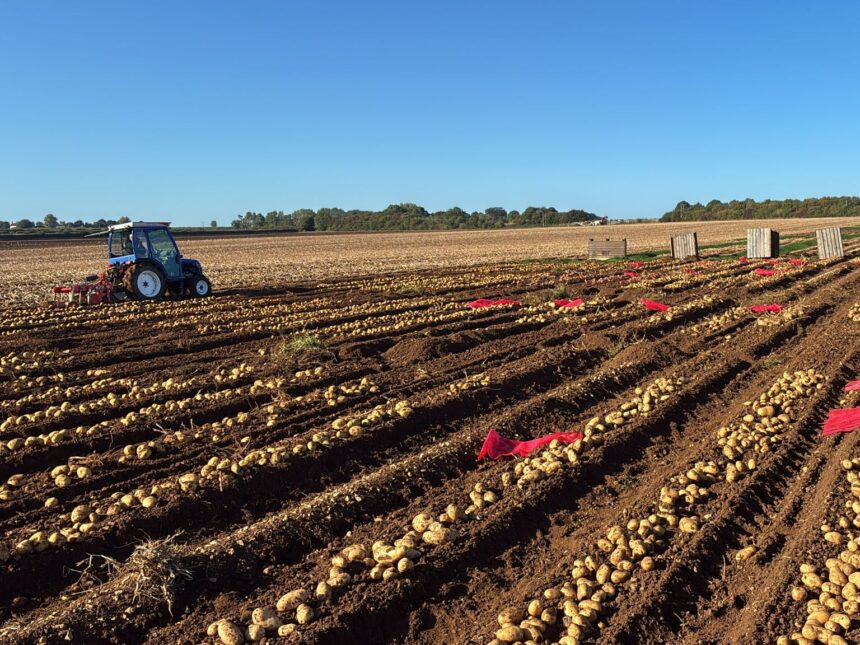
Potatoes are more than just a staple vegetable crop. With the right approach, farmers in South Africa can turn them into high-value processed products like chips, fries, and ready-to-cook meals. This transformation increases income, reduces waste, and taps into growing local and regional demand.
The Case for Processing Potatoes
South Africa produces around 2.5 million tonnes of potatoes annually, yet only a portion goes into processing. The processed-potato market is growing, and the local processing industry is projected to grow at about 7 percent per year. Despite high local production, the country still imports frozen fries, in part because of capacity constraints and lack of optimal processing varieties. Farmers who process their potatoes can capture more value, support local food security, and contribute to economic growth.
Key Challenges for Farmers
Before processing, it is important to understand the challenges. Not all potato varieties are suitable for fries or chips. Power cuts can disrupt processing capacity. Farmers must supply potatoes that meet size, shape, and internal composition standards. Many processors work on contract farming, but small farmers may struggle to enter these arrangements. Imported frozen fries can also undercut local production unless tariffs apply.
Pathways to Value Addition
Contract Farming for Processing
Farmers can partner with large processors, such as French-fry companies and crisp manufacturers. Multi-year contracts provide guaranteed demand, helping with planting, sorting, and harvesting. Quality parameters, such as size, dry matter, and defects, should be agreed upon to minimize rejection.
Building or Accessing Processing Facilities
- Chipping (Crisps)
Clean and wash potatoes. Slice using a chip slicer. Blanch slices to remove surface starch, then dry. Fry or dehydrate depending on the type of chip. Season and package. - French Fries / Frozen Fries
Wash and peel. Cut into fry shapes. Blanch in hot water to gelatinize starch. Cool rapidly. Partially fry or par-fry. Drain oil, freeze using IQF (individually quick frozen) method, then pack. - Ready-to-Cook Potato Meals
Use processed or partially processed potato. Combine with other ingredients such as vegetables, sauces, or proteins. Package in consumer units. Use modified atmosphere packaging to extend shelf life.
Quality and Safety
Implement good agricultural practices to minimize bruising and disease. Use quality control to test dry matter, sugar content, and storage characteristics. Cold storage from farm to factory reduces spoilage and ensures quality.
Financing and Scale
Cooperative models allow small farmers to pool resources for shared processing facilities. Government or NGO grants and loans can support agri-processing. Advance payments or input financing from processors can ease capital requirements.
Market Channels
Local retail includes supermarkets, fast-food outlets, and small retailers. Neighboring African markets import processed potatoes. Food service outlets like restaurants and hotels provide consistent demand. Ready-to-cook meals target the growing convenience food market.
Advantages for Farmers
Processed products like chips and fries command higher prices than raw potatoes. Tubers that might be downgraded for fresh markets can go into processing, reducing waste. Processing plants create local employment. Controlling processing reduces exposure to fresh-produce price volatility. Anti-dumping duties on imports help protect local processors.
Risks and Mitigation
Power cuts can be mitigated with backup generators or solar power. Variety mismatch can be addressed by sourcing processing-suitable varieties. Quality rejection can be reduced by training staff in sorting, storing, and handling. Capital constraints can be overcome through cooperative funding, grants, or contract-farming advances. Market risk can be reduced by diversifying products beyond fries to include chips and ready meals.
Case Example
Fifty potato farmers in Limpopo pool 200 hectares and sign a three-year contract with a local processor who par-fries and freezes fries. Farmers invest in basic washing and sorting infrastructure. They deliver in weekly bulk loads via coordinated logistics. The processor pays a premium for consistent-quality tubers. Over three years, farmers capture 15–20 percent more revenue per ton versus selling raw potatoes.
Policy and Support
Farmers can leverage industry bodies to connect with processors. Local and provincial agricultural development funds can support agri-processing. Stable trade policies and protection from imports help ensure a level playing field. Partnering with research institutions can provide access to processing-suitable potato varieties.
Processing potatoes into chips, fries, and ready-to-cook meals provides a path to higher income and stronger market position for South African farmers. With contracts, infrastructure, and market access, farmers can transform raw potatoes into high-value, in-demand products, achieving better margins, reduced waste, and more resilient production.
Join 'Farmers Mag' WhatsApp Channel
Get the latest Farming news and tips delivered straight to your WhatsApp
CLICK HERE TO JOIN




