

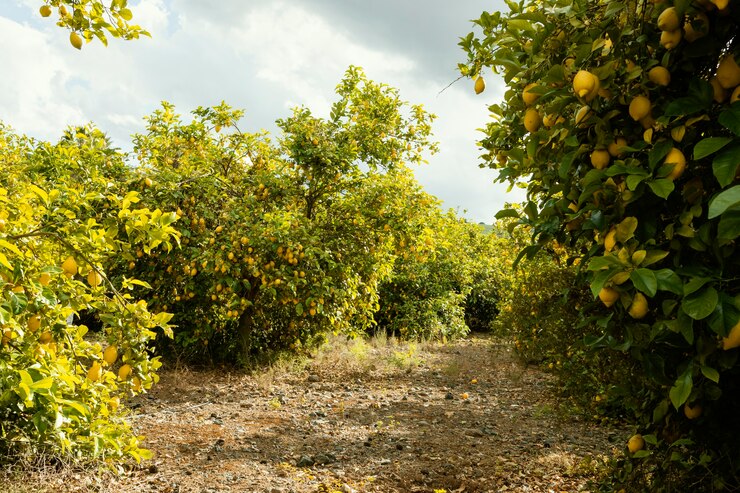
Lemons are a versatile crop with strong market demand across South Africa. Beyond fresh fruit sales, farmers can increase profitability by processing lemons into value-added products such as juices, preserves, and natural cleaning solutions. This approach extends shelf life, diversifies income streams, and opens new market opportunities.
Lemon juice production is the most common way to add value. Fresh lemons can be washed, peeled if necessary, and mechanically pressed to extract juice. Farmers should consider pasteurisation to extend shelf life while retaining flavour and nutritional content. Packaging in glass bottles or food-grade plastic containers can attract both retail and wholesale buyers. Lemon juice can also be sold as concentrates to beverage companies or used in small-scale juice businesses targeting local markets and catering services.
Preserves and marmalades offer another profitable avenue. Farmers can combine lemon juice, zest, and pulp with sugar to create jams or marmalades. Proper cooking and bottling under sterilised conditions prevent spoilage and allow products to be stored for months. These preserves can be marketed at farmers’ markets, grocery stores, and online platforms, where consumers increasingly seek natural, artisanal products. Offering unique flavours, such as lemon-ginger or lemon-honey combinations, can help products stand out.
Lemons are also effective in natural cleaning products. Their high citric acid content provides antibacterial properties and natural deodorising capabilities. Farmers can create liquid cleaners, surface sprays, and kitchen degreasers by mixing lemon juice with water, vinegar, or baking soda. These products appeal to environmentally conscious consumers looking for chemical-free alternatives. Packaging in reusable or recyclable bottles further enhances marketability.
Farmers looking to scale operations should invest in simple processing equipment such as fruit presses, juicers, and bottling machines. Maintaining proper hygiene and following food safety standards is essential, particularly for consumable products. Labeling with ingredients, production date, and storage instructions builds consumer trust and supports compliance with South African regulations.
Marketing strategies are also critical. Farmers can promote products through local markets, co-operatives, and digital platforms. Collaborating with restaurants, cafés, and retailers provides stable demand for juices and preserves. For cleaning products, targeting eco-friendly stores and online marketplaces can help reach niche buyers.
By transforming lemons into juices, preserves, and cleaning products, South African farmers can increase revenue, reduce post-harvest losses, and diversify their product portfolio. This value-add approach strengthens resilience against market fluctuations and creates opportunities for small-scale producers to compete in local and regional markets.
Join 'Farmers Mag' WhatsApp Channel
Get the latest Farming news and tips delivered straight to your WhatsApp
CLICK HERE TO JOIN




