

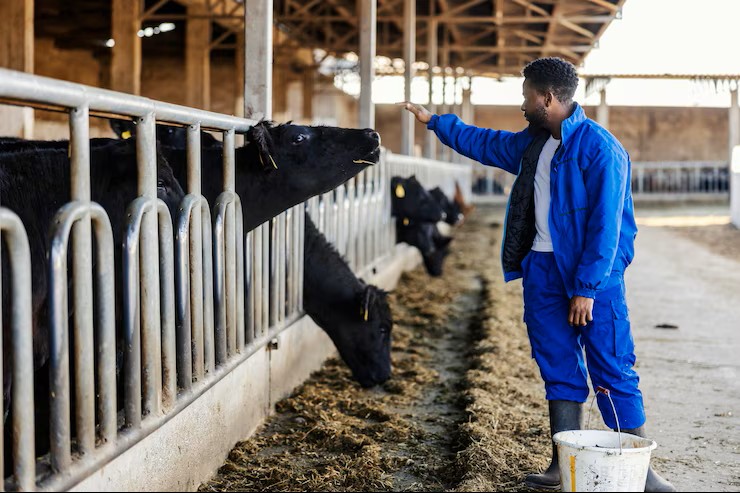
Starting a farm in South Africa can be rewarding, but new farmers often face challenges that reduce productivity and profitability. Recognising common mistakes and addressing them early can improve success rates.
1. Inadequate Planning
Many new farmers start operations without a detailed business plan. This can lead to poor financial management and unclear production goals. To avoid this, farmers should develop a comprehensive plan outlining budgets, cash flow, market targets, and risk management strategies.
2. Poor Soil Management
Ignoring soil quality is a frequent error. Without proper soil testing and fertility management, crops may underperform. Farmers should conduct regular soil tests, apply correct fertilizers, and use crop rotation to maintain soil health.
3. Overlooking Market Research
Some new farmers focus on what they want to grow rather than what the market demands. Conducting market research ensures crops or livestock meet consumer needs. Identify buyers, understand pricing trends, and plan production accordingly.
4. Underestimating Costs
Many underestimate input costs, transport, equipment, and labour. This can lead to financial strain. Accurate budgeting and including contingency funds for unexpected expenses are essential for sustainability.
5. Poor Record-Keeping
Failure to maintain production, financial, and inventory records limits decision-making and access to funding. Farmers should implement simple record-keeping systems to track expenses, sales, and farm performance.
6. Ignoring Animal and Crop Health
Disease outbreaks can devastate farms. New livestock farmers often neglect vaccination and parasite control, while crop farmers may overlook pest and disease management. Regular monitoring, preventive measures, and timely interventions reduce losses.
7. Lack of Networking and Support
Farming can be isolating. Many new farmers avoid joining cooperatives, attending workshops, or seeking mentorship. Networking provides access to technical advice, markets, and shared resources.
8. Overexpansion
Expanding too quickly without sufficient capital, skills, or infrastructure can lead to operational failure. Start small, master production processes, and scale up gradually.
9. Neglecting Technology and Innovation
Many new farmers rely on outdated methods. Adopting modern irrigation, mechanization, and digital farm management tools can increase efficiency, reduce costs, and improve yields.
Avoiding these mistakes requires planning, education, and consistent effort. By preparing properly, monitoring farm performance, and seeking guidance from experienced producers or agricultural organisations, new farmers in South Africa can build profitable and sustainable operations.
Join 'Farmers Mag' WhatsApp Channel
Get the latest Farming news and tips delivered straight to your WhatsApp
CLICK HERE TO JOIN




