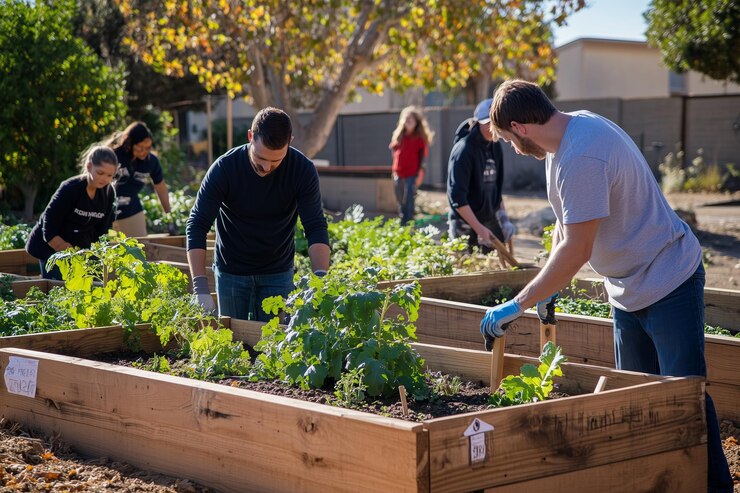
Community gardens have become a vital part of urban life in South Africa. They provide fresh produce, promote sustainable living, and strengthen social ties in cities like Johannesburg, Cape Town, Durban, and Pretoria. These gardens offer residents opportunities to grow vegetables, herbs, and fruits while improving food security and encouraging environmental stewardship.
Benefits of Community Gardens
Community gardens offer multiple advantages. They provide access to fresh, affordable produce, which can help reduce household food costs. They promote healthy lifestyles by encouraging physical activity through planting, watering, and harvesting. Gardens also support environmental awareness by teaching composting, water conservation, and organic farming techniques. Socially, they create spaces where residents share knowledge, skills, and resources, fostering a sense of community.
Community Gardens in Major Cities
In Johannesburg, community gardens are often run by non-profit organisations and local municipalities. Projects like the Soweto Community Garden Network help residents grow vegetables and sell surplus produce at local markets. Cape Town has initiatives such as the Philippi Horticultural Area and City Farm projects, which focus on urban agriculture, youth development, and sustainable food production. Durban hosts the Durban Food and Nutrition Security Forum, which supports neighbourhood gardens to tackle malnutrition and unemployment. Pretoria has several city-led and community-driven gardens, including the Mamelodi and Soshanguve initiatives, where residents grow crops collectively and share skills.
Starting and Maintaining a Community Garden
Starting a community garden requires careful planning. Identify suitable land, secure permission or partnership with local authorities, and consider soil quality and water access. Organising a group of committed members ensures shared responsibilities for planting, maintenance, and harvesting. Select crops that are suitable for local climates and growing seasons. Implement sustainable practices such as rainwater harvesting, composting, and organic pest control to maintain soil health and productivity.
Engaging the Community
Successful gardens depend on active participation. Encourage workshops, training sessions, and educational programs to teach residents about gardening, nutrition, and small-scale business opportunities. Involving schools, youth groups, and local businesses can provide additional resources and expand the impact of the garden.
Community gardens in South African cities play a crucial role in improving food security, promoting sustainability, and building stronger neighbourhoods. By providing access to fresh produce, fostering social connections, and teaching valuable agricultural skills, these gardens empower urban residents to take control of their food sources. For cities across the country, investing in community gardening initiatives is a practical and impactful way to support healthier, more resilient communities.
Join 'Farmers Mag' WhatsApp Channel
Get the latest Farming news and tips delivered straight to your WhatsApp
CLICK HERE TO JOIN