

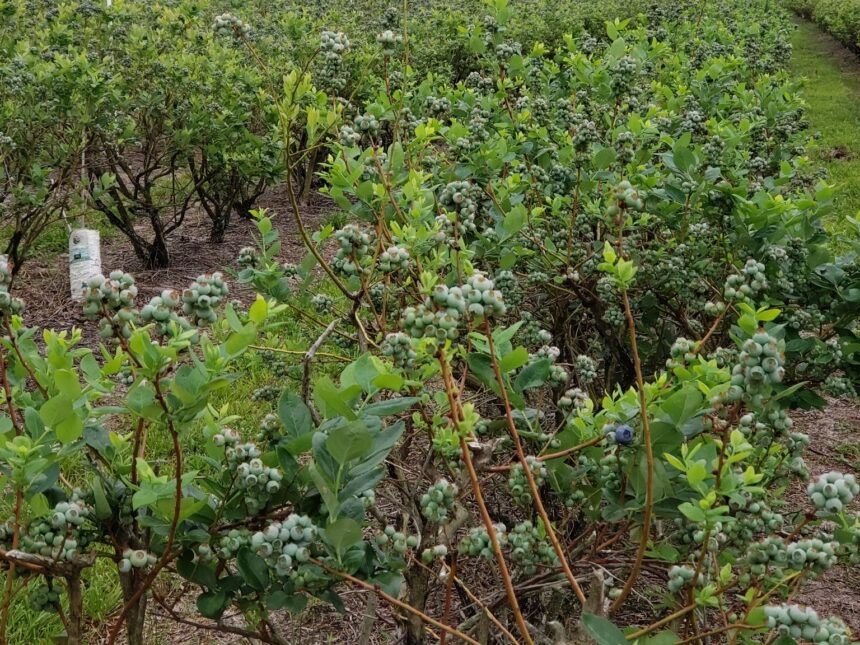
Blueberry cultivation in the Western Cape offers high-profit potential due to increasing local and export demand. The region’s Fynbos soil and Mediterranean climate are suitable for blueberries if growers carefully manage soil conditions, irrigation, and plant selection. Success requires planning, market knowledge, and consistent farm management.
Soil Requirements
Fynbos soil is naturally acidic and nutrient-poor, which aligns well with blueberry needs. Blueberries require a pH of 4.5 to 5.5 and well-drained sandy or loamy soil. Test soil before planting and apply amendments as needed. Incorporating organic matter, such as composted bark or pine needles, improves soil structure and water retention. Avoid soils with high lime content, as alkalinity reduces nutrient availability and plant growth.
Selecting the Right Variety
Choose blueberry cultivars suited for Western Cape conditions. Southern Highbush and Rabbiteye varieties perform well. Southern Highbush types are suitable for moderate temperatures and produce early-season fruit, while Rabbiteye varieties are hardy, high-yielding, and adapt to warmer conditions. Select certified disease-free seedlings from reputable nurseries to reduce the risk of pests and diseases.
Planting and Spacing
Plant blueberries in spring or early autumn. Maintain spacing of 1.2 to 1.5 meters between plants and 2 to 2.5 meters between rows. This allows adequate sunlight, air circulation, and machinery access for maintenance and harvesting. Dig holes larger than the root ball and incorporate organic matter into the planting mix. Mulch with bark or pine needles to conserve moisture, suppress weeds, and maintain soil acidity.
Irrigation and Water Management
Blueberries have shallow root systems and require consistent moisture. Drip irrigation is ideal for precise water delivery and efficient use. Avoid overwatering, as waterlogged soil causes root rot. During flowering and fruit development, maintain even soil moisture to ensure high-quality fruit. Rainwater harvesting or small dams can supplement irrigation in dry months.
Nutrient Management
Fynbos soils are low in nitrogen, phosphorus, and potassium. Use fertilizers formulated for acid-loving plants, applied in split doses during the growing season. Foliar sprays of micronutrients such as iron and magnesium can prevent deficiencies. Avoid over-fertilization, which can harm roots and reduce fruit quality. Regular soil and leaf analysis helps guide precise nutrient management.
Pruning and Maintenance
Prune blueberry plants annually during winter to remove old, weak, or diseased branches. This stimulates new growth and improves sunlight penetration for fruiting wood. Weed control is crucial to reduce competition for nutrients and water. Organic mulches and manual weeding are preferable to chemicals to maintain soil health and avoid contamination of berries.
Pest and Disease Control
Blueberries are susceptible to fungal diseases, aphids, mites, and thrips. Early monitoring is essential. Use integrated pest management (IPM) strategies, combining cultural practices, resistant varieties, and safe chemical sprays when necessary. Bird netting protects ripening fruit from predation, which is a common issue in the Western Cape.
Harvesting and Marketing
Blueberries typically ripen from late spring to summer. Harvest by hand when berries are fully colored and firm. Use ventilated crates to prevent damage during collection. Local markets, supermarkets, and export opportunities offer profitable avenues. Selling directly to consumers at farmers’ markets or through online platforms can also increase margins.
Business Considerations
Blueberry farming requires initial investment in plants, irrigation, and soil amendments. Yields increase over three to five years, so growers should plan finances accordingly. Keeping records of production, inputs, and market prices helps optimize operations and maximize profitability.
Growing blueberries in Western Cape Fynbos soil can be highly profitable when soil, water, nutrition, and pest management are carefully managed. With proper planning, maintenance, and market strategy, blueberry farms can produce high-quality fruit that meets growing local and international demand.
Join 'Farmers Mag' WhatsApp Channel
Get the latest Farming news and tips delivered straight to your WhatsApp
CLICK HERE TO JOIN




