

South African agriculture faces increasing pressure from climate change. Rising temperatures, unpredictable rainfall, and extreme weather events are affecting crop yields, livestock productivity, and overall food security. Understanding these changes and implementing adaptive strategies is critical for farmers to sustain production and protect livelihoods.
Climate Change Predictions
According to the South African Weather Service and recent climate studies, the country can expect the following trends:
- Temperature Increases: Average temperatures are projected to rise across most regions, with more frequent heatwaves, especially in the interior and northern provinces. Extreme heat can reduce crop growth, increase evaporation, and stress livestock.
- Rainfall Variability: Summer rainfall areas may experience erratic rainfall patterns, with some regions receiving below-average rainfall while others face intense downpours. The Southern Cape and parts of the Western Cape are at risk of prolonged droughts.
- Extreme Events: Floods, storms, and droughts are likely to become more frequent, causing soil erosion, crop losses, and infrastructure damage.
- Pest and Disease Pressure: Warmer temperatures and changing humidity levels can increase the prevalence of pests and diseases, affecting both crops and livestock.
Impacts on Agriculture
The changing climate affects different sectors in various ways:
- Crop Production: Maize, wheat, and vegetables are sensitive to temperature extremes and irregular rainfall. Droughts reduce soil moisture, affecting germination and yields, while heavy rains can damage crops and delay planting.
- Livestock: Heat stress reduces fertility, milk production, and growth rates. Pasture quality declines during droughts, increasing the need for supplemental feed.
- Water Resources: Dams and rivers may experience fluctuating levels, affecting irrigation reliability and overall water availability for farming operations.
Adaptation Strategies
Farmers can take practical steps to mitigate the effects of climate change:
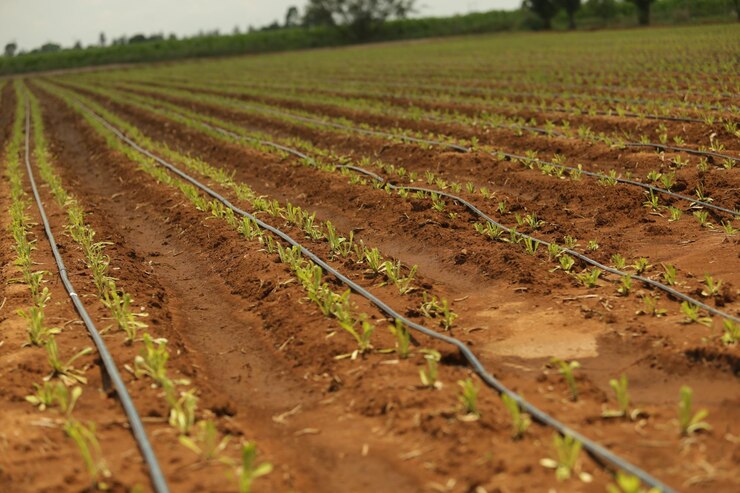
- Water Management: Implement efficient irrigation systems such as drip irrigation and rainwater harvesting. Mulching and cover crops can reduce soil evaporation.
- Crop Selection: Choose drought-tolerant and heat-resilient varieties. Diversify crops to spread risk and maintain productivity under variable conditions.
- Soil Health: Practice conservation agriculture, including minimum tillage, crop rotation, and organic fertilisation, to improve soil moisture retention and fertility.
- Livestock Management: Adjust stocking rates to match carrying capacity, provide shade and water, and supply additional feed during dry periods.
- Early Warning Systems: Monitor weather forecasts, climate outlooks, and pest alerts to make timely management decisions.
- Infrastructure Improvements: Build firebreaks, strengthen storage facilities, and protect critical equipment to reduce losses from extreme weather.
Policy and Collaboration
Government support and collaboration with agricultural research institutions are crucial. Programs that provide climate-smart training, access to resilient seed varieties, and financial assistance for adaptive infrastructure help farmers prepare for changing conditions.
Climate change presents significant challenges for South African agriculture, but proactive adaptation can reduce risks and sustain production. By adopting climate-smart practices, improving water and soil management, and making informed decisions based on reliable forecasts, farmers can protect their livelihoods, enhance food security, and build resilience against future climate impacts. Sustainable agriculture in South Africa will depend on innovation, collaboration, and a willingness to embrace change.
Join 'Farmers Mag' WhatsApp Channel
Get the latest Farming news and tips delivered straight to your WhatsApp
CLICK HERE TO JOIN




