

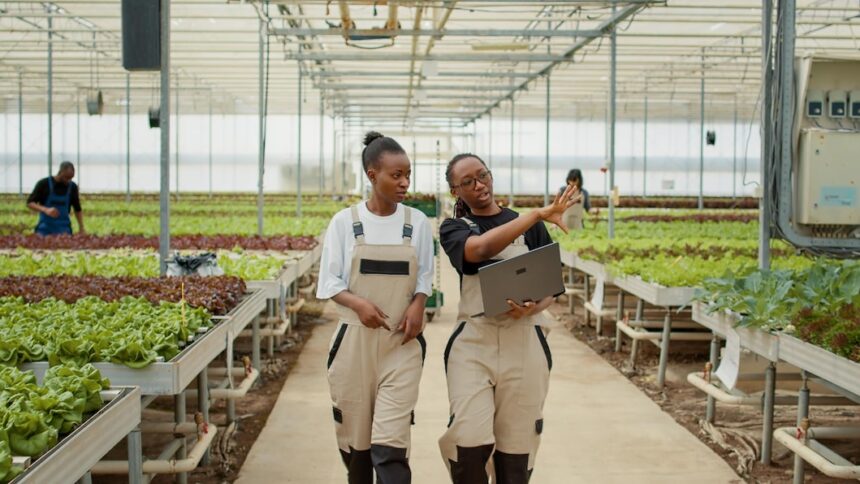
Across the globe, women are playing an increasingly vital role in agriculture and agribusiness. Yet many still face significant barriers when it comes to accessing resources, knowledge, and opportunities for growth. Recognizing this gap, organizations, governments, and private sector players are investing in specialized training programs and workshops designed to uplift women in the agricultural value chain.
These initiatives are not only helping women become more skilled farmers and entrepreneurs but are also contributing to food security, community development, and economic stability.
One of the core goals of these programs is to provide practical skills that can be applied immediately on the farm or in agribusiness operations. Workshops often cover essential topics such as sustainable farming practices, value addition, financial literacy, agritech innovations, and market access. Many also address gender equity, leadership development, and how to navigate male-dominated sectors with confidence and success.
In Kenya, programs like the African Women in Agricultural Research and Development (AWARD) fellowship have been instrumental in mentoring women scientists and entrepreneurs to become influential leaders in agriculture. Similar efforts can be found in countries like Nigeria, where initiatives such as the Women in Agriculture and Entrepreneurship Development program are helping participants scale their agribusinesses through hands-on business training.
Training programs are typically offered in partnership with NGOs, agricultural extension offices, universities, and even private agri-corporations. These partnerships ensure that women not only receive theoretical knowledge but are also supported with practical tools, mentorship, and often access to funding or microloans.
Digital platforms have also emerged as a game-changer, offering online workshops and virtual learning sessions that allow women in remote areas to gain vital skills without having to travel long distances. Mobile apps, WhatsApp groups, and radio-based training are being used innovatively to overcome barriers to access and ensure inclusivity.
Moreover, these training initiatives are helping women move beyond subsistence farming into commercial agriculture and agribusiness leadership. Many graduates of such programs go on to launch their own food processing businesses, run profitable poultry farms, or become key players in supply chain management.
The ripple effect is undeniable—when women are empowered with the right training, they create jobs, improve household incomes, educate their children, and invest back into their communities. With the growing recognition of their potential, the call to invest in more women-centered agribusiness education and mentorship continues to gain traction.
As agriculture transforms in the face of climate change, market volatility, and global food demands, training women in agribusiness is more important than ever. These workshops and capacity-building efforts are not just empowering individuals—they are laying the foundation for a more inclusive and resilient food system.
Join 'Farmers Mag' WhatsApp Channel
Get the latest Farming news and tips delivered straight to your WhatsApp
CLICK HERE TO JOIN




