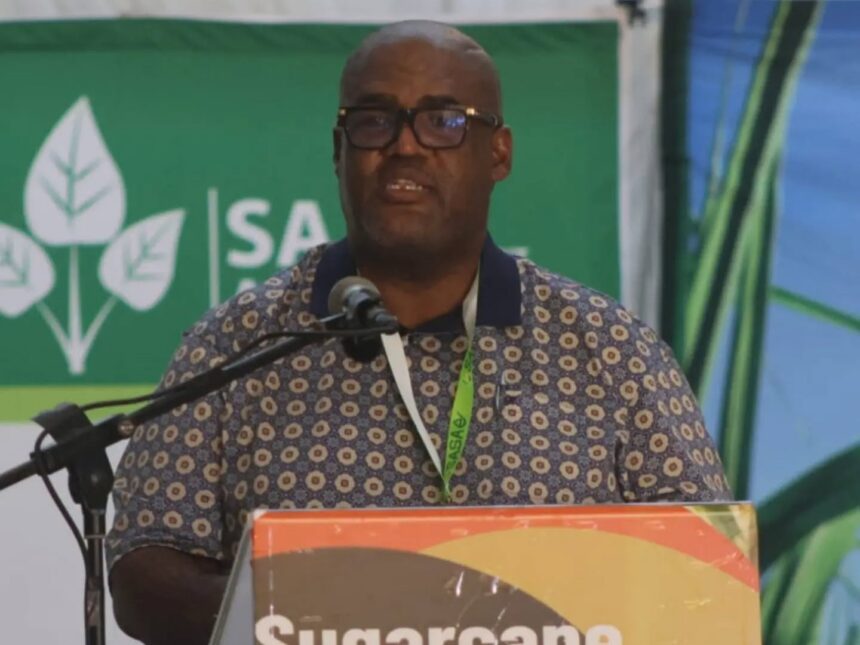
Land reform, farmer development and meaningful participation in the agricultural economy remain central to efforts to transform South Africa’s sugar industry. Small-scale and emerging sugarcane growers face the challenge of building productive farming businesses and closing the gap between themselves and established commercial producers. These issues took centre stage at the Sugarcane Development Transformation Dialogue held at KwaShukela in Mt Edgecombe, Durban. Minister of Land Reform and Rural Development Mzwanele Nyhontso attended the event and delivered the keynote address to sugarcane growers, land reform beneficiaries and key industry stakeholders. During his address, the Minister committed to interventions for small-scale sugarcane growers, announcing that R120 million would be allocated to support their development.
The dialogue brought together land reform beneficiaries, small-scale sugarcane growers, industry representatives, development organisations, government departments and financial institutions. Its purpose was to strengthen cooperation across the sugar value chain and identify ways to increase sugarcane production by black farmers. The engagement also provided a platform to discuss the barriers that limit the growth of emerging farmers and their ability to participate more fully in the industry. Bringing these groups together is important because transformation requires more than access to agricultural land. Farmers also need the support and opportunities required to develop productive operations and participate in established markets. The dialogue therefore focused on the need for coordinated efforts to promote growth and broaden participation in the sugar industry.
Acting Chairperson of the South African Sugar Association, Mr Trix Trikam, welcomed delegates and called for meaningful transformation across the sector. He emphasised the need for South Africa to close the gap between emerging and commercial sugarcane farmers. This gap reflects an important challenge for an industry that includes producers with different levels of resources, production capacity and access to opportunities. Transformation must create conditions in which emerging farmers can strengthen their operations and compete more effectively. Cooperation between growers, industry bodies, government and financial institutions can help address some of the barriers facing these producers. Trikam’s remarks placed the need for a more inclusive sugar industry firmly on the dialogue’s agenda.
In his keynote address, Minister Nyhontso highlighted the historical significance of sugarcane cultivation in KwaZulu-Natal and its connection to the region’s communities. He referred to the isiZulu word “umoba” and the isiXhosa expression “umdiza weswekile” as examples of the indigenous connection to sugarcane growing. The Minister used these terms to emphasise that sugarcane cultivation is not only part of the region’s contemporary agricultural economy but also has roots that predate colonial rule. He explained that the cultivation and processing of sugarcane are deeply connected to the history and identity of communities in KwaZulu-Natal and Mpumalanga. Recognising this history, he said, is important when considering how the industry should be transformed.
The Minister stressed that historical understanding should inform present efforts to make the sugar industry more inclusive. He explained that the history of sugarcane production provides an important starting point for transformation because the crop and its processing have long been connected to the communities that now form part of the industry. This perspective places black farmers and land reform beneficiaries within the broader story of sugarcane production rather than treating their participation as a recent development. It also highlights the importance of ensuring that transformation creates meaningful opportunities for farmers to contribute to the industry’s future. The dialogue brought this issue into focus by connecting the sector’s history with the need to increase production by black growers. A transformed industry should recognise its historical foundations while creating opportunities for a wider range of farmers to succeed.
The announcement of a R120 million allocation for interventions aimed at small-scale sugarcane growers was a significant commitment made during the event. The funding is intended to support efforts to strengthen the position of these farmers within the industry. Small-scale growers are an important part of the broader sugarcane production landscape, and improving their capacity can contribute to the objective of increasing production by black farmers. The announcement also reflects the role government can play in supporting land reform beneficiaries and emerging agricultural businesses. However, the impact of the allocation will depend on how the interventions are designed, implemented and directed towards the needs of growers. Clear support measures and effective coordination will be important to ensuring that the commitment translates into practical progress for participating farmers.
The involvement of financial institutions and development organisations in the dialogue was also important because farmer transformation requires cooperation beyond government funding. Growing a sugarcane operation involves production decisions, access to resources and the ability to maintain a viable farming business. Emerging growers need opportunities to strengthen their production capacity and establish sustainable operations. Industry stakeholders can contribute by working with government and farmers to identify challenges and support practical solutions. A coordinated approach can help ensure that land reform beneficiaries are not left to manage the demands of commercial agriculture without the necessary support. The dialogue provided an opportunity for these stakeholders to engage around the shared objective of expanding black participation in the sugar industry.
The Sugarcane Development Transformation Dialogue in Durban placed the future of small-scale growers and black farmer participation at the centre of discussions about the sugar industry’s development. Minister Nyhontso’s address connected the historical role of sugarcane in KwaZulu-Natal and Mpumalanga with the need for meaningful transformation today. His R120 million funding commitment provided a clear indication of government’s intention to support interventions for small-scale growers. The call by SASA Acting Chairperson Trix Trikam to close the gap between emerging and commercial farmers further reinforced the need for practical and sustained action. Turning these commitments into lasting progress will require continued cooperation between government, industry, financial institutions and farming communities. Strengthening small-scale growers is essential to building a more inclusive sugar industry and expanding the contribution of black farmers to South Africa’s agricultural economy.
Join 'Farmers Mag' WhatsApp Channel
Get the latest Farming news and tips delivered straight to your WhatsApp
CLICK HERE TO JOIN