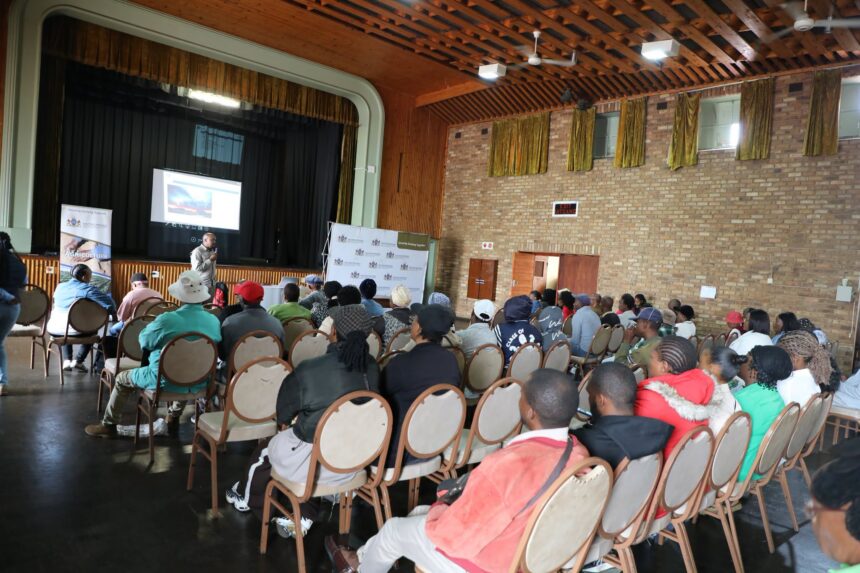
Unpredictable weather patterns and changing seasons continue to challenge agricultural production across Gauteng. Farmers must manage the risks associated with changing rainfall patterns, rising temperatures and periods of extreme weather while protecting their crops, livestock and livelihoods. Preparation, access to reliable information and cooperation between agricultural stakeholders are essential to reducing the impact of these conditions. These priorities were at the centre of a recent Disaster Awareness Session held at the IEC Hall in Randfontein. Guided by the theme “We can beat El Niño through proper preparation”, the event brought farmers, agricultural experts and key stakeholders together to strengthen disaster risk awareness and promote practical responses to climate variability.
The session was led by Programme Director Mr. Timothy Mubuza, who guided discussions on the importance of understanding weather-related risks and preparing for their possible effects on farming activities. Ms. Kelebogile Semino from the Randwest City Municipality’s Local Economic Development office opened the programme with remarks that highlighted the importance of community participation and cooperation. Her contribution was followed by an overview from Ms. Siphokazi Ngwadla of the National Development Agency. Ngwadla explained the central purpose of the awareness campaign, which is to equip farming communities with information and strategies for disaster risk reduction, mitigation and adaptation. These approaches can help farmers make informed decisions, identify potential threats and improve their readiness for challenging weather conditions.
The presentations placed particular emphasis on the value of accurate weather information in agricultural planning. Ms. T. Chiloane from the South African Weather Service delivered a seasonal forecast, providing attendees with information to support their understanding of expected weather conditions. Seasonal forecasts are important tools for farmers because they can help inform decisions about planting, livestock management and the timing of agricultural activities. The Agricultural Research Council added to the discussion through presentations on local observations and their implications for agriculture. By combining scientific information with observations from farming areas, agricultural stakeholders can develop a clearer understanding of the risks facing different communities and production systems.
Disaster risk management and early warning systems also formed an important part of the programme. Representatives from the Department of Cooperative Governance and Traditional Affairs, known as COGTA, provided policy guidance and practical information on disaster implications. Their discussions included the interpretation of early warnings and the importance of understanding what these alerts mean for farming operations. Early warnings can give farmers valuable time to assess possible threats and take appropriate precautions before conditions worsen. However, the information must be understood and translated into practical decisions at farm level. Strengthening communication between disaster management structures, municipalities and agricultural communities can therefore support more effective preparation and response.
The session also addressed the practical challenges that extreme weather can create for livestock and crop production. Discussions on heat stress highlighted the need for farmers to understand how high temperatures can affect animal welfare and productivity. Heat stress can place additional pressure on livestock, making suitable management practices and access to appropriate care important during hot conditions. Grain SA contributed to the programme by sharing adaptive crop strategies that can help farmers respond to changing weather patterns. Crop adaptation requires farmers to consider the conditions in their production areas and assess which practices are appropriate for their operations. The exchange of practical information helps connect broader climate discussions with the everyday decisions farmers make when managing their land and crops.
El Niño awareness was a central focus throughout the event because climate patterns can influence rainfall and temperature conditions, with consequences for agricultural production. Farmers who understand potential seasonal risks are better positioned to review their plans and consider suitable adaptation measures. However, preparation should not depend on a single forecast or awareness event. Regularly monitoring weather updates, paying attention to early warnings and maintaining communication with agricultural advisers and relevant institutions are important parts of ongoing disaster preparedness. Farmers also need to consider the specific conditions of their farms, since the effects of changing weather can differ between locations and production systems. The information shared during the Randfontein session provided an opportunity for participants to strengthen their understanding of these issues and consider how they relate to their own farming activities.
The event concluded with a Vote of Thanks that reflected a shared commitment to improving disaster preparedness across Gauteng’s agricultural communities. The Department of Agriculture and Rural Development, municipal partners and local farmers were recognised as important contributors to the collective effort. Their participation demonstrated the value of collaboration between government institutions, agricultural organisations, scientific experts and farming communities. Each group has a role to play in ensuring that relevant information reaches farmers and supports practical action. Continued engagement can help strengthen awareness, improve the interpretation of early warnings and encourage the adoption of suitable climate adaptation measures.
The Disaster Awareness Session in Randfontein reinforced an important message for Gauteng agriculture: preparation is essential when farming communities face unpredictable weather and changing seasonal conditions. Access to seasonal forecasts, local agricultural research, disaster management guidance and practical production advice gives farmers information they can use to assess risks and plan ahead. The discussions on livestock heat stress, adaptive crop strategies and early warning systems also highlighted the need to connect scientific knowledge with decisions made on farms. No single intervention can remove all the risks associated with climate variability, but informed planning and cooperation can help reduce their impact. Through continued collaboration and a stronger focus on disaster risk reduction, Gauteng’s agricultural sector can improve its readiness for El Niño-related challenges and other weather-related threats.
Join 'Farmers Mag' WhatsApp Channel
Get the latest Farming news and tips delivered straight to your WhatsApp
CLICK HERE TO JOIN