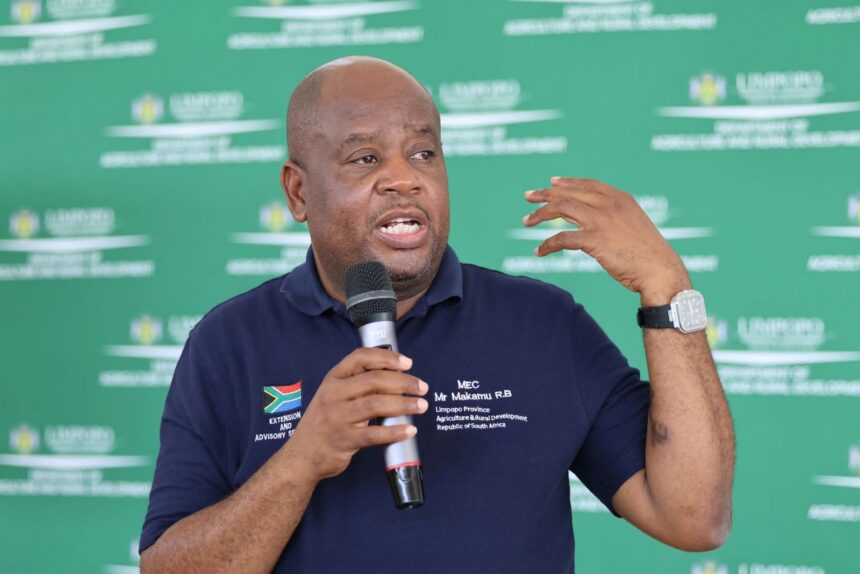
Strengthening agricultural support, improving access to technical services and building stronger relationships with traditional leadership are among the priorities driving agricultural development in Limpopo. The MEC for Agriculture and Rural Development, Mr Basikopo Makamu, recently visited Lavradore Primary Cooperative in Moletji, Ga Moeti, where he conducted a walkabout with Kgoshi Kgabo Moloto III of the Moletši Traditional Authority. The visit forms part of efforts by the Limpopo Department of Agriculture and Rural Development (LDARD) to strengthen support for farmers and improve agricultural development in rural communities. It follows an earlier meeting between MEC Makamu and Kgoshi Moloto, during which the department introduced a multidisciplinary team of agricultural and veterinary professionals who will provide support to farmers in the Moletši area. The engagement highlights the importance of cooperation between government and traditional leadership in creating opportunities for agricultural growth, rural development and improved food security.
The meeting with Kgoshi Moloto provided an opportunity for the department to introduce the Extension and Advisory Services Practitioners, Veterinary Services Animal Health Technicians and State Veterinarians who will work with farmers in Moletši. These professionals play different but complementary roles in supporting agricultural production and addressing challenges experienced by farmers. Extension and advisory practitioners provide technical guidance on farming practices, production planning and the management of agricultural activities. Veterinary professionals focus on animal health, disease prevention and livestock-related services. Bringing these skills together allows the department to provide a broader range of agricultural support to farming communities.
Agricultural extension services are an important link between farmers and government agricultural programmes. Farmers often require practical advice on crop production, soil management, livestock care, pest control and the use of agricultural resources. Extension practitioners help translate technical information into practical guidance that producers can apply in their farming operations. Their involvement can also help identify production challenges and determine where additional training or support may be necessary. Regular engagement between farmers and extension officers is particularly important for emerging and small-scale producers who may have limited access to private agricultural advisory services. Strengthening these services in Moletši could help improve farmers’ access to information and technical assistance.
Veterinary Services also have an important role in protecting livestock production and supporting rural livelihoods. Animal diseases can affect livestock health, productivity and the financial stability of farming households. Veterinary support helps farmers identify animal health problems, understand disease prevention measures and access appropriate professional assistance. Animal Health Technicians and State Veterinarians contribute to disease surveillance, livestock health management and veterinary interventions within their respective responsibilities. Access to these services is important for farmers who depend on cattle, goats, sheep and other livestock for food production and income. Strengthening veterinary support can therefore contribute to healthier livestock populations and more sustainable animal production.
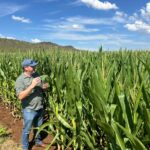
The walkabout at Lavradore Primary Cooperative provided an opportunity for MEC Makamu and Kgoshi Moloto to engage with agricultural activities on the ground. Such visits are important because they allow government representatives and traditional leaders to observe farming operations and gain a better understanding of the conditions affecting producers. Direct engagement can help identify challenges relating to agricultural infrastructure, production resources, technical support and access to markets. It also creates opportunities for farmers to communicate their needs and discuss possible areas of intervention. The involvement of traditional leadership further strengthens the relationship between agricultural development initiatives and the communities they are intended to serve.
Traditional leaders play an important role in rural development because of their established relationships with communities and their understanding of local priorities. Cooperation between the Limpopo Department of Agriculture and Rural Development and traditional authorities can help strengthen communication with farmers and improve coordination around agricultural initiatives. Traditional leadership can also help identify local agricultural opportunities and encourage community participation in development programmes. This cooperation is particularly relevant when government seeks to expand agricultural activities, support emerging farmers and promote youth involvement in the sector. Working relationships between government departments and traditional institutions can help ensure that agricultural interventions consider local circumstances and community needs.
Youth empowerment is another priority highlighted by the department’s commitment to rural agricultural development. Agriculture offers opportunities across several areas, including crop production, livestock farming, agro-processing, agricultural services and the supply of farming inputs. However, young people may face barriers such as limited access to land, finance, equipment, training and established markets. Addressing these challenges requires coordinated support and opportunities for practical agricultural skills development. Extension services can contribute by providing technical guidance, while broader agricultural development programmes can help connect young farmers with relevant resources and opportunities. Encouraging youth participation is important for developing agricultural skills and supporting the future of farming in Limpopo.
Inclusive economic growth also depends on creating opportunities for farmers at different stages of development. Small-scale and emerging producers need access to appropriate technical support and productive resources to grow their operations. Established farmers may require assistance in improving productivity, managing agricultural risks and strengthening market participation. Agricultural development programmes should recognise these differences and provide support that responds to the needs of each farming operation. Stronger cooperation between government, traditional leadership and agricultural communities can help identify practical interventions. The department’s engagement in Moletši reflects an approach that places farmer support and local participation at the centre of rural agricultural development.
Food security remains a major priority for Limpopo and South Africa as a whole. Improving food security requires more than increasing agricultural production. Households also need access to affordable, nutritious food and opportunities to earn sustainable incomes. Supporting crop and livestock farmers can contribute to local food availability while creating opportunities for rural economic activity. Agricultural extension services, veterinary support and improved coordination with local leadership can all contribute to strengthening the production side of food security. However, achieving these outcomes will also depend on access to land, water, infrastructure, finance and reliable markets.
MEC Basikopo Makamu’s stated ambition is to help position Limpopo to achieve 100% food security. This is an important development goal that requires sustained work across agricultural production, household access to food and rural economic development. Supporting farmers through professional advisory services and veterinary interventions represents one part of that broader effort. Continued engagement with traditional authorities can also help the department understand local challenges and strengthen the delivery of agricultural support. The effectiveness of these interventions will depend on consistent implementation and measurable improvements in farming conditions and food production.
The engagement at Lavradore Primary Cooperative in Moletji, Ga Moeti, demonstrates the value of bringing agricultural professionals, traditional leadership and farming communities together. The introduction of a multidisciplinary support team creates a basis for closer engagement with farmers in the Moletši area. It also reinforces the importance of extension services and veterinary support in maintaining productive and sustainable farming operations. As Limpopo continues to pursue agricultural development and improved food security, partnerships between government and traditional institutions will remain important. Strengthening these relationships and ensuring that farmers receive practical, accessible support can contribute to stronger rural livelihoods, greater youth participation and a more productive agricultural sector across the province.
Join 'Farmers Mag' WhatsApp Channel
Get the latest Farming news and tips delivered straight to your WhatsApp
CLICK HERE TO JOIN