Farming requires significant financial investment long before a farmer earns an income from the land. From purchasing seeds and fertilisers to preparing fields, maintaining equipment and managing labour costs, every stage of the planting season requires careful planning and informed decision-making. For farmers, the decisions made before planting and during the early stages of crop development can have a lasting impact on productivity, profitability and long-term business growth. Access to practical agricultural advice at the right time can help farmers avoid unnecessary expenses, reduce production risks and protect the resources they have invested in their crops. As the 2026/27 planting season begins, the importance of equipping farmers with the right knowledge, technical skills and support services remains central to building a more productive and resilient agricultural sector.
The planting season is a particularly important period for farmers because many of their major expenses occur before they can determine the final value of their harvest. Weather conditions, soil quality, pest outbreaks, diseases and fluctuating input costs can all influence the success of a crop. While farmers cannot control every factor affecting production, they can improve their chances of success by making informed choices and applying sound agricultural practices. Understanding when to plant, how to prepare the soil, which inputs to use and how to manage crop health can help prevent avoidable losses. Timely guidance also enables farmers to identify potential problems early, when corrective action may be more effective and less expensive.
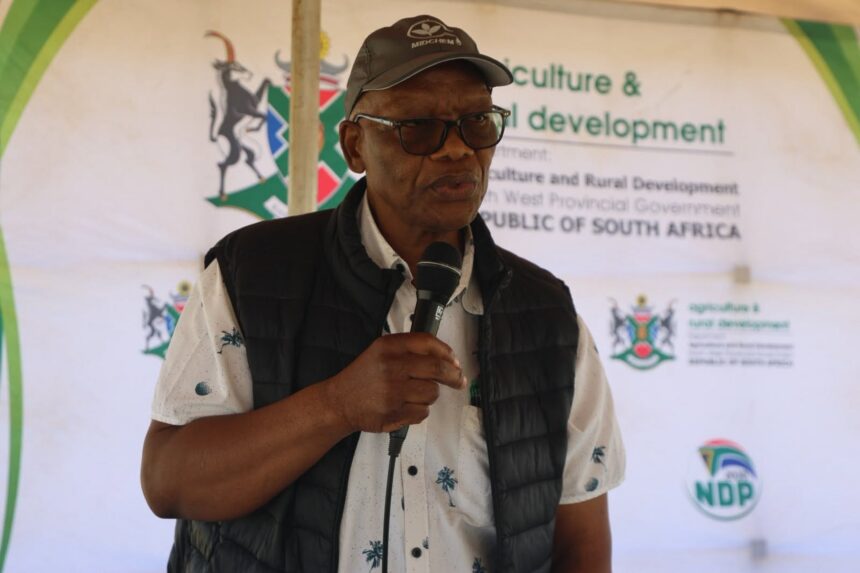
The value of practical agricultural education was demonstrated during the North West Department of Agriculture and Rural Development’s 2026/27 planting season launch, where demonstrations on drone spraying and boom sprayer calibration highlighted the importance of applying agricultural knowledge in the field. These activities showed how farmers can benefit from seeing equipment in operation and learning how to use it correctly. While theoretical knowledge provides an important foundation, practical demonstrations help farmers understand how to apply that knowledge to their own farming operations. They also create opportunities to ask questions, observe techniques and develop the confidence needed to make better decisions. By connecting technical information with everyday farming challenges, these initiatives can help farmers improve efficiency and manage their production costs more effectively.
Correct chemical application is one of the practical skills that can make a meaningful difference to farm profitability. Crop protection products are often essential for controlling weeds, insects and diseases, but their effectiveness depends on using the appropriate product at the recommended rate and under suitable conditions. Applying too much chemical can increase costs, damage crops in some circumstances and contribute to environmental contamination. Applying too little may result in inadequate pest or disease control, potentially leading to further treatment expenses and crop losses. Farmers who understand calibration, application rates, equipment settings and safe handling procedures are better positioned to use crop protection products responsibly and achieve the intended results.
Drone spraying technology offers farmers another option for managing certain crop protection tasks, depending on the crop, terrain, equipment and applicable regulations. Agricultural drones can be useful in areas where conventional machinery faces access challenges, although their suitability depends on the specific farming operation. Farmers need to understand the technology’s capabilities and limitations before investing in or using these systems. Training should cover application accuracy, spray drift, weather conditions, equipment maintenance and compliance with relevant aviation and pesticide requirements. Demonstrations that explain both the benefits and the practical considerations of drone spraying can help farmers assess whether the technology offers a realistic advantage for their businesses.
Boom sprayers also play an important role in crop production, particularly where farmers need to treat larger areas efficiently. However, the performance of a boom sprayer depends on correct calibration and regular maintenance. Factors such as nozzle selection, operating pressure, travel speed and spray volume influence how evenly a product is distributed across a field. Poor calibration can lead to uneven coverage, wasted chemicals and inconsistent crop protection. By learning how to check and adjust their equipment before spraying, farmers can improve application accuracy, control input costs and reduce the risk of ineffective treatments.
The importance of these skills extends beyond the immediate planting season. Every input represents money that farmers must recover through the sale of their produce, making efficient resource management essential to business sustainability. When farmers use fertilisers, chemicals, water, fuel and labour carefully, they can make better use of their available capital. Accurate application can also support responsible environmental management by reducing unnecessary chemical use and limiting the potential for contamination. Over time, these improvements can contribute to more consistent production practices and stronger farm management. Practical agricultural training therefore serves not only as a way to improve technical skills but also as an investment in the long-term financial health of farming businesses.
Partnerships between agricultural organisations and government departments are important in making this type of support accessible to farmers. Public agricultural services can provide technical guidance, extension support and opportunities for farmers to learn about recommended production practices. Private sector partners can contribute additional expertise, resources and practical knowledge that complement government initiatives. When these efforts are coordinated, farmers have better opportunities to access relevant information and develop skills that address real challenges in the field. Cooperation also helps strengthen the relationship between agricultural institutions and the communities they serve, creating a more connected support system for farmers at different stages of their development.
This is why cooperation between PGP and government matters as farmers prepare for the planting season. Bringing advice, technical skills and agricultural services closer to farming communities can help producers make better-informed decisions before committing further resources to their crops. Support that reaches farmers at the right time can improve their understanding of production methods, encourage the responsible use of agricultural inputs and help them identify opportunities to improve efficiency. It can also support farmers who are working to grow their businesses, strengthen their operations and improve their ability to manage changing production conditions. By focusing on practical needs and shared objectives, partnerships can help turn agricultural knowledge into improvements that farmers can apply in their daily work.
Recognising the contributions of participating organisations is also an important part of strengthening agricultural partnerships. PGP values the opportunity to work with the North West Department of Agriculture and Rural Development in supporting farmers as the 2026/27 planting season begins. The recognition of PGP’s contribution by Head of Department Ms Bothoboile Pule highlights the value of collaboration in advancing practical agricultural support. Such cooperation provides a foundation for continued engagement around farmer education, technical development and improved access to relevant services. Maintaining these relationships can help ensure that farmers receive support that responds to their needs and contributes to the broader development of the agricultural sector.
Ultimately, protecting a crop investment begins with preparation, informed decisions and the correct application of agricultural practices. Farmers who receive timely advice and practical training are better equipped to manage input costs, use equipment effectively and respond to production challenges before they become more serious problems. Demonstrations on drone spraying and boom sprayer calibration show how targeted technical guidance can translate into practical benefits on the farm. Strong partnerships between PGP, government and other agricultural stakeholders can extend these opportunities to more farmers and support the development of sustainable farming businesses. As the 2026/27 planting season gets underway, continued investment in farmer knowledge, practical skills and accessible agricultural services will remain essential to protecting farmers’ investments, improving productivity and building a stronger agricultural future.
Join 'Farmers Mag' WhatsApp Channel
Get the latest Farming news and tips delivered straight to your WhatsApp
CLICK HERE TO JOIN