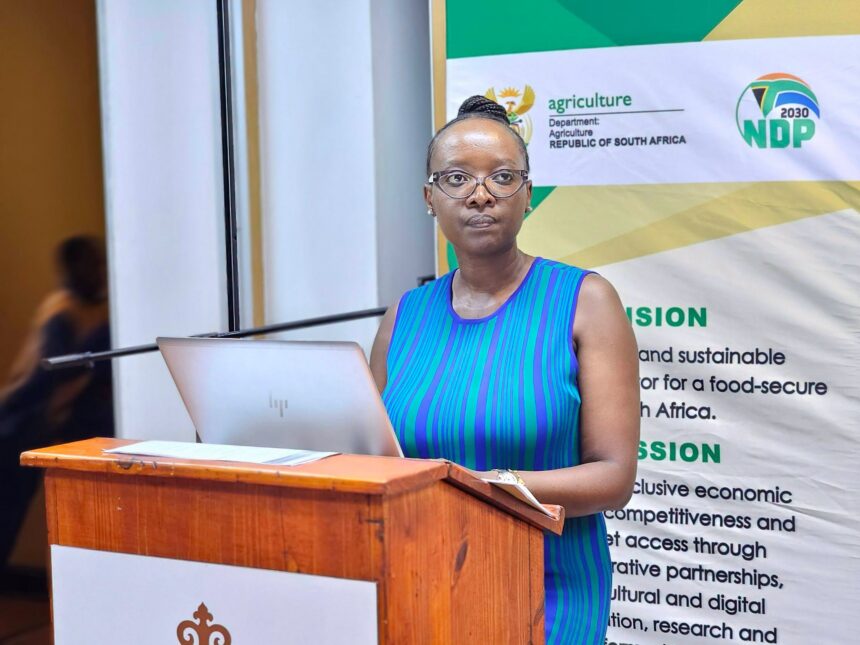
Improving access to water and land, creating more market opportunities for farmers and promoting climate-resilient agriculture are among the key proposals emerging from consultations on South Africa’s National Food and Nutrition Security Plan (NFNSP) 2025–2033 in Bloemfontein. The discussions have highlighted the need for practical solutions that address the challenges communities face in producing, accessing and affording nutritious food. Stakeholders have also called for household food gardens, agricultural education in schools, stronger collaboration and greater promotion of indigenous foods to strengthen local food systems. These proposals reflect the importance of addressing food insecurity through coordinated action that considers agricultural production, household livelihoods, nutrition and access to markets. The consultations provide an opportunity for communities and other stakeholders in the Free State to contribute their experiences and help shape a national plan that responds to the needs of people across South Africa.
Food and nutrition security remains an important development priority because access to sufficient, safe and nutritious food affects health, education, economic participation and overall well-being. Food security involves more than the availability of food in shops and markets. Households also need the financial means to obtain food, reliable access to nutritious options and the ability to maintain adequate diets throughout the year. Food insecurity can arise from several interconnected challenges, including poverty, unemployment, limited agricultural resources and disruptions to food production. Addressing these issues requires solutions that strengthen both the supply of food and the ability of households to access it. The National Food and Nutrition Security Plan 2025–2033 consultations are intended to help identify practical approaches that respond to these challenges while supporting more inclusive and resilient food systems.
One of the major issues raised during the Bloemfontein consultations was the need to improve access to water and land for agricultural production. Water is essential for growing crops, raising livestock and maintaining productive farming operations, particularly in areas affected by irregular rainfall and dry conditions. Farmers who lack reliable water supplies may struggle to maintain consistent production, while limited access to suitable land can prevent emerging producers from establishing or expanding their operations. These barriers can affect household food production, agricultural employment and the availability of locally produced food. Improving access to these resources could help more farmers participate in agriculture and strengthen the capacity of communities to produce food for local consumption and commercial markets.
Access to land and water is particularly important for smallholder farmers and emerging agricultural producers who may have limited financial resources. Without suitable land, secure access arrangements and dependable water supplies, it can be difficult to invest in farming infrastructure or plan production over several seasons. Support measures could include improving access to productive land, strengthening water management and helping farmers identify suitable production methods for their local conditions. Such efforts would need to account for competing demands on water resources, environmental protection and the long-term sustainability of agricultural land. Better access to these essential resources could contribute to increased local food production, stronger rural livelihoods and improved participation in the agricultural economy.
Expanding market opportunities was another important proposal emerging from the consultations. Farmers need reliable ways to sell their produce if they are to generate income, recover production costs and sustain their businesses. However, some producers may face difficulties reaching buyers, meeting market requirements or transporting their products to suitable selling points. Limited access to markets can reduce the financial benefits of agricultural production, even when farmers successfully grow food. Strengthening connections between producers, retailers, processors and other buyers could help improve market participation and create opportunities for agricultural enterprises to grow. Better market access could also support local economic development by helping more value from agricultural production remain within communities.
The proposal to establish agro-processing plants could further strengthen these opportunities. Agro-processing involves turning agricultural products into other goods that can be stored, distributed or sold in different forms. Depending on the crops and livestock products available in an area, processing activities may include milling grains, drying fruit, producing packaged foods or processing other agricultural commodities. These activities can create additional uses for locally produced raw materials and potentially reduce losses when fresh products cannot be sold quickly. Agro-processing facilities may also support employment and provide farmers with additional routes to market. However, their success depends on factors such as reliable supplies of agricultural produce, suitable infrastructure, access to finance, technical capacity and sufficient demand for the finished products.
Climate-resilient agriculture was also identified as an important part of improving food and nutrition security. Farmers across South Africa must manage environmental risks, including drought, heat and changing rainfall patterns, which can affect crop yields and livestock production. These pressures can make it harder to maintain stable food supplies and predictable farm incomes. Climate-resilient farming approaches aim to help producers prepare for and respond to these risks while protecting the natural resources on which agriculture depends. Depending on local conditions, possible approaches may include conserving soil moisture, improving water efficiency, diversifying crops and selecting varieties suited to local growing conditions. Promoting these practices can help farmers manage environmental uncertainty and strengthen the resilience of agricultural production over time.
The establishment of household food gardens emerged as another proposal aimed at improving access to nutritious food. Household gardens can provide families with opportunities to grow vegetables, herbs and other suitable crops for their own consumption. When managed effectively, these gardens may help households supplement their food supplies and improve access to a wider variety of fresh produce. They can be particularly useful where families have suitable space, access to water and the knowledge needed to grow food successfully. Community organisations and local institutions could support household gardening through practical training, access to seeds and guidance on soil preparation, pest management and water conservation. Although household gardens cannot replace the need for reliable income and functioning food markets, they can form part of a broader strategy to strengthen household food security.
Introducing agriculture as a school subject was another proposal highlighted during the consultations. Agricultural education can help learners understand where food comes from, how crops are grown and why soil, water and biodiversity matter for food production. It can also introduce young people to agricultural science, food processing, entrepreneurship and potential careers across the food value chain. Practical learning activities, including school gardens where appropriate, could help learners connect classroom knowledge with everyday food and environmental issues. Early exposure to agriculture may also encourage greater appreciation of farming and the role producers play in supporting communities. To be effective, agricultural education would need suitable teaching materials, trained educators and learning activities that reflect the needs and resources of individual schools.
Promoting indigenous foods was also identified as a potential way to strengthen local food systems and improve access to nutritious meals. Indigenous foods include traditional crops and food products that have long been part of the diets and agricultural practices of particular communities. Depending on the region and the food concerned, these may include traditional grains, legumes, leafy vegetables and other locally familiar ingredients. Promoting suitable indigenous foods can help preserve culinary knowledge, support local producers and broaden the range of foods available to households. Some traditional crops may also offer useful production options under particular local conditions, although their suitability depends on factors such as climate, soil, water availability and farming practices. Encouraging their use through education, cultivation and market development could support cultural heritage while contributing to more diverse food systems.
Stronger collaboration among government departments, farmers, community organisations, businesses and other stakeholders is essential to turning these proposals into practical action. Food and nutrition security is influenced by several interconnected areas, including agriculture, water management, education, public health, economic development and social support. Efforts made by one sector may have limited impact if they are not coordinated with the work of others. For example, helping farmers increase production will not necessarily improve household nutrition if families cannot afford the food or producers cannot reach buyers. Similarly, establishing agro-processing facilities requires coordination between agricultural producers, infrastructure providers, investors and potential customers. Cooperation can help identify gaps, reduce duplication and ensure that interventions address the actual needs of communities.
The consultations in Bloemfontein provide a platform for stakeholders to share local experiences and contribute ideas to the development of an inclusive and responsive National Food and Nutrition Security Plan for 2025 to 2033. Community participation is important because food security challenges differ according to local economic conditions, access to resources and agricultural opportunities. The experiences of farmers, households, educators and community organisations can help decision-makers understand which barriers require urgent attention and which solutions may be practical in different settings. Listening to these perspectives can also help ensure that the plan reflects the realities of people who experience food insecurity or work directly within local food systems. The proposals emerging from the Free State consultations represent contributions to the planning process and should not be taken as confirmation that every suggested measure has already been adopted or implemented.
Turning the proposals into meaningful improvements will require clear priorities, appropriate resources and effective implementation. Better access to land and water could help strengthen production, while market development and agro-processing could improve the commercial prospects of farmers and agricultural enterprises. Climate-resilient farming methods could help producers manage environmental risks, while household gardens and agricultural education could encourage practical food production and improve awareness of nutrition. Promoting indigenous foods and strengthening collaboration could further support local food systems by connecting traditional knowledge with agricultural development and community needs. Progress will depend on how these measures are designed, funded, coordinated and assessed over the plan’s implementation period.
The National Food and Nutrition Security Plan 2025–2033 consultations in Bloemfontein have highlighted the need for a comprehensive approach to food security that addresses both agricultural production and household access to nutritious food. Proposals involving water and land access, market opportunities, agro-processing, climate-resilient agriculture, household food gardens, school agricultural education and indigenous foods offer several avenues for further consideration. The discussions also reinforce the importance of collaboration and meaningful community participation in shaping policies that affect local livelihoods. By considering the practical experiences of communities across the Free State, the planning process can help identify measures that respond more effectively to local challenges while contributing to national food and nutrition security goals. Sustained cooperation, careful implementation and attention to the needs of vulnerable households will be essential to building stronger food systems and improving access to nutritious food across South Africa.
Join 'Farmers Mag' WhatsApp Channel
Get the latest Farming news and tips delivered straight to your WhatsApp
CLICK HERE TO JOIN