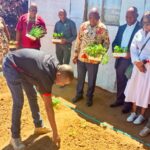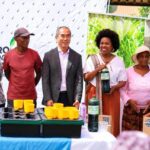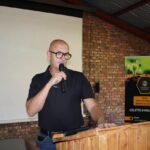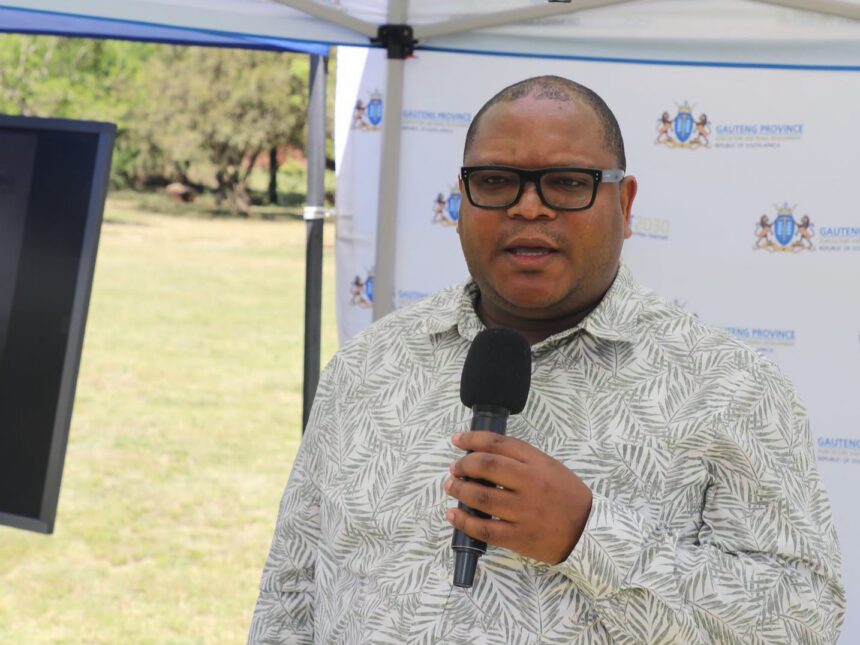
Beekeeping Farmers Day brought together beekeepers, agricultural professionals, industry representatives and other stakeholders for a day of practical learning and knowledge-sharing under the theme “Sustaining Nature Through Beekeeping.” Held under clear skies and a cooling breeze, the event provided an opportunity for participants to explore ways to strengthen beekeeping practices, improve honey quality and support the growth of the beekeeping industry in Gauteng. The programme covered important topics, including industry standards, market access, bee health, hive management and renewable energy solutions for agricultural operations. Representatives from the Gauteng Department of Environment, the Gauteng Department of Agriculture and Rural Development (GDARD) Extension and Advisory Services and several industry organisations contributed to the discussions. Through technical presentations and audience participation, the event highlighted the importance of responsible beekeeping in supporting biodiversity, agricultural production and sustainable livelihoods.
Programme Director Mr A. Mamaregane opened the proceedings and guided the day’s discussions, creating a structured platform for presentations and engagement. Contributions from the Gauteng Department of Environment and GDARD Extension and Advisory Services highlighted the role of government institutions in supporting environmental management and agricultural development. Beekeeping connects these areas because healthy bee populations contribute to pollination, which supports the reproduction of many flowering plants and the production of numerous crops. Effective beekeeping also requires knowledge of bee behaviour, hive management, disease prevention and the responsible use of natural resources. By bringing together government officials and industry participants, the event created an opportunity to discuss the practical knowledge and support needed to develop a sustainable beekeeping sector.
Industry organisation and market access featured prominently during the technical sessions. Mr Luthando Brukwe, chairperson of the South African Bee Industry Organisation (SABIO), and Mr Rory Hansel of the Southern Bee Keeping Association shared perspectives on industry representation and pathways for commercial growers to access markets. For beekeepers who want to expand their operations, understanding industry structures and market requirements is an important part of building a viable business. Producers need to consider product quality, consistency, packaging and the expectations of potential buyers when preparing honey for sale. Engagement with industry associations can also help beekeepers learn about sector developments, build professional relationships and identify opportunities to strengthen their businesses. These discussions highlighted the importance of combining practical beekeeping knowledge with an understanding of the commercial environment.
Honey quality and authentication were also important subjects during the programme. Ms Elize Lundall-Magnuson from the Agricultural Research Council (ARC) addressed key considerations relating to honey quality and authentication. These issues matter because honey must meet appropriate quality expectations to maintain consumer confidence and support fair competition in the market. Honey authentication involves assessing whether a product is genuine and whether its characteristics are consistent with what is represented to buyers. Beekeepers who understand quality requirements are better positioned to pay attention to harvesting, handling, storage and other practices that can affect the final product. The session reinforced the value of technical knowledge in protecting honey quality and supporting a credible beekeeping industry.
Bee health formed another important part of the technical programme, with guidance provided on general bee diseases and the management of Capensis. Maintaining healthy colonies is essential for successful beekeeping because disease and other colony health problems can affect bee populations and honey production. The Capensis issue relates to the Cape honey bee, Apis mellifera capensis, which can cause serious problems when Cape honey bee workers invade colonies of other honey bee populations and reproduce parasitically. Managing this risk requires appropriate knowledge of bee biology, colony behaviour and responsible apiary management. Beekeepers benefit from recognising unusual colony conditions early and seeking guidance from experienced professionals when health problems arise. The discussion highlighted the importance of ongoing learning and sound management practices in protecting colonies and supporting sustainable honey production.
Practical hive management and business growth were addressed by Frank “The Beekeeper” Masondo, who shared strategies for managing small-scale beekeeping operations and expanding production. Starting with a manageable number of hives can allow new beekeepers to develop their skills and understand the daily demands of maintaining healthy colonies. As operations grow, producers need to plan for additional equipment, suitable apiary sites, colony health monitoring and the labour required to manage more hives. Expansion also requires attention to harvesting methods, honey handling and the ability to supply buyers consistently. Practical advice from experienced beekeepers can help producers understand these requirements and make more informed decisions about developing their operations. The session provided an opportunity for participants to consider how improved management practices can support the gradual growth of their beekeeping businesses.
The programme also explored the role of renewable energy in modern agricultural operations. Mr Duncan Tholo from Sunco Minerals and Energy discussed renewable energy solutions relevant to farming and agricultural enterprises. Energy requirements vary between operations, but reliable power can support activities such as equipment use, product storage and other farm-related processes. Renewable energy systems may offer useful options for some producers, depending on their location, energy needs, installation costs and access to technical support. Beekeepers considering these systems need to assess their actual power requirements and the long-term costs associated with installation and maintenance. Including renewable energy in the discussion broadened the programme beyond hive management and highlighted the importance of considering operational efficiency when developing agricultural businesses.
Beyond the technical presentations, Beekeeping Farmers Day provided an opportunity for participants to exchange experiences and build professional relationships. Questions from the audience encouraged discussion and allowed attendees to engage directly with speakers on issues affecting their work. These exchanges can be valuable for beekeepers who face similar challenges but operate in different locations or at different scales. Networking also creates opportunities to learn about available support, industry organisations and potential business partnerships. For emerging beekeepers, contact with established practitioners and technical experts can help them identify where to seek advice as their operations develop.
The event concluded with closing remarks from Dr S. Maoba, after which attendees continued their discussions over lunch. The informal networking session allowed participants to exchange ideas, share practical experiences and strengthen connections within Gauteng’s beekeeping community. Such engagement can support continued cooperation beyond the event and encourage the sharing of knowledge between producers, government representatives and industry organisations. The discussions also reinforced the value of bringing together expertise from different parts of the sector to address common challenges. Continued engagement will be important in helping beekeepers apply the knowledge gained during the event to their own operations.
Beekeeping Farmers Day highlighted the relationship between sustainable beekeeping, environmental protection and agricultural development in Gauteng. Through sessions on industry organisation, honey quality, bee health, hive management and renewable energy, participants gained an opportunity to explore issues that influence both production and business growth. The involvement of government departments, the Agricultural Research Council, industry associations and experienced beekeepers provided a broad range of perspectives on the sector’s needs. The event’s theme, “Sustaining Nature Through Beekeeping,” also drew attention to the importance of protecting healthy bee populations and supporting responsible management practices. Continued investment in practical training, technical knowledge and industry collaboration can help strengthen beekeeping businesses while supporting pollination, biodiversity and the long-term sustainability of agriculture in Gauteng.
Join 'Farmers Mag' WhatsApp Channel
Get the latest Farming news and tips delivered straight to your WhatsApp
CLICK HERE TO JOIN