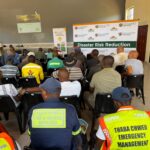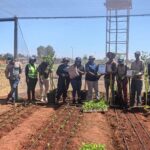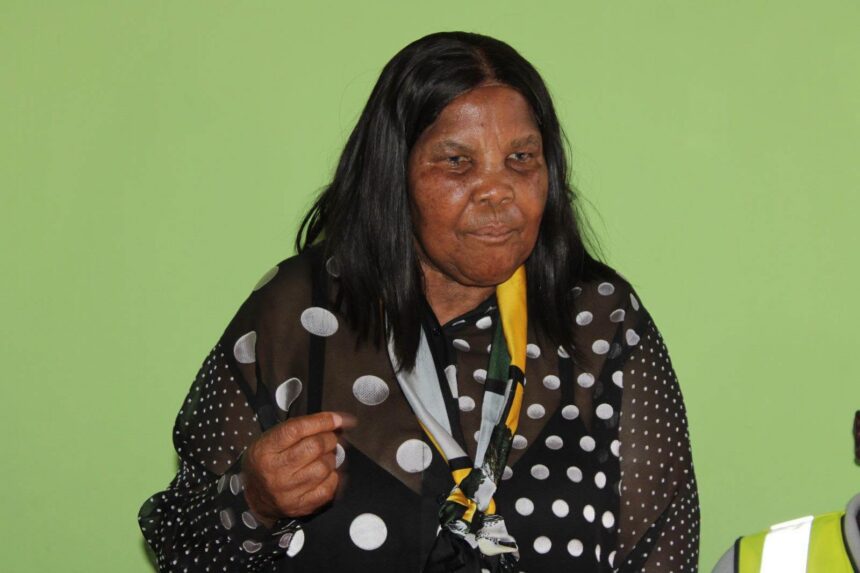
Deputy Minister of Agriculture Nokuzola Capa has engaged with the farming community of Centuli in the King Sabata Dalindyebo (KSD) Local Municipality in the Eastern Cape as efforts to combat sheep scab and protect livestock continue. The initiative forms part of ongoing interventions to improve animal health, reduce the spread of the disease and protect the livelihoods of farmers who depend on sheep production. A total of 7,668 sheep have been vaccinated as part of these efforts, highlighting the importance of coordinated veterinary support and active participation by livestock owners. During her engagement with the community, Deputy Minister Capa encouraged farmers to take part in animal health programmes and work closely with agricultural authorities to safeguard their animals. The initiative reflects the National Department of Agriculture’s commitment to strengthening livestock farming, supporting rural communities and promoting sustainable agricultural development.
Sheep scab is a contagious skin disease caused by the parasitic mite Psoroptes ovis, which can affect sheep and cause intense itching, skin irritation, wool loss and damage to the fleece. Affected animals may rub against fences, trees and other surfaces in an attempt to relieve the irritation, potentially causing further skin injuries. In severe cases, sheep may lose condition because of stress, reduced feeding and the effects of prolonged infestation. These problems can affect animal welfare, productivity and the financial performance of livestock farming operations. The disease can spread between animals through close contact and may also be transmitted through contaminated equipment, clothing or other materials under suitable conditions. Early detection, appropriate veterinary treatment and effective control measures are therefore essential to managing sheep scab and limiting its impact on flocks.
The vaccination of 7,668 sheep in the Centuli area represents an important part of the reported animal health intervention, although vaccination alone should not be assumed to provide complete protection against sheep scab. Effective control depends on using appropriate veterinary measures for the disease, following professional guidance and monitoring animals for signs of infestation. Farmers should consult state veterinary services or qualified animal health professionals to confirm which treatments or preventive measures are suitable for their flocks. Where treatment is required, following the recommended dosage, application method and treatment schedule is essential. Livestock owners should also seek advice on whether animals need to be isolated and how equipment, handling facilities and other potential sources of transmission should be managed. A coordinated approach can help reduce the risk of reinfestation and improve the effectiveness of disease control efforts across the community.
Deputy Minister Capa’s engagement with Centuli farmers highlights the importance of involving livestock owners directly in animal health programmes. Government interventions can provide valuable support, but their success also depends on farmers recognising disease symptoms, reporting suspected cases and following appropriate veterinary advice. Sheep scab can be difficult to control when affected animals remain untreated or when livestock move between farms without suitable health precautions. Farmers can help limit the spread by monitoring their flocks regularly and seeking professional assistance when they notice unusual itching, wool loss, skin lesions or changes in animal condition. Keeping useful livestock health records can also help producers track symptoms, treatments and responses to veterinary interventions. These practices support earlier intervention and help farmers make better-informed decisions about flock management.
For many rural households in the Eastern Cape, livestock represents an important source of income, food, savings and financial security. Sheep farming can support household livelihoods through the sale of animals and other livestock-related products, while also contributing to local agricultural activity. However, disease outbreaks can create additional expenses through veterinary treatment, labour requirements, production losses and the possible need to separate affected animals. Poor animal health can also reduce the value of livestock and make it harder for farmers to maintain productive flocks. These risks can place particular pressure on small-scale farmers who have limited resources to absorb unexpected costs. Protecting livestock health is therefore not only a veterinary concern but also an important part of strengthening rural livelihoods and improving the resilience of farming households.
Animal health programmes also play a wider role in supporting sustainable livestock production across South Africa. Healthy animals are generally better positioned to maintain their condition, reproduce successfully and contribute to a productive farming operation. Disease prevention can reduce avoidable losses and help farmers manage their resources more efficiently over time. For communities where livestock production forms part of the local economy, coordinated animal health interventions can also help strengthen confidence in farming as a source of income. Veterinary services, farmer education and timely access to appropriate treatment are important components of this process. Continued cooperation between agricultural authorities and livestock owners can help identify disease risks earlier and improve the response to outbreaks.
The Eastern Cape has a substantial rural farming sector in which livestock plays an important role in household and community livelihoods. Supporting animal health in areas such as Centuli requires an approach that considers local farming conditions, access to veterinary services and the practical challenges livestock owners face. Farmers may need assistance identifying diseases, obtaining appropriate treatments and understanding the precautions required when managing infected animals. Regular communication between livestock owners and veterinary personnel can help ensure that concerns are reported promptly and that recommended interventions are followed correctly. Community participation is particularly important where animals share grazing areas, water points or other resources that bring livestock into contact. Working collectively can improve disease awareness and help prevent individual cases from developing into wider flock health problems.
The National Department of Agriculture’s continued engagement with rural communities demonstrates the importance of maintaining animal health as a priority within agricultural development. Supporting farmers requires more than responding after a disease has spread. It also involves strengthening awareness, improving access to veterinary guidance and encouraging routine monitoring of livestock. Farmers who understand common livestock diseases and know when to seek professional assistance are better equipped to protect their animals and reduce avoidable losses. Agricultural authorities can support these efforts through community outreach, technical guidance and coordinated disease management programmes. Continued engagement can also help build trust between farmers and veterinary services, encouraging livestock owners to report concerns and participate in interventions.
The sheep scab control efforts in Centuli send an important message to livestock farmers across the Eastern Cape and South Africa. The reported vaccination of 7,668 sheep demonstrates the scale of the current intervention, while Deputy Minister Nokuzola Capa’s engagement with the community reinforces the need for farmers to participate actively in animal health programmes. Effective sheep scab management requires appropriate veterinary measures, early detection, responsible livestock movement and continued monitoring of affected flocks. These actions can help protect animal welfare, reduce production losses and safeguard the livelihoods of rural farming households. The National Department of Agriculture’s commitment to working with communities remains important in building a stronger and more resilient livestock sector. Ultimately, protecting livestock health is a shared responsibility that depends on informed farmers, accessible veterinary support and sustained cooperation to keep animals healthy and farming operations productive.
Join 'Farmers Mag' WhatsApp Channel
Get the latest Farming news and tips delivered straight to your WhatsApp
CLICK HERE TO JOIN