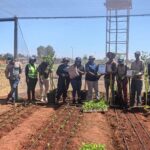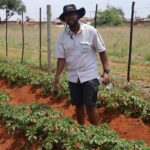
Tosca in the North West province took centre stage as South Africa commemorated World Food Day 2026, bringing together government leaders, farmers, community members and development partners to address food security and the future of sustainable agriculture. The national event highlighted the essential role farmers play in producing safe, nutritious food, supporting rural livelihoods and strengthening the country’s agricultural economy. Minister of Agriculture Willie Aucamp and North West Department of Agriculture and Rural Development MEC Madoda Sambatha led the commemoration, bringing the message of food security directly to a rural community where agricultural development and practical support remain important. Under the theme “Innovate today. Nourish tomorrow,” the event emphasised the need for solutions that help farmers improve production, manage resources responsibly and contribute to a more resilient food system. For the agricultural sector, the message was clear. Food security depends not only on what farmers produce, but also on the support, infrastructure, partnerships and market opportunities that enable them to keep producing.
World Food Day, observed annually on 16 October, provides an opportunity to recognise the contribution of agriculture to global food security and raise awareness of the challenges that prevent people from accessing sufficient nutritious food. In South Africa, the observance also draws attention to the relationship between agricultural production, household affordability, rural development and the sustainability of farming businesses. The country has a diverse agricultural sector that includes commercial producers, smallholder farmers, emerging farmers and household food producers. Each group contributes to the food system in different ways, although producers face varying levels of access to finance, technology, infrastructure and markets. Rising input costs, water constraints, climate variability and market uncertainty can place additional pressure on farming operations. The commemoration in Tosca highlighted the importance of addressing these challenges through cooperation and practical agricultural support.
The choice of Tosca as the venue placed rural agriculture and community development at the centre of the national discussion. Rural communities are important to South Africa’s agricultural economy, yet farmers in these areas may face difficulties accessing reliable water supplies, agricultural services, suitable equipment and efficient routes to market. These constraints can affect production costs, productivity and the ability of farmers to maintain sustainable operations. For livestock producers and crop farmers alike, reliable infrastructure and access to relevant technical advice can make a significant difference to day-to-day decisions. Local conditions also matter, as farming practices that work in one area may not be suitable for another because of differences in rainfall, soil, available resources and production systems. Bringing national and provincial agricultural leadership to Tosca created an opportunity to focus attention on the importance of solutions that reflect the realities of rural farming communities.
The theme “Innovate today. Nourish tomorrow” is particularly relevant to farmers who must balance production demands with changing environmental and economic conditions. Agricultural innovation can include precision farming technologies, improved irrigation methods, better livestock management, soil conservation and more efficient handling of harvested produce. It can also involve straightforward changes, such as adjusting planting schedules, selecting suitable crop varieties or improving farm record-keeping to support better management decisions. The most useful innovations are those that address a specific farming challenge and deliver practical benefits without placing unnecessary financial pressure on producers. Smallholder and emerging farmers need access to affordable technologies, training and reliable agricultural information so they can assess which approaches are suitable for their operations. Innovation must therefore be supported by investment in skills, infrastructure and agricultural extension services if it is to contribute meaningfully to food security.
Water management remains an important consideration for farmers in the North West, where production decisions must account for local rainfall patterns and the availability of water resources. Efficient irrigation, rainwater management and appropriate soil conservation practices can help farmers use available resources more effectively. Producers who depend on rainfall must also consider how planting dates, crop selection and soil moisture management influence production risks. Livestock farmers need to plan for dependable water supplies, suitable grazing conditions and the availability of feed during difficult seasons. These decisions require an understanding of local conditions and careful planning rather than a single approach for every farm. Strengthening access to agricultural advice and practical training can help producers make informed choices that protect productivity and improve resilience.
Farmers also need reliable access to markets if agricultural production is to translate into sustainable livelihoods. Producing good-quality crops or livestock is only one part of running a successful farming operation. Producers must also manage transport, storage, grading, processing requirements and changing market prices. For smaller farmers, limited access to established buyers can make it difficult to sell produce consistently and at viable prices. Cooperation between producers, agricultural organisations, government departments and private-sector partners can help identify opportunities to improve market access and reduce avoidable losses. Better storage and transport arrangements can also help preserve product quality and ensure that more food reaches consumers. Strengthening these connections is important for building a food system that supports both farmers and the communities that depend on their produce.
Smallholder and emerging farmers are an important part of efforts to expand agricultural participation and improve food security in rural areas. However, these producers may encounter barriers when trying to secure finance, purchase inputs, access machinery or obtain technical assistance. Limited resources can restrict their ability to expand production or adopt new farming methods, even when viable opportunities exist. Targeted training, agricultural extension support and access to appropriate equipment can help address some of these challenges. Partnerships that connect emerging farmers with experienced producers can also create opportunities to exchange practical knowledge and improve farm management skills. Support programmes are most effective when they reflect the needs of individual farmers and help them build the capacity to operate sustainably over time. Strengthening these producers can contribute to rural employment, local food supplies and a more inclusive agricultural sector.
The participation of Minister of Agriculture Willie Aucamp and North West MEC Madoda Sambatha highlighted the role of national and provincial government in supporting agricultural development. Government departments can contribute through farmer training, technical advice, agricultural development initiatives and programmes aimed at strengthening rural livelihoods. Effective support also depends on understanding the challenges farmers face and ensuring that available services reach the intended beneficiaries. Producers need clear information about relevant programmes and practical guidance on how to access support. Cooperation between government, farming organisations, research institutions and private-sector partners can help improve the relevance and delivery of agricultural services. The Tosca commemoration reinforced the importance of collaboration between policymakers and the people working directly in the agricultural sector.
Food security also depends on the ability of households to afford and access the food that farmers produce. Increased agricultural production can improve food availability, but it does not automatically ensure that every household can obtain a nutritious diet. Unemployment, low household incomes and rising living costs can limit purchasing power even when food is available in local markets. This makes the relationship between agricultural productivity and economic development particularly important. A stronger farming sector can support employment and create opportunities across activities such as processing, distribution, transport and retail. Community food gardens and household production can also contribute to local food access where suitable land, water and resources are available. However, these initiatives work best alongside broader measures that address poverty, improve livelihoods and strengthen access to affordable food.
Sustainable farming practices are another important part of building long-term food security. Healthy soils, responsible water use and effective land management help maintain the natural resources that agricultural production depends on. Farmers can protect soil quality through suitable cultivation practices, crop rotation where appropriate and measures that reduce erosion. Livestock producers can support grazing sustainability through careful stocking decisions and grazing management suited to local conditions. Reducing losses during harvesting, storage and transport is equally important because food that spoils before reaching consumers represents lost production, income and resources. The right approach will depend on the farming system, available resources and local environmental conditions. By combining sound farm management with practical innovation, producers can help strengthen agricultural resilience while maintaining the productive capacity of their land.
Partnerships between farmers, government, development organisations and rural communities are essential to turning food security priorities into measurable progress. Farmers bring practical knowledge of production systems and the challenges involved in running agricultural businesses. Government can help coordinate support and establish an enabling environment for agricultural development, while research and development partners can contribute technical knowledge and training. Farming organisations can also help producers share experiences, identify common challenges and communicate their needs. These relationships need to continue beyond national commemorations and translate into practical assistance that farmers can use. Progress should be reflected in stronger production capacity, improved access to markets, better resource management and more stable rural livelihoods. Sustained cooperation can help ensure that agricultural development delivers benefits for both producers and consumers.
For farmers in Tosca and across the North West, World Food Day 2026 served as a reminder that their work is central to the country’s food security and economic resilience. The national commemoration, led by Minister Willie Aucamp and MEC Madoda Sambatha, highlighted the need to support agricultural producers, strengthen rural communities and encourage innovation throughout the food system. The theme “Innovate today. Nourish tomorrow” placed emphasis on practical improvements in farming, responsible resource management and partnerships that respond to the needs of producers. It also reinforced the importance of connecting agricultural production with reliable markets and affordable food for households. While one event cannot resolve the challenges facing the agricultural sector, it can strengthen cooperation and focus attention on the work still required. Ultimately, a food-secure South Africa depends on farmers who can produce sustainably, viable agricultural businesses, effective support systems and partnerships that give rural communities the opportunity to thrive.
Join 'Farmers Mag' WhatsApp Channel
Get the latest Farming news and tips delivered straight to your WhatsApp
CLICK HERE TO JOIN