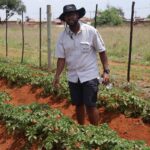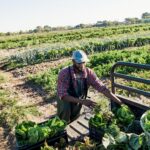


The sod-turning ceremony for Malamulele City in Malamulele, within Collins Chabane Local Municipality in Limpopo’s Vhembe District, marks an important step towards creating new economic opportunities for local farmers, businesses and surrounding communities. MEC for Agriculture and Rural Development Basikopo Makamu arrived in the area to participate in the ceremony, which celebrates a development designed to connect retail activity with agricultural production. The catalytic project is the brainchild of Dr Mike Nkuna of Masingita Group and aims to create stronger links between shopping centres and the agricultural sector. By bringing market opportunities closer to local producers, Malamulele City is intended to help smallholder farmers participate more effectively in the retail value chain. The development also places job creation, inclusive economic growth and local business participation at the centre of its vision for the region.
MEC Makamu was received by Dr Nkuna and was accompanied by Collins Chabane Local Municipality Mayor Councillor Shadrack Maluleke and Vhembe District Executive Mayor Councillor Miyelani Chauke. Their participation highlights the importance of cooperation between government, municipalities and private-sector investors in advancing development projects that can benefit local communities. Agriculture remains an important part of rural economic activity in Limpopo, providing livelihoods for farmers and contributing to the supply of food and other agricultural products. However, producers need dependable markets and opportunities to sell their goods at prices that support continued production. Projects that bring agricultural suppliers closer to established retail and commercial networks can help address some of these challenges and create opportunities for local businesses to grow.
Malamulele City is being positioned as a catalytic development because of its intended role in connecting commercial infrastructure with agriculture and community economic activity. The concept recognises that shopping centres can serve a purpose beyond providing places for consumers to purchase goods and services. With suitable arrangements, retail developments can also create opportunities for local suppliers, service providers, entrepreneurs and agricultural producers to participate in the economy. For farmers, stronger links with commercial buyers could help create more reliable routes to market and reduce some of the difficulties involved in finding customers. The project’s intended agricultural connections therefore form an important part of its broader economic development vision for Malamulele and surrounding areas.
One of the project’s key objectives is to create local market linkages for agricultural produce. Farmers often face difficulties accessing larger markets because of transport costs, inconsistent demand, strict product requirements and limited information about buyers. Smallholder farmers can be particularly affected when they lack the resources or commercial relationships needed to supply established retailers. A development that encourages local sourcing could help create new opportunities for farmers to sell their produce and build more sustainable businesses. The extent of these benefits will depend on the purchasing arrangements established, the types of produce required and the ability of farmers to meet buyers’ quality, volume and delivery expectations.
Integrating smallholder farmers into the retail value chain could have wider benefits for agricultural development in the Vhembe District. Access to retail markets can encourage farmers to improve production planning, manage the quality of their products and organise harvesting around customer demand. More consistent market opportunities may also give producers greater confidence to invest in their farms, subject to their financial capacity and the commercial terms available to them. Local retailers could benefit from access to agricultural products supplied by nearby producers, while farmers could gain a clearer understanding of market needs. For this relationship to work effectively, farmers may require ongoing support with production techniques, packaging, storage, food safety and delivery logistics.
The project’s focus on agriculture also creates an opportunity to strengthen the relationship between rural production and commercial development. When farmers have access to suitable markets, agricultural activity can generate income that circulates through local communities and supports other businesses. Increased demand for locally produced goods may create opportunities for transport operators, packaging suppliers, agricultural input businesses and other service providers. Stronger local supply chains can also help communities retain more economic activity within their own areas. These potential benefits depend on practical implementation, meaningful participation by local producers and commercial partnerships that can be sustained over time.
Job creation is another important objective associated with Malamulele City. Large commercial developments can generate employment through construction and, once operational, through retail, maintenance, administration, security and other services. Agricultural market linkages may also support work across the food supply chain, from production and harvesting to sorting, packing and transportation. These opportunities could help local residents gain work experience, earn incomes and participate in the area’s economic development. However, the number and type of jobs created will depend on the scale of the development, the businesses operating within it and the extent to which local recruitment and supplier participation are prioritised.
Inclusive economic growth requires more than attracting investment or establishing commercial infrastructure. It also involves ensuring that smaller businesses, emerging farmers and local communities have a realistic opportunity to benefit from new economic activity. For agricultural producers, this means that market access arrangements should be clear, practical and suited to the capacities of different farming operations. Support may be needed to help farmers coordinate supply, maintain consistent quality and respond to the demands of commercial buyers. By linking development plans with the needs of local producers, Malamulele City could contribute to a more connected regional economy in which agricultural activity and retail trade reinforce one another.
The participation of Dr Mike Nkuna, MEC Basikopo Makamu and the municipal leadership reflects the role that partnerships can play in advancing development in Limpopo. Private-sector investment can provide commercial infrastructure and create business opportunities, while government and local authorities can help coordinate development priorities and support participation by local communities. The Department of Agriculture and Rural Development has an important role in helping farmers strengthen their production capacity and prepare for market opportunities. Effective cooperation could help identify suitable local suppliers, address barriers to participation and connect agricultural support programmes with emerging commercial demand. Continued engagement among the project developers, government, municipalities and farming communities will be important in turning the project’s objectives into tangible benefits.
MEC Makamu is expected to deliver the keynote address at the sod-turning ceremony, providing an opportunity to highlight the importance of agriculture in local economic development. His participation places attention on the potential for agricultural producers to benefit from investments that create stronger connections between farms and markets. For communities in Malamulele and the wider Vhembe District, the project represents an opportunity to explore how commercial development can support farming, enterprise development and employment. Its success will depend not only on the development itself, but also on whether local farmers can access the market opportunities it is intended to create. Clear communication about supplier requirements, continued agricultural support and practical partnerships will be essential to making these opportunities accessible.
The sod-turning ceremony for Malamulele City signals an ambition to connect commercial investment with agricultural growth and broader community development in Limpopo. By bringing together the vision of Masingita Group, the involvement of provincial and municipal leadership, and a focus on local agricultural market access, the project aims to create opportunities for farmers and businesses in the Vhembe District. Its emphasis on integrating smallholder farmers into the retail value chain could help address market access challenges and encourage stronger local supply networks. The anticipated contribution to job creation and inclusive growth will ultimately depend on how effectively the project translates its objectives into real opportunities for residents and agricultural producers. As development progresses, meaningful local participation and sustained cooperation will be key to ensuring that Malamulele City delivers lasting economic value for Malamulele and surrounding communities.
Join 'Farmers Mag' WhatsApp Channel
Get the latest Farming news and tips delivered straight to your WhatsApp
CLICK HERE TO JOIN