
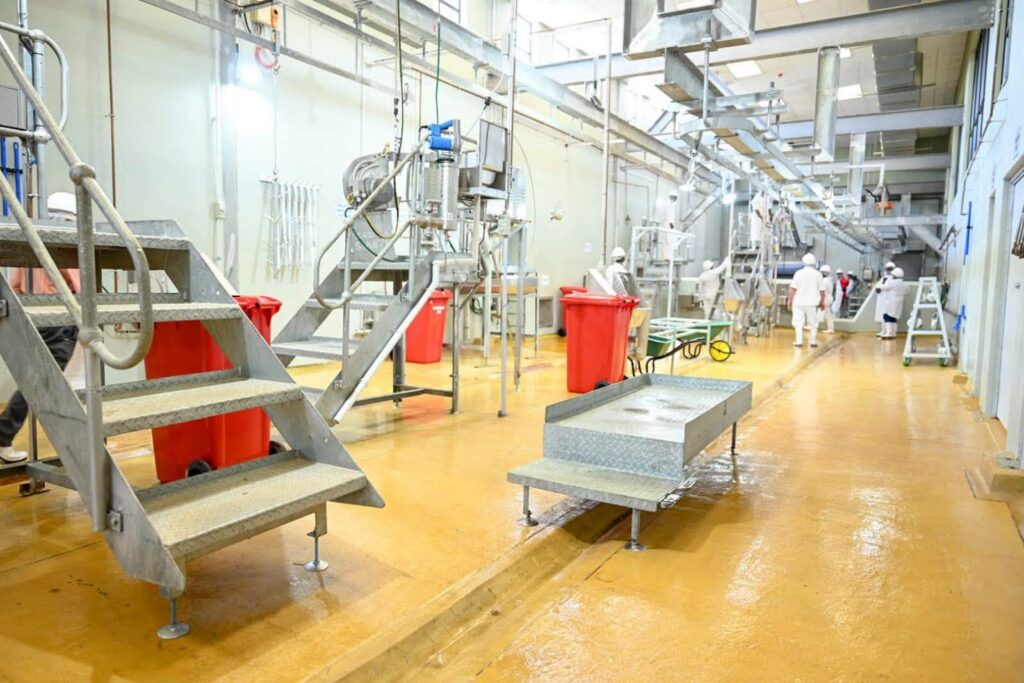
The revitalisation of the Bhambanana Abattoir in Jozini marks an important step towards improving market access for communal farmers and strengthening agricultural development in KwaZulu-Natal. After years of being unable to operate because of non-compliance with Veterinary Public Health requirements, the facility has undergone rehabilitation and is moving closer to serving livestock producers in the surrounding communities. KwaZulu-Natal MEC for Agriculture and Rural Development, Mrs Thembeni kaMadlopha-Mthethwa, has officially received the technical report on the revitalised infrastructure, marking a significant milestone in efforts to restore the abattoir. The project aims to provide communal farmers with a more accessible route to formal livestock markets while supporting rural employment and economic activity. Once an operator has been appointed and the facility is officially launched, the abattoir is expected to play an important role in connecting local livestock production with reliable slaughtering and marketing services.
MEC kaMadlopha-Mthethwa said the revival of the Bhambanana Abattoir was a direct mandate from KwaZulu-Natal Premier Thami Ntuli when she took office in June 2024. She explained that restoring the facility was one of three key instructions she received when appointed to lead the department. These priorities included providing dipping chemicals to farmers, intensifying household food security campaigns through mechanisation and reviving the Bhambanana Abattoir infrastructure. The MEC described the rehabilitation as a promise she was determined to fulfil, highlighting the importance of delivering practical support to farming communities. Her remarks placed the project within the provincial government’s wider efforts to strengthen agricultural services, improve rural livelihoods and create better opportunities for farmers to participate in the agricultural economy.
The abattoir rehabilitation was undertaken by ECA Consulting at a cost of R16.95 million, with work beginning in January 2026. The investment has restored infrastructure that had remained unable to operate for years because it did not meet Veterinary Public Health requirements. Such compliance is essential for protecting animal health, maintaining hygienic slaughtering conditions and ensuring that meat intended for human consumption is handled safely. For an abattoir to serve farmers and buyers effectively, its infrastructure and operating procedures must meet the applicable standards. The completed rehabilitation therefore represents an important step towards restoring the facility’s intended role, although the appointment of an operator and the planned official launch remain necessary milestones before it can begin full commercial operations.
Once operational, the Bhambanana Abattoir is expected to process approximately 20 cattle per day, with the potential to increase capacity to 50 cattle daily through expansion. The facility will also have the capacity to process 100 small livestock animals, providing an additional service for farmers who raise sheep, goats and other eligible small stock. This planned capacity could create more options for communal livestock producers who need access to formal slaughtering facilities. Local access may help reduce some of the logistical challenges associated with transporting animals to more distant facilities, depending on farmers’ locations and the services offered by the appointed operator. The extent of the benefits will depend on efficient management, consistent demand, compliance with operating standards and the ability of farmers to supply animals that meet the required specifications.
For communal farmers in Jozini and surrounding areas, the abattoir has the potential to strengthen participation in the formal livestock value chain. Many livestock producers depend on cattle and small stock for household income, savings and financial security. However, converting livestock ownership into dependable income can be difficult when farmers have limited access to formal markets, suitable transport and recognised slaughtering services. A functioning abattoir can help bridge part of this gap by providing an established facility where eligible animals can be processed for sale through appropriate market channels. Better access to slaughtering infrastructure can also support stronger relationships between livestock producers, traders, meat retailers and other buyers.
The department has also begun training farmers to ensure their cattle meet the standards required for slaughter at the facility. This preparation is important because market access depends on more than simply having animals available for sale. Farmers need to understand animal health requirements, appropriate handling, body condition, market specifications and the documentation that may be required. Practical training can help producers identify animals that are ready for market and improve their planning around feeding, animal health and sales. By preparing farmers before the abattoir becomes fully operational, the department aims to improve their readiness to use the facility and participate in formal livestock markets.
Another priority is supporting the establishment of local feedlots for weaner calves before they are taken for slaughter. Feedlots can help farmers manage animal growth and feeding under controlled conditions, although their success depends on suitable infrastructure, feed availability, water supply, animal health management and sound financial planning. A well-managed feeding operation may help producers prepare animals to meet buyer specifications more consistently. Local feedlot development could also create additional business opportunities linked to feed supply, livestock transport and animal care. The department’s stated intention to assist with these developments signals an approach that considers livestock production and market preparation alongside the restoration of slaughtering infrastructure.
The project has already generated employment opportunities for local people during its implementation, according to the MEC. The potential economic benefits extend beyond the jobs associated with rehabilitation and future abattoir operations. A functioning facility may create demand for transport services, animal handling, cleaning, maintenance, feed supplies and other supporting activities. These opportunities could contribute to economic activity in Jozini and neighbouring communities if the abattoir attracts sufficient business and operates sustainably. Local participation in these supporting services will depend on the skills required, procurement arrangements and the commercial needs of the facility.
The revitalised Bhambanana Abattoir also forms part of KwaZulu-Natal’s broader efforts to strengthen livestock health management and respond to foot-and-mouth disease (FMD). The MEC highlighted the province’s vaccination and animal identification work, reporting that more than 1.8 million cattle had been vaccinated to date and 500,000 cattle had been ear-tagged. These measures support disease control and livestock traceability, both of which are important for protecting animal health and maintaining confidence in livestock markets. Vaccination, identification, movement controls and veterinary oversight serve different but complementary purposes in managing animal disease risks. The restored abattoir’s contribution to this work will depend on compliance with current veterinary requirements and the applicable disease-control measures.
Livestock health is a major concern for farmers because animal diseases can disrupt production, restrict the movement of animals and affect access to markets. Foot-and-mouth disease is particularly significant because outbreaks can lead to movement restrictions and substantial economic pressure across the livestock industry. Farmers therefore need to work closely with veterinary authorities, follow applicable movement requirements and maintain accurate animal identification records. Facilities that operate in accordance with veterinary and public health standards can form part of a more organised livestock marketing system. However, the reopening of an abattoir does not remove the need for continued disease surveillance, vaccination where directed and strict compliance with animal health regulations.
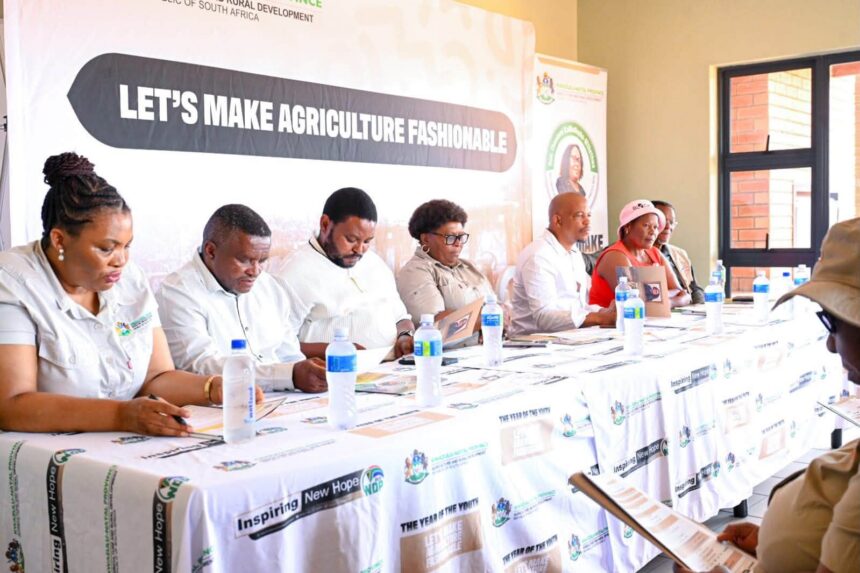
MEC kaMadlopha-Mthethwa thanked Head of Department Dr Fikile Qwabe, the leadership of the Agribusiness Development Agency, local municipal councils and traditional leadership for their involvement in the project. Their participation reflects the need for cooperation between provincial government, agricultural institutions and local communities when developing infrastructure intended to support rural economies. Municipal structures and traditional leadership can help strengthen communication with farming communities and encourage local ownership of public assets. Agricultural development agencies can also contribute to the broader environment needed for farmers and agribusinesses to grow. Continued coordination among these stakeholders will be important as the abattoir moves from rehabilitation towards operational readiness.
The MEC also urged local communities to protect the Bhambanana Abattoir as a public asset. Maintaining the facility will be essential to preserving the value of the R16.95 million rehabilitation investment and ensuring that farmers can benefit from the infrastructure over time. Damage, neglect or poor management could undermine the project’s purpose and limit its contribution to local economic development. Community support, effective management and compliance with operational requirements will all influence the facility’s long-term performance. Farmers and local stakeholders also have an interest in ensuring that the abattoir operates transparently and provides services that respond to the needs of the livestock sector.
The official launch of the Bhambanana Abattoir is planned for early 2027, after an operator has been appointed. This means the handover of the technical report represents an important stage in the project’s progress rather than confirmation that commercial slaughtering has already begun. The appointment process and the preparations that follow will be central to establishing a facility that can operate reliably and meet the required standards. Farmers will also need clear information about operating dates, booking procedures, pricing, animal acceptance criteria and any documentation required before bringing livestock for slaughter. Effective communication will help producers plan their sales and make informed decisions about using the facility.
The revitalisation of the Bhambanana Abattoir represents a significant opportunity to strengthen communal livestock farming, improve market access and support rural economic development in KwaZulu-Natal. The R16.95 million rehabilitation has restored the infrastructure needed to move towards operations, with planned capacity for cattle and small stock and additional support through farmer training and proposed feedlot development. Its connection to livestock health management also highlights the importance of maintaining veterinary compliance and responsible animal handling. However, the project’s long-term success will depend on appointing a capable operator, maintaining the facility and ensuring that farmers can access its services on fair and practical terms. If these priorities are addressed, the Bhambanana Abattoir could become an important link between communal livestock producers and formal markets, helping rural farmers turn their livestock into more reliable economic opportunities.
Join 'Farmers Mag' WhatsApp Channel
Get the latest Farming news and tips delivered straight to your WhatsApp
CLICK HERE TO JOIN