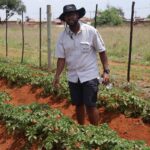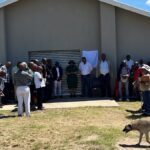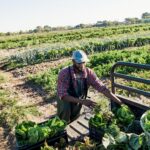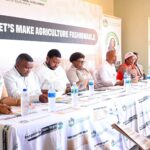

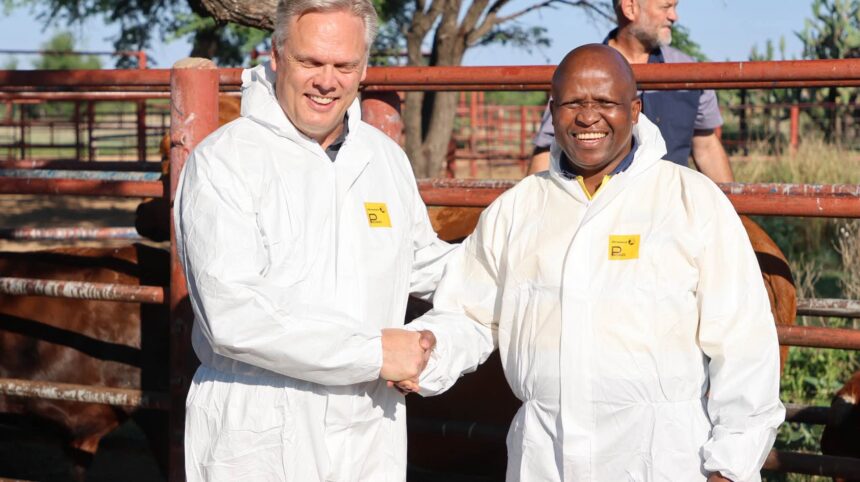
South Africa’s World Food Day observations in Tosca, within the Kagisano-Molopo Local Municipality, placed food security, sustainable agriculture and support for farming communities at the centre of the national conversation. Minister of Agriculture Willem Aucamp, MEC Madoda Sambatha and Food and Agriculture Organization (FAO) Country Representative Dr Lewis Hove led the observance, bringing attention to the importance of protecting livelihoods and strengthening the agricultural sector. Activities included livestock vaccination, dipping and ear-tagging, demonstrating the role of animal health in maintaining productive and resilient farming operations. The initiative also highlighted contributions from private-sector partners aimed at helping communities improve their agricultural activities and access essential resources. Together, these efforts reinforced the message that tackling food insecurity requires practical action, cooperation and sustained investment in the people who produce food.
World Food Day is observed annually on 16 October and provides an opportunity to focus on hunger, nutrition, agricultural development and the need for reliable food systems. In South Africa, these issues are closely linked to the ability of farmers and rural communities to produce food, earn an income and withstand economic and environmental pressures. Agricultural development depends on more than land and labour, as farmers also need access to water, equipment, healthy livestock, suitable markets and effective support services. When these resources are limited, farming households can struggle to maintain production and meet their own needs. The activities in Tosca highlighted the value of combining agricultural support with broader efforts to strengthen food security and improve rural livelihoods.
The participation of Minister Willem Aucamp, MEC Madoda Sambatha and FAO Country Representative Dr Lewis Hove underlined the importance of cooperation between public institutions and organisations working to improve food security. Government plays a significant role in supporting agricultural development, coordinating services and creating conditions that allow farmers to operate more effectively. The FAO brings an international focus on food security, nutrition and sustainable agricultural practices, while local communities understand the specific challenges affecting their livelihoods. Bringing these perspectives together can help ensure that agricultural programmes respond to the needs of the people they are intended to support. The World Food Day observance in Tosca provided an opportunity to draw attention to these shared responsibilities and the importance of practical support for farming communities.
Livestock health was a central part of the day’s activities, with cattle receiving vaccination, dipping and ear-tagging. These practices are important for farmers who depend on livestock for income, household security and agricultural production. Vaccination helps protect animals against targeted infectious diseases, while dipping is commonly used to control external parasites such as ticks, which can affect animal health and productivity. Ear-tagging supports livestock identification and record-keeping, helping farmers distinguish animals and manage their herds more effectively. When these measures are carried out consistently and alongside appropriate veterinary guidance, they can contribute to healthier livestock and reduce risks that may threaten farmers’ livelihoods.
Disease prevention is particularly important in livestock farming because animal illnesses can result in financial losses, reduced productivity and restrictions on the movement or sale of animals in certain circumstances. Healthy cattle are valuable assets for farming households, and protecting them helps preserve the economic contribution livestock makes to rural communities. Effective animal health management also supports the wider agricultural value chain, including livestock traders, transporters, processors and other businesses that depend on reliable production. Vaccination programmes and other preventative measures are most effective when supported by regular monitoring, sound farm management and access to veterinary services. The activities in Tosca therefore drew attention to the connection between animal welfare, agricultural productivity and the long-term sustainability of livestock farming.
Private-sector contributions formed another important part of the World Food Day initiative, reflecting the role businesses can play in supporting agricultural development and community livelihoods. ZZ2 donated 800 pallets of tomato boxes, while Oceana, Tiger Brands and several other food manufacturers also contributed to the initiative. These contributions demonstrate how businesses operating in the agricultural and food sectors can participate in efforts to address food insecurity and support communities. Agricultural resources and food-related contributions can help beneficiaries strengthen their activities, although the specific benefits will depend on how the support is distributed and used. Collaboration between businesses, government and local communities can help connect available resources with practical needs and improve the reach of development initiatives.
The donation of 800 pallets of tomato boxes by ZZ2 is particularly relevant to agricultural activities that require suitable containers for handling and transporting produce. Appropriate packaging can help farmers organise their harvests, reduce damage during handling and prepare produce for movement through the supply chain. However, the overall value of such support depends on the needs of the intended beneficiaries and whether the boxes are suitable for their crops and operations. Contributions from food manufacturers such as Oceana and Tiger Brands further illustrate the potential for companies to support initiatives beyond their immediate commercial activities. When private-sector involvement is coordinated with local agricultural priorities, it can help strengthen the practical support available to farming communities.
Selected beneficiaries will also receive JoJo water tanks, pumping equipment and mini generators to support their agricultural activities and improve access to water. Reliable water access is essential for many farming operations, including irrigation, livestock care and the maintenance of small-scale agricultural production. Water tanks can provide storage that helps households and farmers manage available supplies, while pumping equipment can assist with moving water where it is needed. Mini generators may provide an additional source of power for certain agricultural tasks, depending on the equipment used and the energy requirements of each operation. Together, these resources can help address practical barriers to production, particularly where water and reliable electricity are difficult to access, although long-term benefits will also depend on maintenance, fuel or operating costs and the availability of a sustainable water source.
Access to water remains an important consideration for agricultural development, especially in communities where farmers face constraints in maintaining consistent production. Without a reliable supply, growers may struggle to establish crops, protect yields during dry periods or provide sufficient water for livestock. Suitable storage and pumping systems can improve how available water is managed, but equipment alone cannot resolve every water-related challenge. Beneficiaries also need guidance on responsible water use, proper equipment maintenance and planning for periods of limited supply. Combining material support with agricultural advice can help communities make better use of resources and improve the resilience of their farming activities over time.
The World Food Day activities in Tosca also highlighted the importance of making agricultural support useful and accessible to the communities that need it. Donations and livestock services can make a meaningful contribution, but their long-term impact depends on whether they address local priorities and help beneficiaries maintain or expand productive activities. Farmers may need continued access to extension services, veterinary assistance, agricultural inputs, water infrastructure and opportunities to sell their products. Clear communication with beneficiaries and follow-up support can help identify any additional challenges that arise after resources have been distributed. These measures can help turn one-day activities into longer-term progress in agricultural development and rural livelihoods.
The involvement of government, the private sector and local communities reflects the shared responsibility involved in strengthening South Africa’s food systems. Government support can help coordinate agricultural services and address wider development needs, while private businesses can contribute equipment, materials and other resources. Farmers and community members bring practical knowledge of local conditions and play a central role in ensuring that assistance is used effectively. Cooperation among these groups can make agricultural initiatives more responsive, particularly when support is guided by local needs and followed by ongoing engagement. Strong partnerships are therefore an important part of building food systems that can withstand economic pressure, environmental challenges and disruptions to production.
The World Food Day observance in Tosca placed food security, livestock disease prevention and agricultural support firmly on the agenda. Led by Minister Willem Aucamp, MEC Madoda Sambatha and FAO Country Representative Dr Lewis Hove, the activities combined cattle vaccination, dipping and ear-tagging with private-sector contributions intended to support agricultural livelihoods. ZZ2’s donation of 800 pallets of tomato boxes, alongside contributions from Oceana, Tiger Brands and other food manufacturers, demonstrated the potential value of cooperation across the food sector. The planned distribution of JoJo water tanks, pumping equipment and mini generators to selected beneficiaries also highlighted the importance of practical resources in supporting agricultural production and water access. Ultimately, strengthening food security requires more than raising awareness on World Food Day; it depends on sustained partnerships, healthy livestock, reliable resources and continued support that enables South African farming communities to build productive and resilient livelihoods.
Join 'Farmers Mag' WhatsApp Channel
Get the latest Farming news and tips delivered straight to your WhatsApp
CLICK HERE TO JOIN