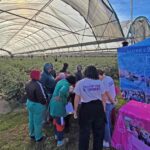

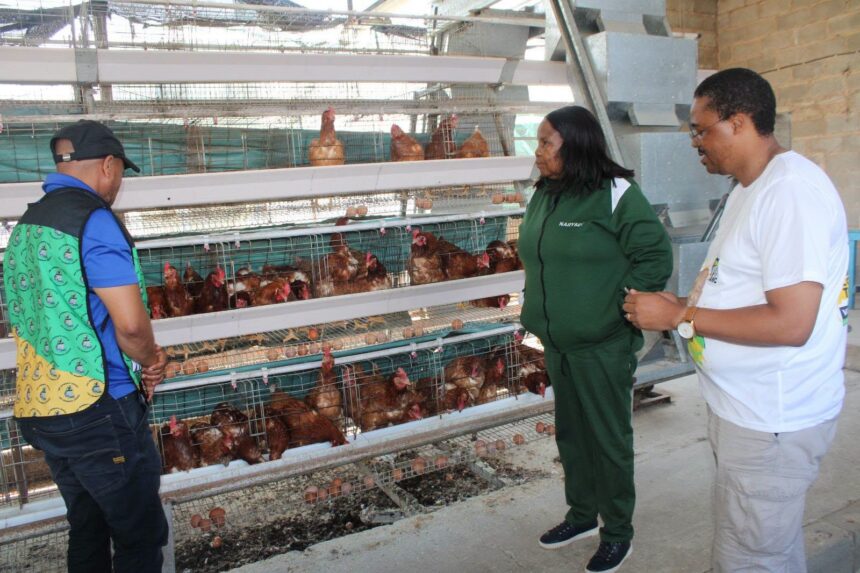
Deputy Minister of Agriculture Nokuzola Capa visited EC Poultry and Vegetables, an aspiring youth-owned agricultural enterprise operating in the King Sabata Dalindyebo (KSD) Local Municipality in the OR Tambo District of the Eastern Cape. Run by five young farmers, the enterprise is building its presence through poultry farming and vegetable production, demonstrating how young people can participate in agriculture and contribute to local food production. The visit highlighted the importance of creating opportunities for youth to enter the agricultural sector, develop sustainable businesses and build livelihoods through farming. It also drew attention to the potential of youth-led agricultural enterprises to support food security, create employment and contribute to economic development in local communities. As South Africa continues to focus on agricultural growth and rural development, initiatives such as EC Poultry and Vegetables demonstrate the value of encouraging young entrepreneurs to turn their farming ambitions into productive businesses.
EC Poultry and Vegetables represents an example of young people taking an active role in agricultural entrepreneurship in the Eastern Cape. The enterprise combines poultry farming with vegetable production, allowing the five young farmers to pursue different areas of agricultural activity within one business. Both activities contribute to the production of food for local markets and communities, although the scale of the enterprise and its current production capacity were not specified. By establishing a farming business, the young entrepreneurs are participating in a sector that plays an important role in food production and rural economic activity. Their efforts also highlight the opportunity for young people to view agriculture not only as a source of food but also as a potential pathway to business ownership and long-term economic independence.
Deputy Minister Capa’s visit placed a spotlight on the importance of supporting youth-owned farming businesses as part of broader efforts to strengthen agricultural development. Young farmers can face several barriers when starting and expanding agricultural enterprises, including limited access to finance, land, equipment, infrastructure and reliable markets. Building a successful farming business also requires practical knowledge of production methods, business management, budgeting and customer relationships. Access to agricultural training, mentorship and appropriate support services can help young entrepreneurs develop the skills needed to manage these challenges. Although each farming enterprise has different needs, targeted assistance can help promising businesses improve their operations and work towards long-term sustainability.
Poultry farming offers young entrepreneurs an opportunity to participate in food production through the raising of birds for meat or egg production, depending on the type of operation. Successful poultry enterprises require careful attention to animal health, suitable housing, feeding, hygiene and disease prevention. Farmers must also understand their production costs and identify dependable buyers to ensure that their operations remain financially viable. Vegetable farming brings its own requirements, including access to suitable land, water, quality seeds, soil management and effective pest control. Combining poultry and vegetable production can provide a broader range of agricultural activities, but the benefits depend on sound planning, available resources and the ability to reach customers consistently.
Food security remains an important consideration in agricultural development because communities need reliable access to sufficient, safe and nutritious food. Local farming enterprises can contribute to food availability by producing agricultural products closer to the communities they serve. Poultry products and fresh vegetables can form part of a varied diet, while local production can create opportunities for farmers to supply households, retailers, traders and other potential customers. However, the actual contribution of an individual enterprise depends on its production volumes, distribution arrangements and access to markets. Supporting youth-owned farms such as EC Poultry and Vegetables can help strengthen local food production while creating opportunities for young people to participate in the agricultural value chain.
Youth participation in agriculture also has the potential to support job creation and strengthen rural economies. When a farming business grows, it may create opportunities for additional workers and generate demand for related services such as transport, packaging, feed supply and the distribution of produce. These activities can contribute to economic activity beyond the farm itself. For young entrepreneurs, building a viable agricultural business can also create a source of income and provide practical experience in managing an enterprise. The extent of these benefits depends on the business’s ability to grow sustainably, manage its finances and maintain demand for its products.
The experience of EC Poultry and Vegetables highlights the importance of helping young farmers move from agricultural ambition to sustainable business operations. Access to suitable funding can help entrepreneurs purchase equipment, obtain inputs and improve production facilities. Technical assistance can strengthen their understanding of poultry management and vegetable cultivation, while business development support can help them calculate costs, set prices and plan for expansion. Market access is equally important because producing food does not automatically guarantee a profitable business. Connecting young farmers with buyers, agricultural networks and relevant support programmes can help them identify opportunities and make informed decisions about the future of their enterprises.
Agricultural development in rural municipalities such as King Sabata Dalindyebo can benefit when local entrepreneurs have opportunities to build productive businesses and participate in the wider economy. Small and emerging farms can contribute to local supply chains by producing food, purchasing agricultural inputs and developing relationships with customers and service providers. For youth-owned enterprises, these connections can help establish a stronger commercial foundation and create opportunities for future growth. Continued investment in agricultural skills, infrastructure and business support can help young farmers address practical challenges and improve their prospects of remaining active in the sector. Such support is particularly relevant for aspiring entrepreneurs who are working to establish themselves in agriculture and contribute to the development of their communities.
Deputy Minister Capa’s visit to EC Poultry and Vegetables therefore highlighted the role that young farmers can play in agricultural development, local food production and rural economic growth. The enterprise, managed by five young people in the OR Tambo District, demonstrates their initiative in pursuing opportunities through poultry farming and vegetable production. Its development also reinforces the importance of practical support that enables emerging agricultural businesses to strengthen their operations, reach markets and build sustainable livelihoods. With suitable resources, technical guidance and access to customers, youth-owned farming enterprises can work towards creating employment and contributing to food security. Encouraging and supporting young people in agriculture is an important step towards building a more inclusive agricultural sector and creating opportunities for the next generation of South African farmers.
Join 'Farmers Mag' WhatsApp Channel
Get the latest Farming news and tips delivered straight to your WhatsApp
CLICK HERE TO JOIN