
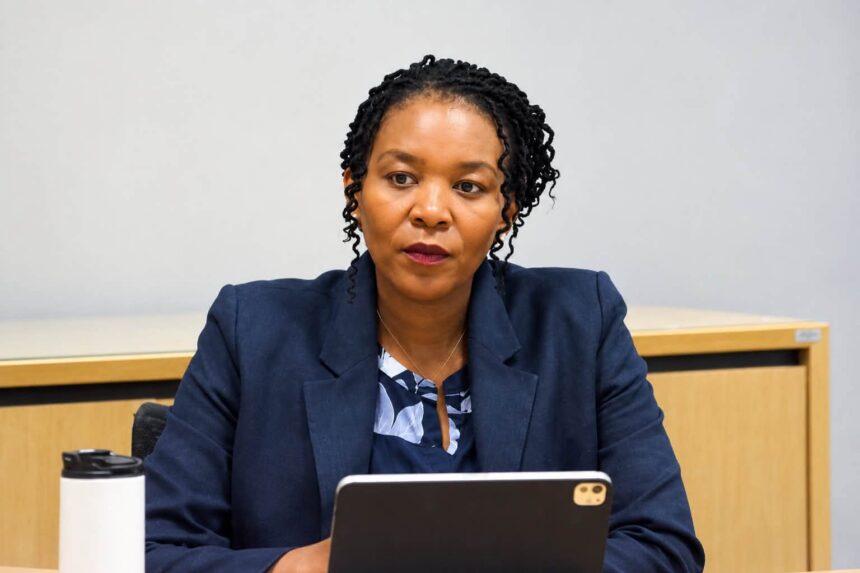
The Gauteng Department of Agriculture and Rural Development (GDARD) has hosted an Informal Traders Listening Session to engage with traders, understand the challenges they face and explore opportunities to strengthen their businesses. The session provided a platform for informal traders to share their experiences and discuss the support they need to grow their businesses. Their participation is important to the agricultural sector because informal traders help connect farmers with consumers, particularly in local communities. By creating opportunities for direct engagement, the department aims to better understand the needs of traders operating within agricultural and food value chains. The initiative highlights the importance of building stronger relationships between government, farmers and the people who help bring agricultural products to market.
Informal traders play an important role in the food supply chain by selling fresh produce and other essential food products to households and communities. For many small-scale farmers, these traders can provide an accessible route to market, helping them reach customers beyond traditional retail outlets. Stronger links between farmers and informal traders can create opportunities for both groups to grow their businesses and improve their livelihoods. Farmers may benefit from reliable local buyers, while traders can gain access to fresh produce that meets the needs of their customers. Improving these connections can help strengthen local food markets and support economic activity within communities across Gauteng.
The listening session also created an opportunity to discuss the difficulties informal traders encounter in their daily operations. Challenges relating to suitable trading spaces, access to finance, business development and support services can affect their ability to operate effectively and expand their businesses. For traders working with fresh produce, reliable access to stock and efficient distribution are also important considerations. Addressing these challenges can help improve the movement of agricultural products from farms to local markets. Better coordination across the food value chain can also create a more supportive environment for farmers and traders, particularly those operating small businesses.
Engagement between the department and informal traders is important in identifying practical ways to strengthen the agricultural economy. Listening directly to traders allows officials to gain a clearer understanding of the barriers they face and the opportunities available to improve their operations. This approach can help ensure that discussions about agricultural development reflect the experiences of people working at different stages of the food value chain. It also recognises that a successful agricultural sector depends not only on production but also on effective marketing, distribution and access to consumers. Continued dialogue can help identify areas where cooperation and appropriate support may improve business sustainability.
For farmers, stronger relationships with informal traders could offer valuable opportunities to expand local market access and build lasting business partnerships. Consistent communication about product quality, supply volumes, pricing and delivery arrangements can help both parties plan more effectively. These relationships are particularly important for fresh produce, where timely sales and distribution can help limit waste and preserve product quality. Working together can also help farmers better understand consumer demand and enable traders to source products that appeal to their customers. Strengthening these links can contribute to more inclusive agricultural value chains that create opportunities for businesses of different sizes.
The Gauteng Department of Agriculture and Rural Development’s Informal Traders Listening Session underscores the value of placing traders’ experiences at the centre of discussions about business support and agricultural development. Informal traders are an important part of the wider food economy, helping move agricultural products from producers to consumers and supporting livelihoods in local communities. Strengthening their participation in agricultural value chains can create shared opportunities for farmers, traders and consumers. Continued engagement between government and businesses across the food sector will be important in identifying practical solutions to common challenges. By encouraging cooperation between producers and traders, Gauteng can work towards stronger local markets and a more connected agricultural economy.
Join 'Farmers Mag' WhatsApp Channel
Get the latest Farming news and tips delivered straight to your WhatsApp
CLICK HERE TO JOIN