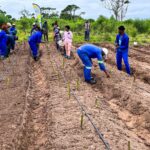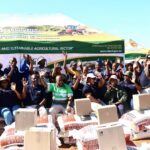

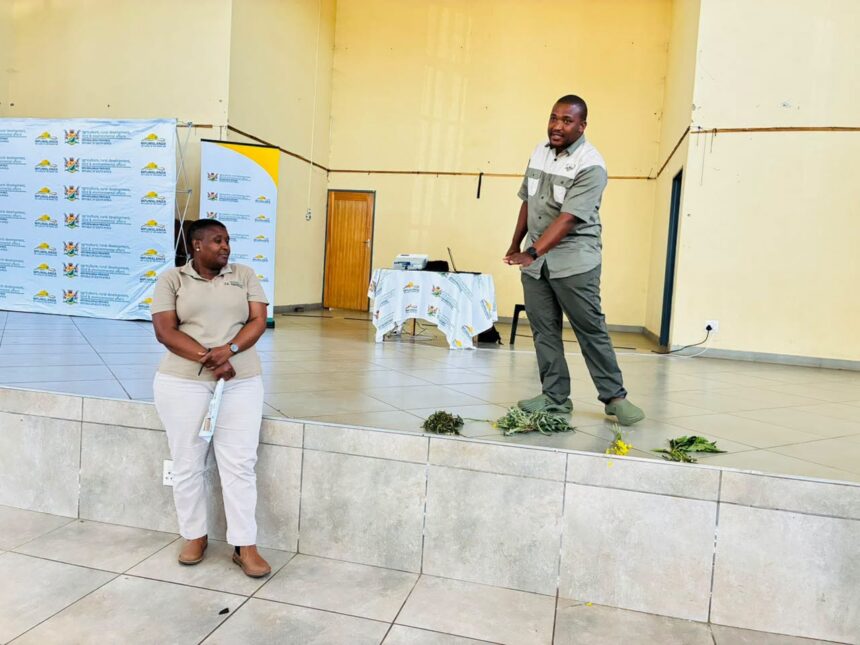
The Mpumalanga Department of Agriculture, Rural Development, Land and Environmental Affairs (DARDLEA) has hosted a LandCare Awareness Day at Sakhelwe Community Hall in Dullstroom to promote sustainable veld management and soil conservation among farmers in and around Emakhazeni Local Municipality. The event focused on improving veld conditions, restoring degraded land and encouraging farming practices that protect natural resources. Healthy veld is essential for livestock farmers because it provides natural grazing, supports biodiversity and helps maintain the ecological balance of the land. When grazing areas are poorly managed, vegetation can deteriorate, soil erosion can increase and the land may become less productive. Through this initiative, DARDLEA aimed to raise awareness of practical ways farmers can protect their land and maintain its long-term agricultural value.
The department’s LandCare Directorate team shared guidance on veld management practices that can help farmers improve grazing conditions and prevent further land degradation. These practices included rotational grazing, controlling invasive alien plants, preventing soil erosion and rehabilitating degraded veld. Each approach contributes to protecting the natural resources on which livestock farming depends. Applying suitable veld management practices can help maintain vegetation cover, protect soil quality and support the recovery of grazing areas. The awareness day encouraged farmers to incorporate these measures into their daily farming operations to improve land condition and promote sustainable agricultural production.
Rotational grazing was highlighted as an important practice for managing grazing pressure and allowing vegetation to recover. This approach involves moving livestock between grazing camps or sections of land so that previously grazed areas have time to regrow. When planned according to veld condition, available grazing and livestock requirements, rotational grazing can help reduce overgrazing and maintain healthier vegetation. Farmers should regularly assess the condition of their grazing areas and adjust livestock movements when vegetation shows signs of stress. Giving veld sufficient time to recover can help protect grazing resources and support livestock production over the long term.
The control of invasive alien plants is another important part of sustainable veld management. These plants can spread across grazing land, compete with indigenous vegetation and alter the natural functioning of the environment. In some areas, invasive plants can reduce the land available for livestock grazing and increase the work required to maintain productive farming areas. Farmers can help limit their spread by identifying problem plants early and using appropriate control methods suited to the species and local conditions. Consistent management can support the recovery of indigenous vegetation and help protect the ecological health of agricultural land.
Soil conservation and erosion prevention were also key themes of the LandCare Awareness Day. Soil erosion occurs when wind or water removes the fertile topsoil needed for healthy plant growth, reducing the land’s ability to support vegetation. Bare ground, excessive grazing and unmanaged water runoff can increase the risk of soil loss, particularly on slopes and other vulnerable areas. Maintaining vegetation cover, managing grazing pressure and addressing erosion-prone sections of land can help protect soil structure and fertility. By taking preventative action early, farmers can reduce the risk of further land degradation and preserve the productive potential of their farms.
Rehabilitating degraded veld is equally important for restoring grazing resources and improving the condition of damaged land. Veld may deteriorate when grazing pressure is too high, vegetation is repeatedly disturbed or soil erosion removes the fertile layer needed for regrowth. Effective rehabilitation requires farmers to assess the cause and severity of the damage before selecting suitable management measures. These may include reducing grazing pressure, allowing vegetation to recover, improving ground cover and addressing areas affected by erosion. Ongoing monitoring is essential to determine whether the land is recovering and whether further management changes are needed.
Alongside land management, DARDLEA’s Veterinary Services team addressed animal health and the importance of preventing livestock diseases. Farmers received information on disease prevention, the early detection of symptoms and the role of vaccination in protecting animals. Recognising unusual behaviour, changes in feeding patterns or other signs of illness can help farmers seek veterinary assistance promptly. Vaccination programmes should be planned with veterinary professionals according to the diseases of concern, local risks and the needs of the livestock. Combining early detection with appropriate preventive care can help reduce avoidable animal health problems and protect farm productivity.
Good veld management and effective animal health practices work together to support sustainable livestock farming. Animals depend on suitable grazing resources, while farmers rely on healthy livestock to maintain productive and financially viable operations. Poor grazing conditions can place additional pressure on livestock, making careful land and herd management especially important. Farmers can strengthen their operations by monitoring veld condition, managing stocking rates responsibly and seeking professional advice when animal health concerns arise. Taking a balanced approach to land conservation and livestock care helps protect the resources that farming businesses depend on.
The LandCare Awareness Day in Dullstroom highlighted the importance of equipping farmers with knowledge that supports responsible land management and sustainable agricultural production. Through its presentations on rotational grazing, invasive alien plant control, soil conservation, veld rehabilitation and livestock health, DARDLEA encouraged farmers to take practical steps towards improving their farming practices. Protecting veld and soil requires consistent attention, informed decisions and management methods suited to local conditions. By conserving grazing resources and maintaining healthy livestock, farmers can help safeguard their livelihoods while protecting the land for future generations. The initiative reinforces the value of farmer education and sustainable veld management in building a more resilient agricultural sector in Mpumalanga.
Join 'Farmers Mag' WhatsApp Channel
Get the latest Farming news and tips delivered straight to your WhatsApp
CLICK HERE TO JOIN