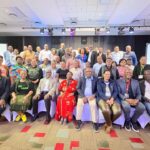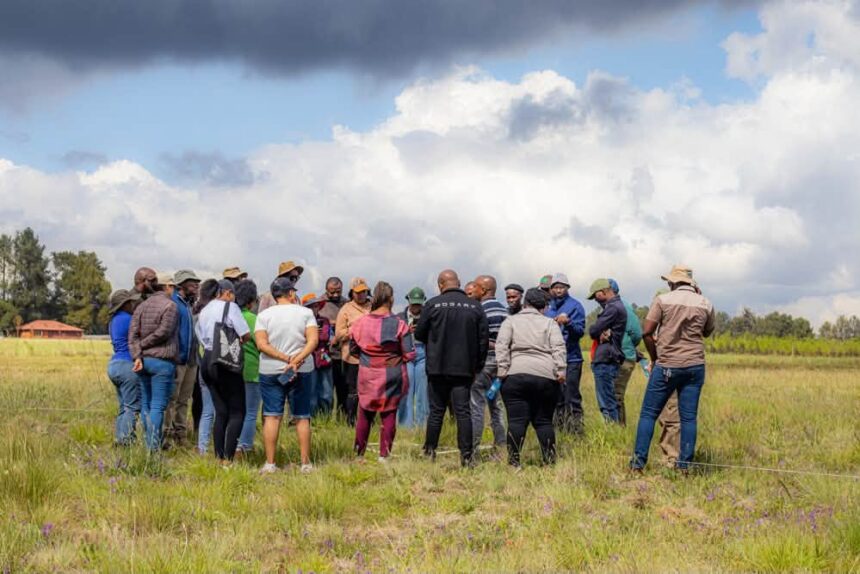
Empowering emerging livestock farmers with practical knowledge is essential for strengthening long-term food security and supporting sustainable agricultural growth in Gauteng. Livestock producers operate in an environment where changing weather conditions, seasonal feed shortages and rising production costs can place pressure on farm productivity. The ongoing Fodder Planning and Management Workshop is addressing these challenges by giving farmers practical knowledge they can apply to their own livestock operations. Facilitators and farmers are engaging in interactive discussions on strategic supplementation, fodder conservation and effective storage techniques. By improving farmers’ ability to plan, conserve and manage feed resources, the workshop is helping build stronger and more climate-resilient livestock enterprises.
Good livestock production depends on providing animals with adequate nutrition throughout the year. Beef cattle have different nutritional requirements depending on factors such as age, body condition, production stage and seasonal conditions. The availability and quality of natural grazing can also change considerably between seasons, making it important for farmers to understand how these changes affect their cattle. During periods when grazing does not provide enough nutrients, farmers may need to consider appropriate supplementary feeding based on the needs of their animals and the resources available on the farm. Understanding seasonal nutritional requirements enables producers to make more informed feeding decisions and avoid relying on emergency measures when feed resources become limited.
Strategic supplementation is an important part of effective livestock nutrition, particularly when natural forage cannot fully meet animal requirements. Supplementation should be based on the nutritional needs of the cattle and the quality and availability of existing grazing resources. Farmers who understand these factors can make better decisions about when additional feed may be required and how it should be incorporated into their broader feeding plan. This can help improve the efficient use of available feed resources while supporting animal condition and productivity. The discussions at the workshop give farmers an opportunity to explore these considerations with facilitators and apply the information to the realities of livestock farming.
Fodder conservation is another important focus because farmers need ways to preserve feed when forage is available for use during periods of lower production. Conserving suitable forage can provide an important feed reserve when seasonal grazing conditions deteriorate. Depending on local resources and farming systems, conservation methods can include practices such as haymaking or silage production, provided farmers use appropriate materials, techniques and storage conditions. The quality of conserved fodder depends on factors including harvesting, moisture management and protection from contamination or spoilage. Practical training can help farmers understand these factors and improve their ability to produce and maintain usable fodder reserves.
Proper fodder storage is closely linked to successful conservation. Producing or purchasing feed does not guarantee that it will remain in good condition until livestock need it. Poor storage can expose fodder to moisture, contamination, pests and other conditions that reduce its quality and increase wastage. Farmers therefore need to consider suitable storage facilities, protection from weather and appropriate handling practices when developing a fodder management plan. By reducing avoidable losses, effective storage can help farmers get greater value from the feed they have already produced or acquired.
The workshop creates an environment where agricultural experts and local producers can learn from one another. Technical knowledge is important, but farmers also bring valuable experience from managing livestock under local conditions. Interactive discussions allow producers to ask questions, explain challenges and compare practical approaches to feed management. Facilitators can then connect these experiences with agricultural principles and provide guidance that is relevant to the challenges farmers face. This collaborative learning process can make training more practical and easier to apply beyond the workshop.
Knowledge sharing becomes especially important when farmers face climate variability. Changes in rainfall and seasonal conditions can influence the amount and quality of forage available to livestock. A producer who plans only around favourable conditions may face serious feed shortages when those conditions change. Fodder planning encourages farmers to look ahead and consider how much feed their cattle will need, what resources are currently available and how long those resources are likely to last. This forward-looking approach can improve preparedness and help farmers respond more effectively to difficult seasons.
Climate resilience in livestock farming does not depend on a single intervention. It requires farmers to combine sound grazing management, appropriate nutrition, fodder conservation and realistic planning. Farmers also need to monitor the condition of their animals and available forage so they can adjust management decisions when conditions change. Building these skills can reduce vulnerability to seasonal feed shortages and support more consistent livestock production. The Fodder Planning and Management Workshop contributes to this process by focusing on practical knowledge that farmers can use as part of their everyday management decisions.
Emerging livestock farmers can also benefit from understanding the financial implications of fodder management. Feed can represent a significant cost in livestock production, particularly when farmers depend heavily on purchased inputs during periods of limited grazing. Better planning can help producers determine when supplementation may be necessary and avoid unnecessary purchases or excessive wastage. Conserving feed when resources are available can also reduce pressure during difficult periods, although the costs and suitability of different conservation methods must be considered for each farming operation. Stronger financial and nutritional planning can help farmers make decisions that support both livestock performance and the sustainability of their businesses.
The wider importance of this work extends beyond individual farms. Productive livestock enterprises contribute to food production and form part of the agricultural economy in rural communities. When emerging farmers have the knowledge and skills required to manage their resources effectively, they are better positioned to maintain viable production over time. Improved farm resilience can also help producers manage challenges that might otherwise disrupt livestock production. Strengthening farmer capacity is therefore an important component of broader efforts to support agricultural development and food security.
The interactive nature of the workshop also reinforces the value of continuous agricultural education. Farming practices, environmental conditions and production challenges can change, which means producers need opportunities to develop their knowledge over time. Workshops that combine practical demonstrations, technical guidance and farmer participation can help turn information into useful management skills. Farmers can take lessons from these sessions and adapt them according to their own herd size, available land, forage resources and financial capacity. This practical approach can make agricultural training more relevant to the decisions producers make every day.
Building a climate-resilient livestock sector in Gauteng requires cooperation between farmers, agricultural professionals and other stakeholders involved in agricultural development. Farmers need access to practical knowledge that helps them manage feed resources, while experts can benefit from understanding the challenges producers encounter in the field. Collaboration creates opportunities to identify workable solutions that take local conditions into account. The Fodder Planning and Management Workshop provides a space for this exchange by bringing facilitators and livestock farmers together around issues that directly affect animal nutrition and farm resilience. Such engagement can strengthen the knowledge base needed for sustainable livestock production.
Empowering emerging livestock farmers with knowledge is ultimately an investment in the future of agriculture and food security. Understanding beef cattle nutritional requirements across seasons, applying practical fodder conservation methods and improving storage practices can help producers manage one of the most important resources on a livestock farm. Strategic supplementation and forward planning can further strengthen farmers’ ability to respond to changing forage availability and climate conditions. The ongoing workshop shows how collaborative learning can connect agricultural expertise with the practical experience of local producers. By building knowledge, improving fodder management and strengthening farm-level resilience, farmers and agricultural stakeholders can work together toward a more sustainable and climate-resilient livestock sector in Gauteng.
Join 'Farmers Mag' WhatsApp Channel
Get the latest Farming news and tips delivered straight to your WhatsApp
CLICK HERE TO JOIN