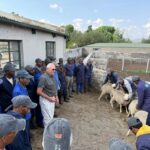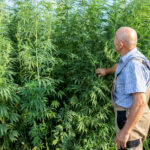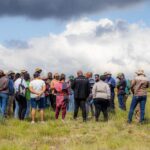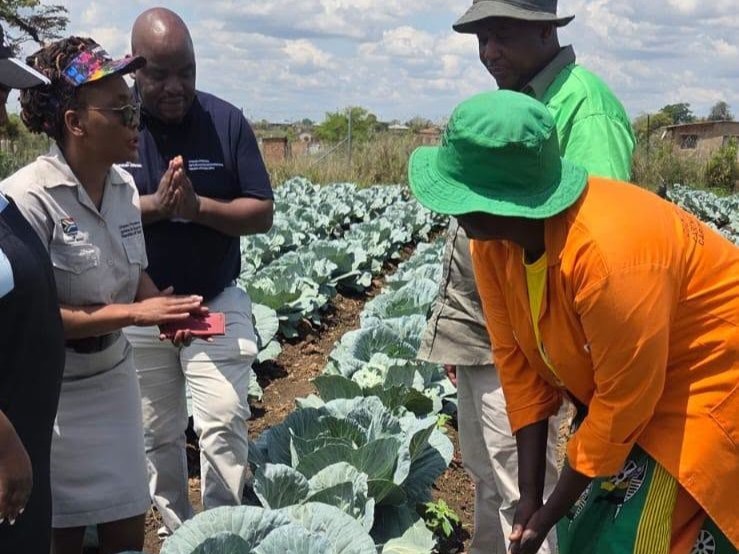
The Limpopo Department of Agriculture and Rural Development marked the Provincial Mandela Day at the Vhuthiho Primary Cooperative Project in Tshamidzi Village under Tshikonelo on 20 July 2026. The initiative focused on supporting local agricultural production and strengthening the cooperative’s ability to grow food for the surrounding community. As part of the support, the cooperative received vegetable seedlings, fertilisers, pesticides, indigenous trees and a variety of farming tools. The Department also provided ploughing services covering almost two hectares in preparation for the Mandela Day event. Seven weeks later, the results of that support are visible in a green and productive food garden where beneficiaries have already started harvesting fresh spinach.
The transformation at the Vhuthiho Primary Cooperative Project demonstrates how agricultural inputs and practical support can help communities turn available land into productive food gardens. Before production could begin effectively, the project required preparation of the land and access to suitable farming resources. The ploughing services provided by the Department helped prepare almost two hectares for cultivation. The subsequent provision of seedlings, fertilisers, pesticides and farming tools gave beneficiaries additional resources to establish and manage their crops. Together, these interventions created a foundation for the cooperative to move from preparation to active food production.
The Mandela Day initiative also highlights the importance of supporting community-based agriculture. Cooperatives can bring farmers and community members together around shared production activities and can provide a structure for managing agricultural resources. A productive food garden can contribute to household food availability while creating opportunities for beneficiaries to gain practical farming experience. The Vhuthiho project’s progress shows the potential value of combining agricultural support with the efforts of local producers. Continued commitment from beneficiaries remains essential because the long-term success of the project depends on how effectively the available resources are managed and maintained.
The first visible harvest of spinach provides an important indication of the progress made since the July event. Spinach is a commonly cultivated leafy vegetable that can provide food relatively quickly when suitable growing conditions and appropriate crop management are in place. The fact that beneficiaries are already harvesting fresh spinach shows that the project has moved beyond land preparation and input distribution into active production. Harvesting also gives farmers an opportunity to apply the practical knowledge they have gained through managing the garden. As production continues, the beneficiaries will need to maintain the crops carefully to protect yields and sustain the garden beyond the first harvest.
The next expected harvests could further expand the range of fresh produce available from the cooperative. Beneficiaries expect to harvest cabbages, beetroot, onions and tomatoes in the coming weeks. These crops have different growth requirements and harvest periods, which means their production can help maintain activity in the food garden across different stages of the growing cycle. Successful harvesting will depend on continued crop management, including appropriate irrigation, weed control, pest management and general field maintenance. The expected harvests also demonstrate how initial agricultural support can develop into a broader food production effort when farmers continue working with the resources provided.
The provision of agricultural inputs was an important part of the Department’s intervention. Vegetable seedlings provide the starting material needed to establish the crop, while fertilisers can supply nutrients required for plant growth when used appropriately. Pesticides can form part of crop protection measures where their use is suitable and follows the relevant requirements. Farming tools can support routine activities such as planting, cultivation, maintenance and harvesting. Providing several types of inputs rather than focusing on a single resource gives beneficiaries a more practical foundation for managing the production process.
Land preparation was equally important to the establishment of the project. Agricultural production requires suitable preparation before planting, and ploughing can help prepare cultivated land for planting depending on soil conditions and the farming system being used. The Department’s provision of ploughing services on almost two hectares reduced one of the practical barriers facing the cooperative before the Mandela Day event. This support allowed the project to begin its production activities on a substantial area of land. The productive use of that prepared area now provides an opportunity for the cooperative to demonstrate what can be achieved through continued cultivation and proper management.
The inclusion of indigenous trees in the support package also adds another dimension to the initiative. Indigenous trees can form part of broader environmental and community development efforts, depending on where and how they are planted and maintained. Establishing trees requires ongoing care and consideration of suitable growing conditions. Their presence alongside food production reflects an approach that combines agricultural activity with attention to the local environment. The success of this aspect of the initiative will also depend on continued maintenance by the beneficiaries and the community.
The progress made at Vhuthiho also shows why follow-up matters after agricultural inputs have been delivered. Providing resources is an important first step, but the real impact becomes clearer when beneficiaries use those resources to establish crops and produce food. Seven weeks after the Mandela Day event, the garden has developed into a productive space where harvesting has already begun. This provides a practical indication that the support has been put to productive use. Continued monitoring and appropriate agricultural guidance can help the cooperative address challenges and maintain production as the different crops reach maturity.
Food gardens can contribute to local food security by increasing the availability of fresh produce within communities. When communities grow vegetables locally, some of the food produced can support participating households, while surplus production may create opportunities for local sales where suitable markets exist. The extent of these benefits depends on production levels, the organisation of the cooperative and how harvested produce is distributed or marketed. Farmers also need to manage production costs and maintain consistent cultivation if the project is to remain productive over time. The Vhuthiho project’s early harvest provides a starting point for developing these opportunities.
The project’s progress also reflects the importance of beneficiary participation in agricultural development. Government support can provide inputs, services and other resources, but beneficiaries must carry out the day-to-day work required to maintain production. Preparing land, planting crops, caring for plants and harvesting produce all require consistent effort. The results seen at Vhuthiho indicate that the support has been accompanied by continued work by the cooperative’s beneficiaries. Maintaining that commitment will be important as the project moves towards the expected cabbage, beetroot, onion and tomato harvests.
The Vhuthiho Primary Cooperative Project provides a practical example of how targeted agricultural support can contribute to community food production. The Limpopo Department of Agriculture and Rural Development provided production inputs and ploughing services to help establish the project, while beneficiaries have continued the work required to bring the garden into production. Seven weeks after the Provincial Mandela Day initiative, fresh spinach is already being harvested from the once-supported project. The anticipated harvests of cabbages, beetroot, onions and tomatoes could further increase the volume and variety of food produced by the cooperative. If the beneficiaries continue to manage the land and resources effectively, the project can build on this early progress and strengthen its contribution to food production and livelihoods in Tshamidzi Village under Tshikonelo.
Join 'Farmers Mag' WhatsApp Channel
Get the latest Farming news and tips delivered straight to your WhatsApp
CLICK HERE TO JOIN