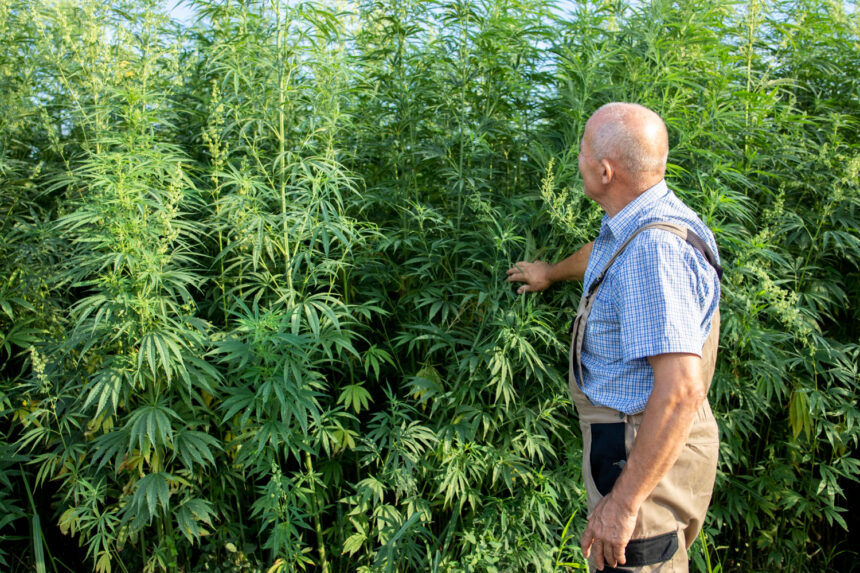
KwaZulu-Natal has been identified as one of only three provinces in South Africa with high potential for hemp production under the National Hemp/Cannabis Master Plan of 2021. This recognition creates an opportunity for farmers to participate in an emerging agricultural value chain with potential applications across several industries. However, access to quality hemp seed remains a major challenge for farmers seeking to enter the sector. Without reliable access to suitable planting material, farmers can face significant barriers when attempting to establish and expand hemp production. In response to this challenge, the KwaZulu-Natal Department of Agriculture and Rural Development has developed a Hemp Seed Multiplication Programme aligned with the National Hemp/Cannabis Master Plan, which will be officially unveiled by the Hon. MEC Mrs Thembeni kaMadlopha-Mthethwa.
The development of a hemp seed multiplication programme addresses a practical issue that can directly affect the growth of the hemp sector. Farmers need access to quality seed that is appropriate for authorised production and consistent with applicable regulatory requirements. Limited access to suitable seed can make it difficult for producers to enter the market even when they have land, farming experience and an interest in hemp production. Addressing the seed supply challenge can therefore form an important part of developing a functioning hemp value chain. The KwaZulu-Natal Department’s initiative is designed to respond to this bottleneck by focusing attention on the multiplication of hemp seed within the framework of the national strategy.
The National Hemp/Cannabis Master Plan provides a policy framework for developing the cannabis and hemp industries in South Africa. The plan recognises opportunities for economic development, job creation, investment and participation by emerging farmers within the broader sector. Hemp differs from cannabis cultivated for intoxicating purposes, particularly in terms of the types of varieties and intended uses involved. Its potential applications can include fibre, textiles, construction materials, industrial products and other value-added uses, depending on the crop variety and applicable regulations. Developing the sector requires farmers and other participants to operate within the relevant legal and regulatory framework.
KwaZulu-Natal’s identification as a high-potential province gives the province an important position within South Africa’s hemp development efforts. Agricultural potential alone, however, does not guarantee successful commercial production. Farmers also need access to suitable inputs, technical knowledge, regulatory support, markets and reliable value chains. Seed availability is particularly important because it is one of the first requirements for establishing a viable crop. The proposed seed multiplication programme therefore seeks to strengthen one of the foundational elements needed for the growth of hemp farming in KwaZulu-Natal.
The Department has already issued 500 hemp permits to farmers, demonstrating growing participation in the regulated hemp sector. Permit holders also require an understanding of the compliance requirements that apply to their activities. The Department has supported farmers through compliance assistance and training, helping producers understand the requirements associated with hemp production. This support is important because regulatory compliance forms part of responsible participation in an emerging agricultural industry. Training can also help farmers make more informed decisions about production practices and the management of their enterprises.
The shortage of quality hemp seed highlights the difference between receiving permission to participate in an agricultural sector and having the resources needed to produce successfully. Farmers may have the necessary permits but still face practical difficulties if suitable seed is unavailable or difficult to obtain. This can delay production and increase uncertainty for producers who are trying to establish commercial operations. A stronger seed multiplication system could help address this gap by improving access to planting material within an organised programme. The success of such an initiative will depend on appropriate technical standards, regulatory compliance and effective management of seed production and distribution.
Hemp seed quality matters because planting material influences the establishment and performance of a crop. Farmers need confidence that the seed they obtain is appropriate for the intended production system and meets applicable requirements. Reliable seed supply can also make agricultural planning easier because producers can better anticipate their input needs before the planting season. For an emerging sector, consistency in access to planting material can support more predictable production and encourage greater participation by farmers. Improving seed availability is therefore not simply an input issue but part of building a functioning agricultural value chain.
The Hemp Seed Multiplication Programme also has the potential to support the development of local agricultural expertise. Seed multiplication requires appropriate knowledge and management practices, including careful attention to production conditions and the requirements governing seed material. Building capacity in this area can contribute to the development of specialised skills within the provincial agricultural sector. Farmers and agricultural professionals can gain experience in a crop that remains relatively new to many producers in South Africa. This knowledge can become increasingly valuable as the hemp industry develops and demand for appropriately produced raw materials grows.
The Department’s focus on training and compliance complements the seed multiplication initiative. Farmers need more than seed to establish commercially viable hemp enterprises. They need knowledge of crop management, production planning, regulatory responsibilities, harvesting and post-harvest considerations. They also need to understand potential markets before committing significant resources to production. Combining seed access with training and compliance support can provide farmers with a more comprehensive foundation for entering the hemp sector.
Market development will also be important as hemp production expands. Farmers need viable routes to sell their crops and should understand the requirements of potential buyers before increasing production. A productive crop has limited commercial value if farmers cannot access appropriate markets or meet buyer specifications. The development of processing and value-added activities can also influence the long-term potential of the sector. For KwaZulu-Natal farmers, stronger connections between production, processing and markets could help determine whether hemp becomes a sustainable agricultural opportunity rather than simply a promising niche.
The initiative also needs to be viewed within the broader objective of creating opportunities for agricultural development. Emerging agricultural sectors can provide opportunities for farmers to diversify their enterprises when suitable conditions and markets exist. Hemp production could potentially contribute to rural economic activity through farming, processing and related services, although the scale of these benefits will depend on how the industry develops. Farmers will need to assess production costs, regulatory requirements, market conditions and agronomic suitability before committing to hemp. Government support can help create an enabling environment, but sustainable commercial production ultimately requires viable farming businesses and functioning markets.
The official unveiling of the Hemp Seed Multiplication Programme by Hon. MEC Mrs Thembeni kaMadlopha-Mthethwa represents an important step in communicating the Department’s response to the seed access challenge. The programme is aligned with the National Hemp/Cannabis Master Plan and is intended to address a bottleneck that has affected farmers seeking to participate in hemp production. The existing support provided through 500 hemp permits, compliance assistance and training provides a foundation for further sector development. Strengthening access to quality seed could help farmers move from regulatory participation towards actual production where other requirements are also met. The programme therefore has significance for both individual farmers and the broader development of the provincial hemp value chain.
KwaZulu-Natal’s hemp opportunity will ultimately depend on how effectively policy, farmer support, production inputs and market development work together. The identification of the province as having high potential for hemp production creates an opportunity, but farmers require practical support to turn that potential into sustainable agricultural activity. Access to quality hemp seed is a critical part of that process, which makes the Hemp Seed Multiplication Programme particularly relevant to the province’s emerging hemp sector. Continued training, compliance support and access to appropriate markets will also remain important as more farmers explore this crop. By addressing the seed bottleneck while strengthening farmer capacity and regulatory support, KwaZulu-Natal can build a stronger foundation for responsible hemp production and broader agricultural growth.
Join 'Farmers Mag' WhatsApp Channel
Get the latest Farming news and tips delivered straight to your WhatsApp
CLICK HERE TO JOIN