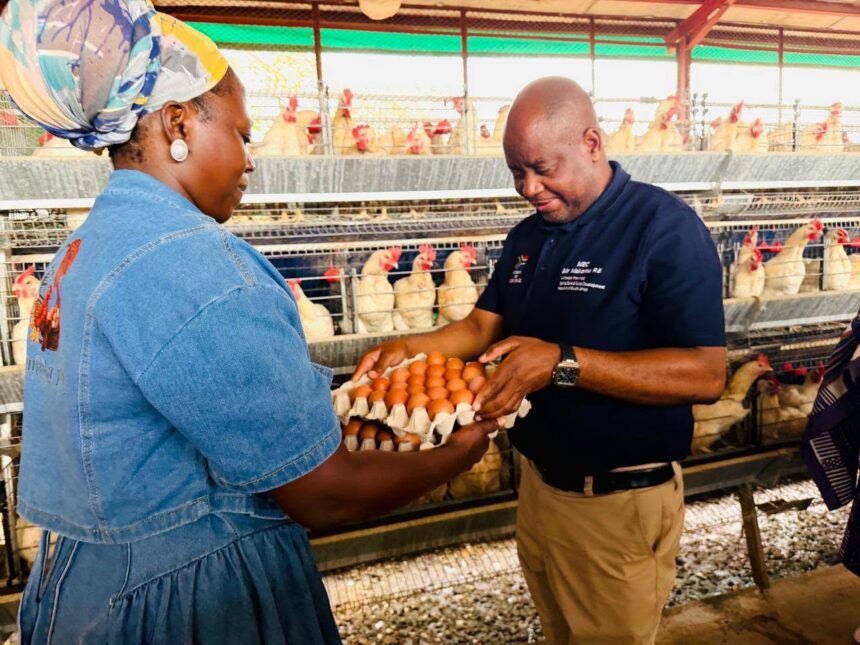
A poultry project in Malamulele is showing how agricultural graduates can turn their qualifications into productive farming enterprises with the right support and infrastructure. The Nemabaka Poultry Project, owned by Khumbudzo Nemabaka, has become an example of how young agricultural professionals can apply their training while contributing to local food production. Nemabaka holds a degree in Animal Science from the University of Limpopo and was part of the first cohort of the Unemployed Agricultural Graduates Programme launched in Limpopo in 2018. Her journey from an unemployed agricultural graduate to a poultry farmer demonstrates the value of creating practical opportunities for young people with agricultural qualifications. The project is now producing eggs for local markets while continuing to receive infrastructure support to expand its operations.
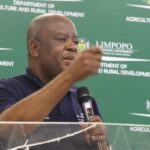
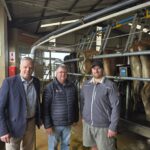
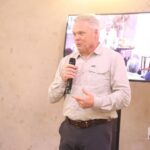
The Limpopo Department of Agriculture and Rural Development recently conducted an oversight visit to the Nemabaka Poultry Project following an alignment session with staff from the Vhembe District and Madzivhandila College of Agriculture. Limpopo Department of Agriculture and Rural Development MEC Basikopo Makamu was accompanied by Head of Department Mpho Mashamba and the district team during the visit to the project in Malamulele. The oversight visit provided an opportunity to assess progress at the farm and observe how agricultural support is being translated into production. It also highlighted the importance of maintaining communication between government agricultural programmes, farming enterprises and agricultural training institutions. Such engagements can help identify challenges faced by farmers and assess whether existing support is contributing to sustainable production.
Nemabaka’s farming journey is closely connected to the Unemployed Agricultural Graduates Programme, which was launched by MEC Makamu in 2018. She was among the first group of graduates to participate in the programme, creating an opportunity to move from academic training towards practical involvement in agriculture. For graduates with qualifications in fields such as Animal Science, access to land, infrastructure and productive resources can be important in establishing independent agricultural enterprises. Academic knowledge provides a foundation, but farmers also need the physical resources and business opportunities required to put that knowledge into practice. Nemabaka’s poultry operation demonstrates how graduate development initiatives can become a pathway towards entrepreneurship and food production.
In December 2019, Nemabaka secured a 2.7-hectare piece of land in Malamulele under the Collins Chabane Local Municipality. Securing land gave her a base from which to develop the poultry enterprise and build the infrastructure needed for commercial production. Establishing a poultry project requires more than simply acquiring land because farmers need suitable housing, water, electricity, feed and equipment to maintain production. The availability of these resources can determine whether an agricultural project remains at a small scale or develops into a more established enterprise. In Nemabaka’s case, subsequent support has helped establish key infrastructure and provide production inputs for the poultry operation.
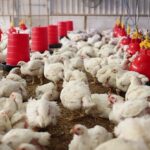
During the 2025/2026 financial year, the Limpopo Department of Agriculture and Rural Development provided Phase 1 infrastructure and production support through the Comprehensive Agricultural Support Programme. The support included a layer house with a capacity of 3,000 layers, fencing and a borehole to strengthen the project’s basic infrastructure. The department also provided an ablution facility, a generator, 1,100 layer chickens and chicken feed. These inputs address several of the practical requirements involved in operating a layer enterprise. Infrastructure such as poultry housing, water supply and fencing can provide the foundation for organised production while production inputs allow the farmer to maintain the flock and begin generating income from egg sales.
The borehole is particularly important for a poultry operation because reliable access to water is essential for maintaining healthy birds and consistent production. The generator can also provide an additional source of power for the farm, which can be important when interruptions affect normal operations. The layer house gives the farmer dedicated infrastructure for housing the chickens under controlled conditions. Fencing provides additional security and helps establish clear boundaries around the farming operation. Together, these forms of support provide a more suitable production environment and can help the farmer focus on managing the flock, maintaining production standards and developing the business.
The project is currently producing approximately 1,050 eggs per day, with the eggs supplied to local outlets for resale. This level of production gives the enterprise an active role in the local food value chain by supplying a product that can be sold within the surrounding community. Local market access is important for emerging farmers because it provides an opportunity to generate revenue while building relationships with buyers. Consistent production can also help farmers develop a track record that may support future expansion. For a poultry enterprise, maintaining reliable egg production is essential because the business depends on regular output and the ability to supply customers consistently.
The department is now implementing Phase 2 of the infrastructure development at the project. This phase includes the construction of a grading facility, which will add another component to the project’s production and handling infrastructure. A dedicated grading facility can support more organised handling of eggs before they reach the market. As the enterprise develops, infrastructure that supports post-production activities can become increasingly important for managing products efficiently. The move into a second phase of infrastructure development also indicates that the project is continuing to develop beyond the initial establishment of its production base.
The Nemabaka Poultry Project also demonstrates the potential connection between agricultural education and enterprise development. An Animal Science qualification can provide graduates with knowledge relevant to livestock production, animal management and agricultural practices. However, graduates still need opportunities to apply that knowledge in real production environments. Programmes that combine skills development with access to productive resources can help bridge the gap between agricultural education and farming entrepreneurship. This can be particularly important for young graduates who want to establish themselves in agriculture but face challenges related to land, capital and infrastructure.
The project’s development also has relevance for local food production and rural economic activity. Producing eggs close to the communities where they are consumed can create a direct connection between agricultural production and local markets. The project can also create demand for inputs and services associated with poultry production as it develops. As agricultural enterprises grow, they can contribute to economic activity beyond the farm itself through purchasing, distribution and retail relationships. Supporting viable farming enterprises can therefore have benefits that extend beyond the individual farmer.
The oversight visit to the Nemabaka Poultry Project highlights the importance of continued support as emerging agricultural enterprises develop. Establishing infrastructure is an important step, but farmers also need to manage production, maintain assets, understand their markets and build sustainable businesses. Nemabaka’s progress from participating in the Unemployed Agricultural Graduates Programme to operating a poultry enterprise shows how agricultural qualifications can be linked with practical farming opportunities. With Phase 2 infrastructure currently being implemented, the project is continuing to build its production capacity and market infrastructure. The Nemabaka Poultry Project offers a practical example of how investment in young agricultural graduates can support food production, entrepreneurship and the development of farming enterprises in Limpopo.
Join 'Farmers Mag' WhatsApp Channel
Get the latest Farming news and tips delivered straight to your WhatsApp
CLICK HERE TO JOIN