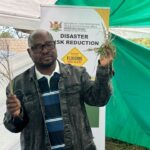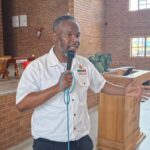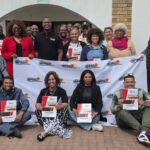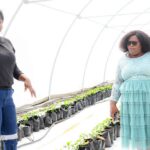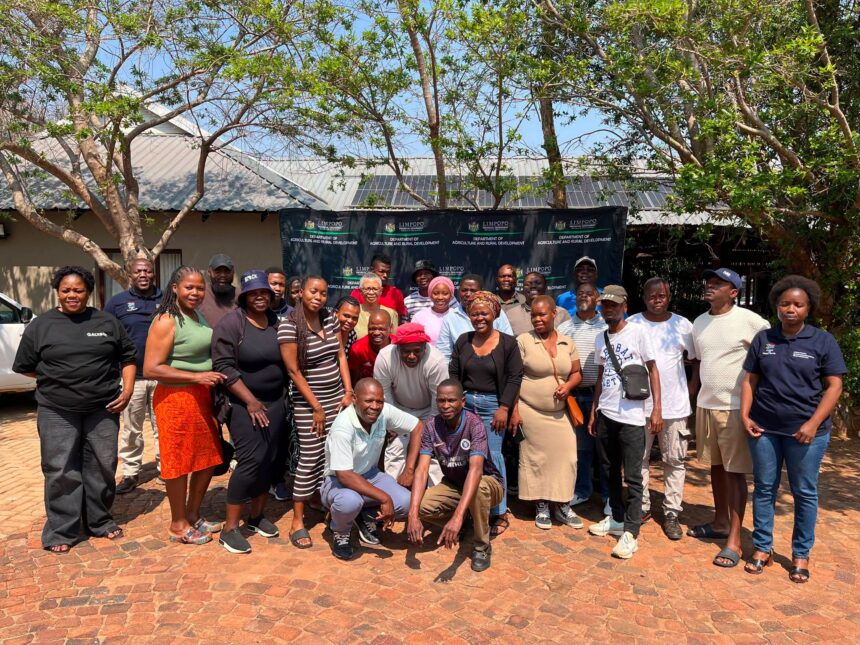
The three-day training of 25 livestock farmers operating within the Capricorn South Agro-Ecological Zone has concluded, with a strong focus on understanding how environmental conditions affect sustainable livestock production. The programme aimed to strengthen farmers’ ability to assess their surroundings and make informed decisions that support both animal productivity and the long-term health of grazing land. This is particularly important for farmers who rely on open grazing, where livestock production is closely connected to the condition and availability of natural vegetation. Understanding the relationship between the environment, veld condition, livestock nutrition and breeding choices can help farmers manage their enterprises more effectively. The training therefore provided participants with practical knowledge that can be applied to everyday livestock farming challenges.
The training focused specifically on farmers practising open-grazing livestock production, where animals depend heavily on available veld resources for their nutritional needs. In these farming systems, environmental conditions can influence the quantity and quality of grazing available to livestock throughout the year. Factors such as vegetation types, veld composition, rainfall patterns and grazing management can affect the ability of farmers to maintain healthy and productive animals. Farmers need to understand these relationships when making decisions about stocking, feeding, breeding and general herd management. By strengthening their knowledge of environmental influences, the participants were better equipped to identify opportunities and challenges within their own farming operations.
A major component of the programme involved examining environmental factors that influence the veld and the different types of vegetation found within farming areas. Veld provides an important source of feed for livestock, making its condition a key consideration for farmers who depend on natural grazing. Participants were introduced to the ways in which vegetation composition can affect the availability of suitable forage for different livestock species. They also explored how livestock feeding preferences and habits can be influenced by the vegetation available in their grazing environment. This knowledge can help farmers make more informed decisions about grazing management and ensure that available veld resources are used responsibly.
The training also addressed the relationship between environmental conditions and livestock breed selection. Different livestock breeds have different characteristics, including their ability to adapt to particular climatic and environmental conditions. Choosing animals that are suited to the conditions of a specific farming area can contribute to more effective and sustainable production. Farmers were encouraged to consider environmental factors alongside their production goals when making breeding and herd management decisions. Understanding breed suitability can also help farmers reduce unnecessary production challenges and improve the resilience of their livestock enterprises.
Supplementary feeding was another important topic covered during the three-day programme. Although natural grazing remains an important feed source for open-grazing livestock, veld resources may become limited or less nutritious during certain periods of the year. Supplementary feed can help address nutritional gaps when animals cannot obtain sufficient nutrients from grazing alone. Farmers were introduced to different supplementary feeding options and the role these can play in supporting livestock production. Having a better understanding of supplementary feeding can help farmers make practical decisions about maintaining animal condition and productivity while managing available resources.
The programme also examined organisms that can have either beneficial or harmful effects on livestock production. Farmers need to recognise that various organisms within agricultural environments can influence animal health, production and the overall farming system. Understanding harmful organisms can help farmers identify potential risks and take appropriate preventative or management measures. At the same time, beneficial organisms can contribute positively to agricultural ecosystems and should not automatically be viewed as threats. This part of the training helped participants develop a broader understanding of the biological factors that form part of sustainable livestock production.
Agricultural management practices and their effects on environmental sustainability also received attention during the training. The way farmers manage their land and livestock can have a direct impact on veld condition and the wider farming environment. Responsible management can help protect grazing resources and support continued livestock production over the long term. Poorly managed agricultural practices can place pressure on natural resources and reduce the ability of the land to support livestock. By understanding these effects, farmers can consider management approaches that balance current production needs with the need to preserve the environment for future farming activities.
Dr. Magoro Madimetja and Ms. Chauke Mpfumelo from Tompi Seleka College of Agriculture facilitated the training and shared knowledge on the environmental and production factors relevant to livestock farming. Their contribution provided participants with both theoretical information and practical insights that can be considered within their own farming environments. The topics were particularly relevant to farmers who depend on open grazing and therefore need to understand the condition of their veld and the resources available to their animals. The involvement of agricultural training professionals also highlights the importance of transferring technical knowledge to farmers at a practical level. Such programmes can help bridge the gap between agricultural knowledge and its application on farms.
The completion of the training forms part of broader efforts to strengthen farmers’ knowledge and skills in sustainable livestock production. Farmers face changing environmental conditions and must regularly assess how these conditions affect their livestock and available resources. Training can provide them with tools to make better-informed decisions rather than relying solely on traditional practices or trial and error. Improved knowledge can also support more effective management of grazing, feeding, breeding and environmental resources. For livestock farmers in the Capricorn South Agro-Ecological Zone, these skills can contribute to building farming enterprises that remain productive while protecting the natural resources on which they depend.
The three-day programme ultimately reinforced the importance of viewing livestock production and environmental management as closely connected activities. Sustainable livestock farming requires farmers to understand their veld, select suitable breeds, manage feeding requirements and recognise the biological factors affecting production. It also requires careful consideration of how everyday agricultural practices affect the condition of the land. The 25 farmers who completed the training gained knowledge that can support more informed management decisions within their individual farming enterprises. Continued investment in practical agricultural education can play an important role in helping livestock farmers improve productivity while promoting responsible and sustainable use of natural resources.
Join 'Farmers Mag' WhatsApp Channel
Get the latest Farming news and tips delivered straight to your WhatsApp
CLICK HERE TO JOIN