

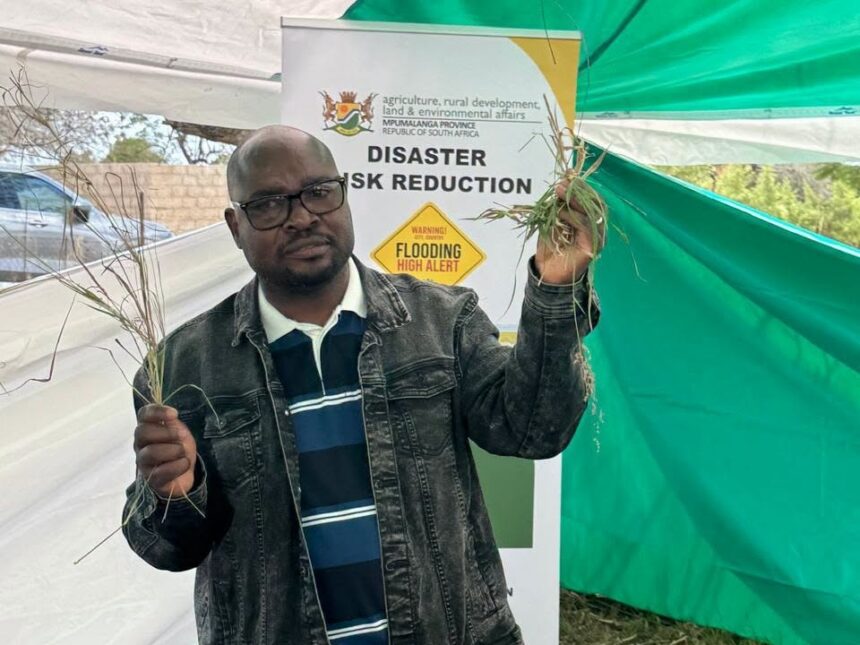
Farmers from Hluvukani and surrounding areas in Bohlabela recently came together for a Farmers Info Day focused on sustainable agriculture, responsible land management and environmental conservation. The event, organised by the Department of Agriculture, Rural Development, Land and Environmental Affairs (DARDLEA), provided farmers with an opportunity to learn more about practices that can protect agricultural resources while supporting livestock production. Officials responsible for the Conservation of Agricultural Resources Act (CARA) and specialists in Conservation Agriculture also participated in the session. Their involvement brought together practical farming knowledge and information about the legal and environmental responsibilities associated with agricultural land. The initiative highlighted the need for farmers to balance productive farming with the long-term protection of natural resources.
One of the key issues discussed during the Farmers Info Day was responsible grazing management and its role in protecting grazing land. Livestock farmers depend on healthy veld to provide animals with adequate natural forage, making the condition of grazing areas directly linked to sustainable livestock production. Poor grazing practices can place excessive pressure on vegetation and reduce the ability of the land to recover over time. Farmers therefore need to understand how grazing intensity, available vegetation and land conditions affect the productivity of their farming operations. Responsible grazing management can help maintain healthier grazing areas while supporting livestock production over the long term.
The session also placed significant attention on veld fire prevention, an important issue for farming communities in areas where uncontrolled fires can damage grazing land and agricultural resources. Farmers were encouraged to establish and maintain firebreaks as part of efforts to reduce the spread of veld fires. Early reporting was also highlighted because quickly alerting the relevant authorities and community members can help limit the potential damage caused by fires. Effective fire prevention cannot rely on individual farmers acting alone, particularly when fires can spread across properties and communal areas. Cooperation between farmers and surrounding communities is therefore an important part of protecting grazing land, livestock and agricultural infrastructure.
Community participation can make a significant difference in reducing fire-related risks in agricultural areas. Farmers can work together to identify areas that require firebreaks and ensure that these preventative measures receive attention before periods of increased fire risk. Sharing information quickly when a fire starts can also give communities more time to respond before the situation becomes more difficult to control. Farmers who understand the importance of preparation can take practical steps to protect their land and reduce potential losses. The Farmers Info Day provided an opportunity to reinforce these messages and encourage collective responsibility for veld fire management.
Another important part of the event was the presentation on the Conservation of Agricultural Resources Act, commonly known as CARA. The legislation provides a framework for protecting agricultural resources and addressing practices that can contribute to land degradation. Farmers were educated on the importance of managing their land responsibly and preventing activities that could damage its long-term agricultural potential. The discussion also covered the need to control invasive plant species, which can affect natural vegetation and compete with plants that provide important grazing resources. Understanding the requirements and objectives of CARA can help farmers make better-informed decisions about how they manage agricultural land.
Land degradation was another important concern highlighted during the session because declining soil and veld conditions can affect agricultural productivity. Once agricultural resources become significantly degraded, farmers may face greater challenges in maintaining livestock production and restoring the productivity of their land. Preventative management can therefore be more effective than waiting until serious degradation has occurred. Farmers were encouraged to consider how their day-to-day activities affect the condition of the land and its ability to support future production. Protecting agricultural resources today can help maintain opportunities for farming in the years ahead.
The discussion around invasive plant species also highlighted the relationship between environmental conservation and agricultural productivity. Invasive plants can alter the composition of vegetation and compete with plants that livestock depend on for grazing. Their spread can also affect the availability and quality of natural resources within farming areas. Farmers need to be aware of invasive species on their land and understand the appropriate approaches for managing them. Addressing these challenges forms part of broader efforts to protect the agricultural environment and maintain productive grazing areas.
The involvement of Conservation Agriculture specialists added another practical dimension to the Farmers Info Day. Conservation Agriculture focuses on farming approaches that aim to protect soil, conserve resources and support sustainable production. These principles can be particularly relevant to farmers who depend on the long-term productivity of their land and natural resources. Combining conservation practices with responsible grazing and fire management can help farmers address several environmental risks at the same time. The session therefore gave farmers an opportunity to consider how different aspects of sustainable agriculture can work together within their farming operations.
The Farmers Info Day in Hluvukani demonstrated the value of bringing agricultural officials, specialists and farmers together to address practical challenges affecting rural farming communities. Sustainable livestock production depends on more than maintaining healthy animals, as farmers also need to protect the grazing resources and environmental conditions that support their enterprises. Information about CARA, fire prevention, invasive plant control and responsible grazing can help farmers make more informed land management decisions. Community cooperation remains equally important because environmental risks such as veld fires can extend beyond individual farms and require coordinated action. Continued access to practical agricultural information can strengthen farmers’ ability to protect their resources while maintaining productive farming activities.
The gathering in Bohlabela ultimately reinforced the connection between sustainable farming and environmental conservation. Farmers who protect grazing land, prevent veld fires, manage invasive plants and avoid practices that contribute to land degradation can help preserve agricultural resources for future generations. The participation of DARDLEA officials, CARA representatives and Conservation Agriculture specialists provided farmers with information that can support responsible land and livestock management. These efforts are particularly important in rural communities where farming remains closely connected to available natural resources. Continued farmer education and community cooperation can help Hluvukani and surrounding areas build more sustainable agricultural practices while protecting the land on which future production will depend.
Join 'Farmers Mag' WhatsApp Channel
Get the latest Farming news and tips delivered straight to your WhatsApp
CLICK HERE TO JOIN




