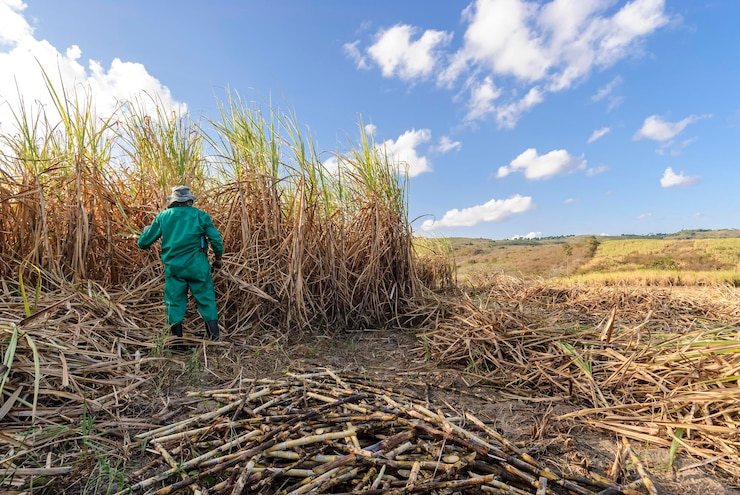
Sugar milling operations have resumed in KwaZulu-Natal and Mpumalanga after a wage dispute brought parts of the industry to a standstill for almost four weeks. The disruption came during the peak milling season, creating serious challenges for sugarcane growers who depend on functioning mills to process harvested cane. With mills unable to operate normally, growers in affected areas were left without reliable outlets for cane that needed to be delivered after harvesting. The resolution of the dispute has therefore brought relief to an industry where timing between harvesting and milling is critical. The return to normal operations is particularly important for growers who had already been dealing with several pressures affecting sugar production and market conditions.
The breakthrough followed fresh negotiations between unions and employers after wage talks had reached an 18-day deadlock. KwaZulu-Natal MEC for Agriculture and Rural Development Thembeni kaMadlopha-Mthethwa facilitated the renewed discussions in an effort to bring the parties back to the negotiating table. The talks were held at KwaShukela in Mount Edgecombe, Durban, beginning on 1 September, with an agreement reached on 8 September. Her intervention provided a platform for the affected parties to resume discussions and work towards resolving the dispute. The agreement has allowed milling operations to restart while creating an opportunity for employers and workers to continue engaging on broader employment conditions.
Under the National Bargaining Council for the Sugar Manufacturing and Refining Industry, workers secured a 6% across-the-board wage increase. The increase has been backdated to 1 April 2026, providing workers with an adjustment covering the period from the beginning of the wage agreement. According to union organisers, the settlement also provides for payment for six days of the strike period. The parties have further committed to continued engagement on conditions of employment, meaning the agreement addresses the immediate wage dispute while leaving room for further discussions. For the sugar industry, the settlement removes a major obstacle to milling activity at a time when growers need mills operating consistently.
KaMadlopha-Mthethwa said her role was to provide a platform for unions and employers to return to negotiations and find an amicable solution. She highlighted the importance of different parts of the agricultural sector working together to address problems that can have wider consequences for farmers and the industry. The wage dispute demonstrated how industrial action at processing facilities can quickly affect agricultural production beyond the workforce directly involved in negotiations. The implementation of the no-work-no-pay principle during the strike also added financial pressure for workers who were affected by the stoppage. The resolution therefore provides an important step towards restoring stability for workers, employers and growers who rely on the sugar milling system.
Sugarcane growers were among those most exposed to the consequences of the milling stoppage because harvested cane cannot simply be held indefinitely while waiting for processing capacity to become available. Growers on KwaZulu-Natal’s North Coast were particularly affected, with the MEC noting that they had nowhere to deliver their cane during the peak milling season. This created a difficult situation for farmers because the harvesting process depends on mills being able to receive and process cane. Any prolonged interruption can interfere with harvesting schedules and place additional pressure on farm operations. The resumption of milling therefore gives growers an opportunity to reconnect their harvesting activities with the processing system on which their businesses depend.
The disruption also came at a difficult time for the broader South African sugar industry. Growers and other industry participants are already dealing with challenges linked to the continuing effects of Tongaat Hulett’s business rescue process and competition from cheaper imported sugar. These pressures make reliable milling operations even more important because farmers need predictable access to processing facilities to maintain production and manage their businesses. The wage dispute added another layer of uncertainty during an important period in the production cycle. With milling operations now resumed, growers can focus on getting cane delivered while the industry continues dealing with its longer-term structural and commercial challenges.
The impact of the dispute also highlights how closely connected sugarcane farming, milling and employment are within the sugar value chain. A stoppage at a mill does not affect only the workers employed at the facility, as growers, transport operations and other participants in the production process can also feel the consequences. Farmers depend on a functioning system in which harvested cane moves from fields to mills without major interruptions. When that link is broken during peak season, the effects can extend well beyond the original labour dispute. The latest agreement shows the importance of resolving industrial disputes quickly when the wider agricultural value chain is dependent on continuous processing.
For sugarcane farmers in KwaZulu-Natal and Mpumalanga, the resumption of milling provides much-needed certainty after several weeks of disruption. Growers can now work towards restoring harvesting and delivery schedules while the industry moves beyond the immediate effects of the strike. The 6% wage settlement gives workers a defined outcome while the continued engagement on employment conditions creates a basis for further negotiations. At the same time, growers remain exposed to broader pressures facing the sugar sector, including challenges surrounding major industry players and imported sugar. The resolution of the wage dispute is therefore an important development, but the long-term health of sugarcane farming will continue to depend on stability across the entire value chain.
The return of sugar milling operations demonstrates the importance of cooperation between workers, employers, government and growers when disruptions threaten agricultural production. The dispute showed how quickly a labour disagreement can create consequences for farmers when it occurs during a critical milling period. The agreement reached after the renewed talks has allowed the industry to restart operations and gives sugarcane growers the opportunity to resume deliveries. For farmers who had been unable to move harvested cane into mills, this marks a significant step towards restoring normal production activities. Continued cooperation and engagement will remain important as the sugar industry works through the wider challenges affecting its future.
Join 'Farmers Mag' WhatsApp Channel
Get the latest Farming news and tips delivered straight to your WhatsApp
CLICK HERE TO JOIN