

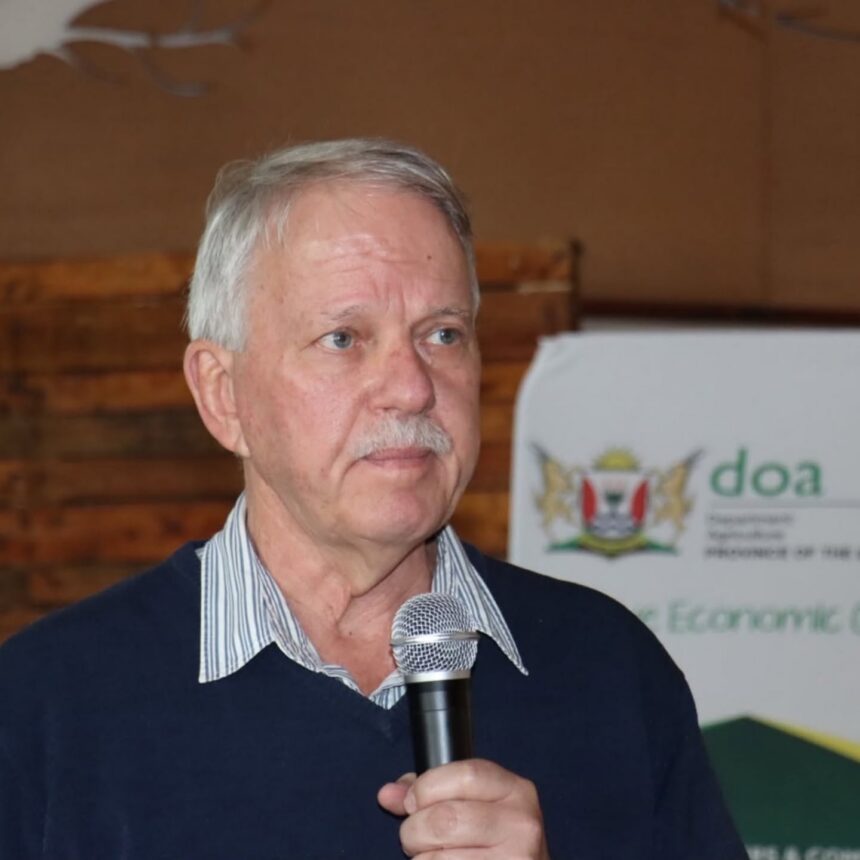
The World Bank, in partnership with the Eastern Cape Department of Agriculture and the Eastern Cape Rural Development Agency (ECRDA), has held an investment planning workshop aimed at strengthening agricultural development across the province. The session took place at Summit Lifestyle in East London and brought stakeholders together to review key investment priorities and opportunities within the agricultural sector. Discussions focused on the province’s investment plan and its planned submission to the Budget Facility for Infrastructure (BFI). The workshop also examined progress across important livestock, dairy and mohair value chains while considering ways to attract additional private-sector investment. The engagement forms part of broader efforts to strengthen agricultural value chains, mobilise funding and support sustainable economic growth in the Eastern Cape.
A key focus of the workshop was the review of the investment plan that will be submitted to the Budget Facility for Infrastructure. The BFI provides a mechanism through which infrastructure investment proposals can be assessed and considered within government’s broader planning and budgeting processes. Reviewing the investment plan allows stakeholders to examine whether proposed interventions address priority needs and have the potential to support long-term agricultural development. It also creates an opportunity to identify areas that may require further refinement before the plan is submitted. A well-structured investment plan can help align infrastructure requirements with the needs of farmers, value-chain participants and rural communities.
The workshop also focused on identifying priority sectors that can contribute to agricultural development and economic activity in the Eastern Cape. Livestock, dairy and mohair were among the value chains examined during the discussions because of their role in the province’s agricultural economy. Assessing progress within these sectors allows stakeholders to consider what has been achieved and where additional investment may be needed. It also provides an opportunity to identify infrastructure, production and market-related constraints that could limit further development. Understanding these priorities can help shape investment decisions that respond to specific needs within different agricultural value chains.
The livestock value chain was an important area of discussion during the investment planning process. Livestock farming involves a broad network of activities, including production, animal health, feed, processing, transportation and marketing. Investment in supporting infrastructure and services can affect the ability of producers and other participants to operate efficiently. Reviewing progress within the livestock sector can therefore help identify opportunities to strengthen connections between producers and other parts of the value chain. These considerations are important for developing agricultural investments that support both production and wider economic activity in rural areas.
The dairy value chain was also assessed as part of the workshop’s broader review of agricultural investment opportunities. Dairy production requires reliable infrastructure, appropriate production systems, access to markets and effective connections between farmers and processors. Stakeholders can use investment planning processes to identify challenges affecting these connections and determine where resources could have the greatest practical impact. Strengthening the dairy value chain can involve consideration of production capacity as well as processing, logistics and market access. The workshop provided a platform for stakeholders to examine these issues within the context of the Eastern Cape’s wider agricultural development plans.
Mohair was another value chain considered during the discussions, reflecting its importance within the Eastern Cape’s agricultural landscape. The value chain extends beyond the production of fibre and includes activities linked to processing, marketing and trade. Investment planning can help stakeholders identify areas where infrastructure or partnerships could strengthen these connections and create greater opportunities for producers and other participants. Assessing progress also allows stakeholders to consider whether existing interventions are addressing the needs of the value chain. These discussions form part of a broader effort to ensure that investment supports productive and sustainable agricultural activities.
Another significant focus of the workshop was the potential to unlock funding through partnerships with the private sector. Public investment can provide important support for agricultural infrastructure and development, but private-sector participation can introduce additional capital, expertise and commercial opportunities. Exploring these partnerships can help stakeholders identify projects where government and private investors can work together to address infrastructure and value-chain needs. Such collaboration also requires clear planning and an understanding of the interests and responsibilities of different participants. The workshop therefore considered private-sector partnerships as part of a wider strategy for mobilising investment in agriculture.
Strengthening agricultural value chains can have effects beyond individual farming operations because value chains connect producers with businesses, service providers, processors, markets and consumers. When these connections function effectively, they can create opportunities for economic activity at multiple stages of agricultural production. Investment in infrastructure can also help address practical constraints that affect how agricultural products move from farms to processing facilities and markets. For the Eastern Cape, strengthening these systems can support efforts to increase the contribution of agriculture to rural economic development. Investment planning provides a structured way for stakeholders to identify these needs and consider how available funding can be directed towards them.
The involvement of the World Bank, the Eastern Cape Department of Agriculture and ECRDA highlights the importance of collaboration in developing agricultural investment plans. Different institutions bring different areas of expertise, resources and responsibilities to the planning process. Bringing these stakeholders together allows investment priorities to be examined from infrastructure, agricultural development and rural development perspectives. The participation of these organisations also creates an opportunity to strengthen coordination around projects intended to support agricultural value chains. Effective collaboration will remain important as the investment plan moves through the relevant processes towards potential funding and implementation.
The investment planning workshop in East London forms part of ongoing efforts to create stronger foundations for agricultural development across the Eastern Cape. Reviewing the investment plan, assessing livestock, dairy and mohair value chains and exploring private-sector partnerships can help stakeholders identify practical areas for future investment. The process also highlights the importance of linking infrastructure development with the needs of farmers and other participants throughout agricultural value chains. Mobilising investment can support projects that improve productive capacity while contributing to broader rural economic activity. Continued cooperation between government institutions, development partners and the private sector will be important as the Eastern Cape works to strengthen its agricultural economy and pursue sustainable economic growth.
Join 'Farmers Mag' WhatsApp Channel
Get the latest Farming news and tips delivered straight to your WhatsApp
CLICK HERE TO JOIN




