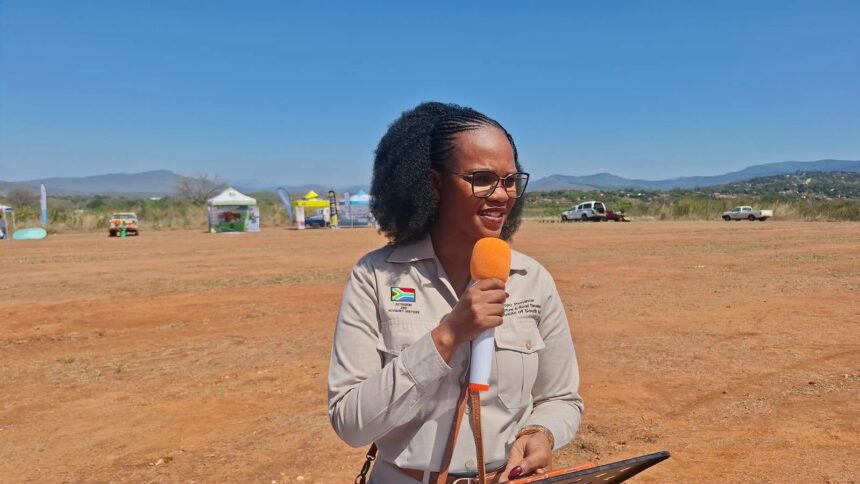
The Department of Agriculture and Rural Development in the Mopani West Agro-Ecological Zone (AEZ) is encouraging young people to consider agriculture as a viable career and livelihood opportunity. Led by Deputy Director Mme Nontokozo Zwane, the Mopani West AEZ participated in an agriculture-focused career expo for learners from schools across the zone. The event was held at Boke High School under Greater Tzaneen Local Municipality and gave learners an opportunity to explore the wide range of careers available within the agricultural sector. The expo also moved beyond career information by introducing learners to practical farming knowledge that they can apply at school. This combination of career guidance and hands-on agricultural education aims to help young people understand the sector and recognise the opportunities it can offer.
Agriculture provides career opportunities across many different fields, extending far beyond traditional crop and livestock farming. Learners can pursue careers in agricultural science, crop production, animal health, agribusiness, food production, agricultural economics, research, extension services and other specialised areas. The career expo brought several agricultural stakeholders together to give learners a broader understanding of these opportunities. Fresh and Healthy Products, The Science of Healthier Animals, NTK and Kyron Agri were among the stakeholders that exhibited alongside the Department of Agriculture and Rural Development. Their participation allowed learners to interact directly with organisations operating in different parts of the agricultural value chain.
The exhibition stalls provided learners with an opportunity to ask questions and learn more about agricultural careers from people working within the sector. This type of direct interaction can help learners connect classroom subjects with real-world career opportunities. Agriculture relies on skills from science, technology, business, management and practical production, creating opportunities for learners with different interests and abilities. Exposing learners to these possibilities at school can help them make more informed decisions about further education and career choices. The expo therefore served as an important platform for demonstrating that agriculture is a diverse sector with opportunities at different levels of the value chain.
Departmental officials also used the event to provide practical guidance on crop production and school gardening. Learners received information about establishing and managing vegetable gardens at their schools, giving them an opportunity to gain hands-on experience in growing food. School gardens can help learners understand basic agricultural practices such as preparing planting areas, caring for crops, managing water and monitoring plant growth. Practical activities can also help learners develop responsibility and an understanding of how food is produced. By combining theoretical knowledge with actual farming activities, schools can provide learners with useful skills that extend beyond the classroom.
The initiative also received practical support through a partnership between the Mopani West Agro-Ecological Zone and WD Seedlings. Seedlings were donated to schools that attended the career expo, giving learners and schools an opportunity to put the lessons from the event into practice. The donation is intended to encourage schools to establish or strengthen vegetable gardens and involve learners directly in crop production. Growing vegetables at school can provide a practical learning environment where learners can observe the different stages of crop development. It can also encourage an interest in agriculture by allowing young people to experience farming rather than only learning about it in theory.
Addressing learners at the expo, Mme Zwane explained that the Department of Agriculture and Rural Development would provide more than seedlings. She said the department would monitor the progress of the school gardens to ensure that the initiative achieves its intended objectives. Monitoring can help identify challenges faced by schools and provide opportunities for officials to offer additional technical guidance when needed. This approach can also encourage schools to maintain their gardens and ensure that the seedlings develop into productive crops. Continued support is important because establishing a garden is only the first step, while successful crop production requires ongoing care and management.
Mme Zwane also highlighted the department’s support programmes aimed at nurturing future farmers while learners are still at school. These programmes are designed to assist schools with establishing and maintaining productive gardens while exposing learners to agricultural activities. Early exposure can help young people understand the skills and knowledge required to build a future in agriculture. It can also help challenge the perception that farming is limited to manual labour or small-scale production. Agriculture increasingly requires people with technical, scientific, financial and entrepreneurial skills, making career awareness an important part of developing the next generation of agricultural professionals.
School-based agricultural programmes can also contribute to broader food production and agricultural awareness among young people. When learners participate in planting and caring for vegetables, they gain a better understanding of the work required to produce food. They can learn about crop cycles, soil preparation, water management, pest control and responsible farming practices. These skills can remain useful even if learners later pursue careers outside agriculture because food production and sustainability affect communities and households. For learners who develop a strong interest in farming, however, these early experiences can become a starting point for further agricultural education and future business opportunities.
The career expo also highlighted the importance of collaboration between government and agricultural stakeholders in exposing young people to the sector. Government departments can provide technical knowledge and support programmes, while businesses and other agricultural organisations can demonstrate how different parts of the industry operate. Bringing these groups together gives learners a more complete view of the agricultural value chain and the career opportunities within it. Partnerships can also create opportunities for mentorship, practical learning and further exposure to agricultural businesses. For young people considering their future, access to this kind of information can help them identify areas of agriculture that match their interests and abilities.
Mme Zwane assured learners and stakeholders that the Department of Agriculture and Rural Development would continue supporting the career expo. Her commitment reflects the importance of sustained engagement when encouraging young people to consider agriculture as a career. A single event can introduce learners to opportunities, but continued programmes and practical support can help turn that interest into meaningful participation. The department’s involvement in school gardens also creates a link between career awareness and practical experience. This gives learners an opportunity to develop agricultural skills while they are still in school and potentially build on those skills through further education or future farming activities.
The expo at Boke High School demonstrated the value of introducing agricultural career opportunities to learners at an early stage. Through interactions with agricultural stakeholders, learners were able to gain information about different careers while also receiving practical guidance on crop production. The seedling donation provided participating schools with a tangible opportunity to put that knowledge into action through vegetable gardens. Continued monitoring and support from the Department of Agriculture and Rural Development can help ensure that these gardens remain productive and useful learning spaces. By combining career education, practical farming and stakeholder engagement, the Mopani West Agro-Ecological Zone is helping learners see agriculture as a sector where they can develop skills, build careers and contribute to future food production.
Join 'Farmers Mag' WhatsApp Channel
Get the latest Farming news and tips delivered straight to your WhatsApp
CLICK HERE TO JOIN