

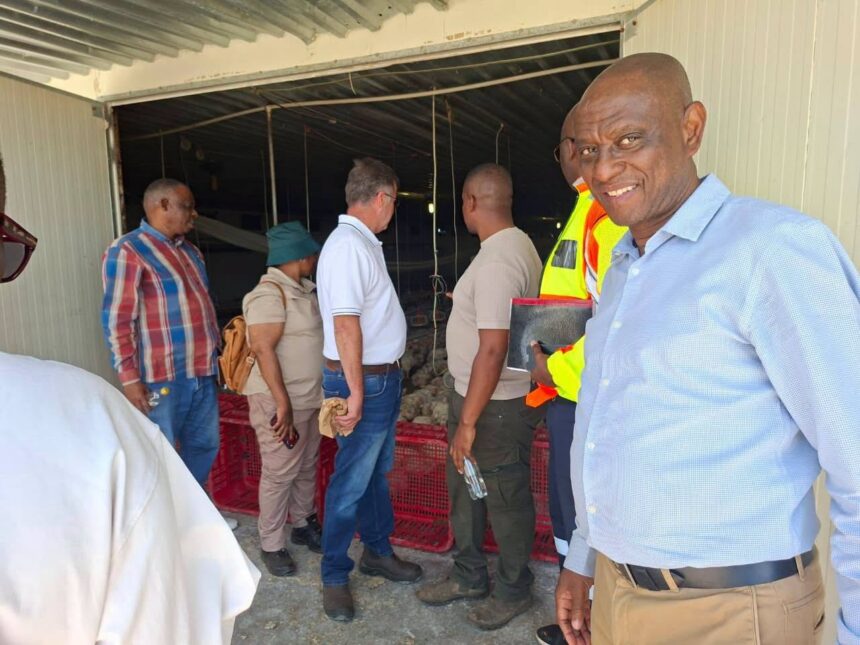
The Portfolio Committee on Agriculture and Rural Development has conducted an oversight visit to Mookgophong in Limpopo’s Waterberg District to assess the progress of agricultural projects supported by the Limpopo Department of Agriculture and Rural Development. Led by Chairperson Honourable Bella Kupa-Mabuza, the committee visited projects on Friday, 21 August 2026, with a focus on how government investment is translating into production, employment and economic opportunities. The visit included the SL and Sons Poultry Project and the Immerpan Red Meat Mega Project, two initiatives that have received different forms of departmental support. The oversight programme provided an opportunity to inspect infrastructure, engage directly with farmers and beneficiaries and identify challenges that continue to affect agricultural operations. Such visits are important because government-funded projects need regular monitoring to ensure that public investment delivers lasting benefits for farmers and rural communities.
The first stop was the SL and Sons Poultry Project, where committee members conducted a follow-up assessment of progress since their previous visit. The committee inspected the poultry infrastructure and discussed the utilisation of government support, production capacity, market opportunities and the challenges facing the business. During the earlier visit, the project’s 40 000-capacity broiler house was nearing completion, but vandalism later caused significant damage and delayed progress. The department responded by rebuilding the vandalised broiler house, improving the cooling system in the first poultry house and installing drainage infrastructure to address storm-water problems. These interventions demonstrate the importance of protecting agricultural infrastructure once government has invested in its development.
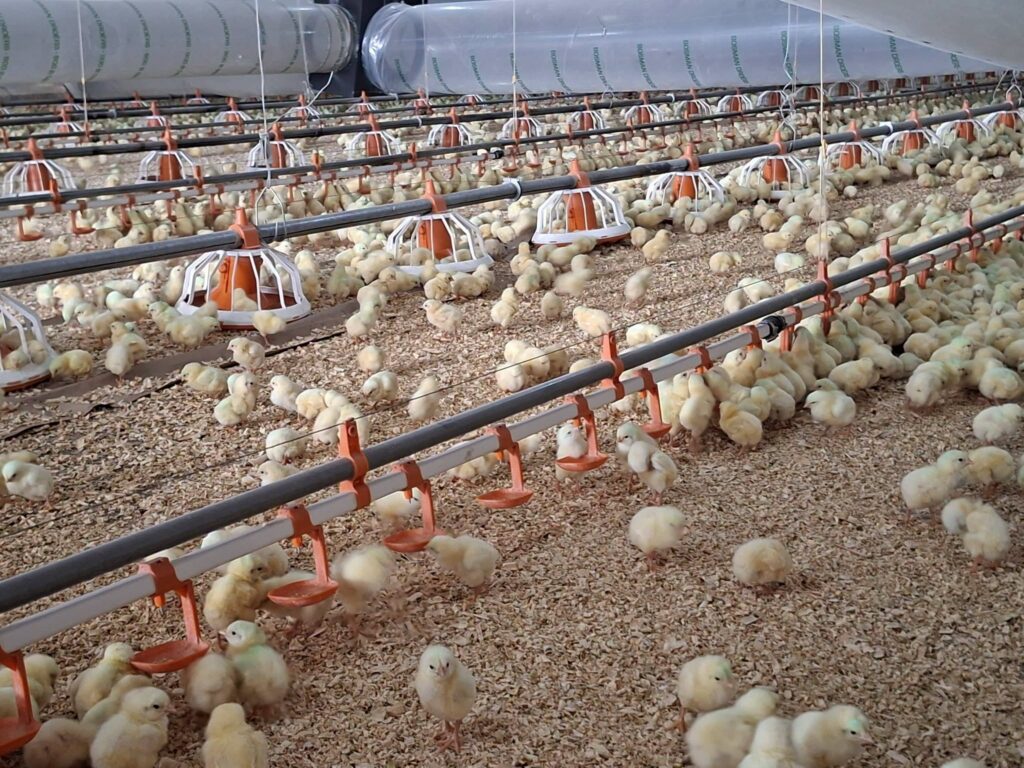
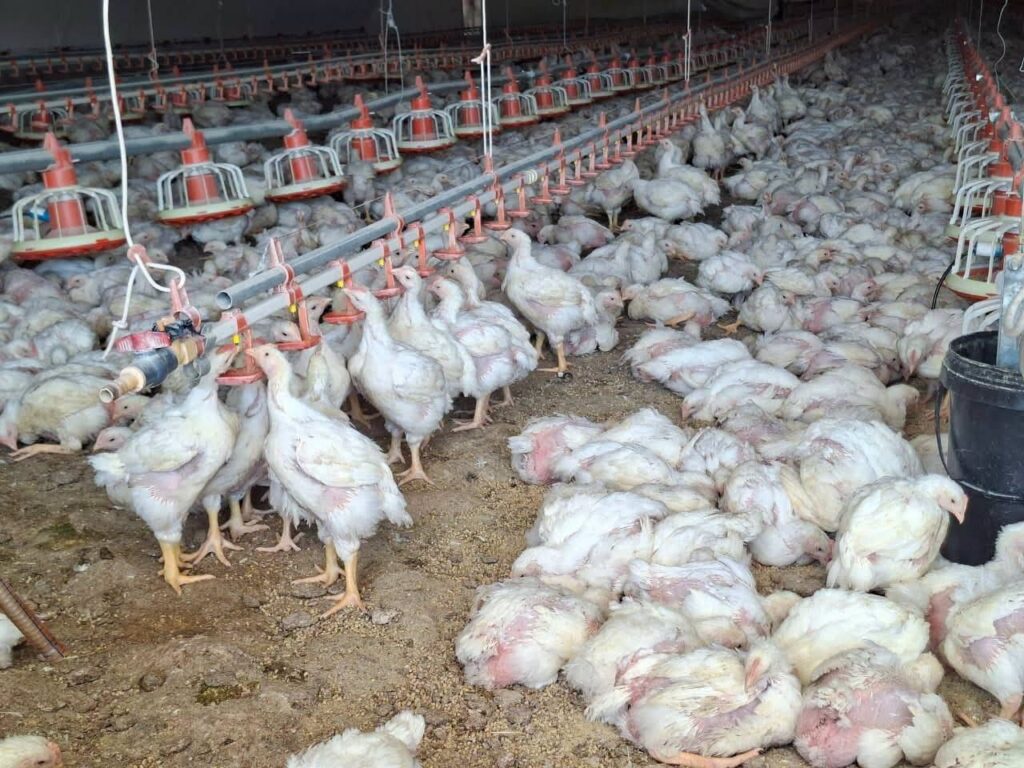
According to Mr Tsokotla Tladi from the LDARD Waterberg District, the poultry farm covers approximately 20 hectares under a nine-year lease and currently provides employment to eight permanent workers and 10 seasonal workers. The existing employment figures show the potential of agricultural projects to contribute directly to livelihoods in rural communities. However, the farm continues to face several operational challenges linked to its location in a low-lying area. Flooding, poor access roads and storm-water management remain concerns that could affect production if they are not addressed effectively. The project also requires additional biosecurity facilities to strengthen disease prevention and protect the poultry operation. Mr Tladi confirmed that the departmental interventions completed at the project met the required standards, providing an important foundation for continued development.
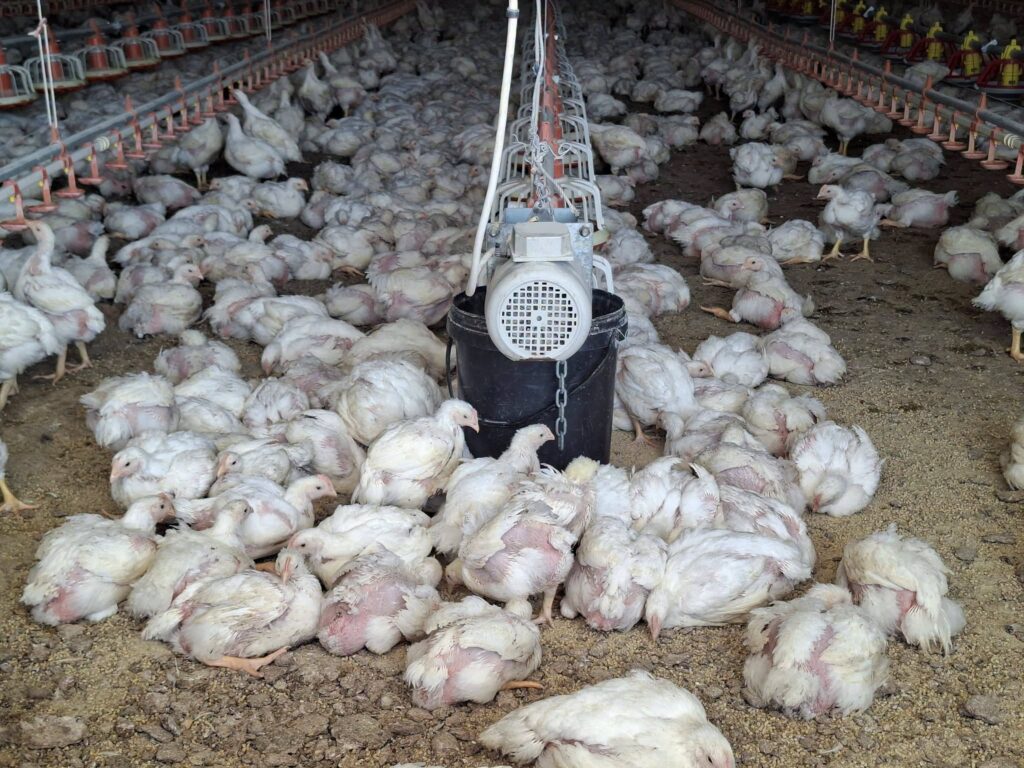
Vandalism remains one of the challenges that can undermine agricultural projects and waste valuable public resources. In the case of SL and Sons Poultry Project, damage to the broiler house resulted in delays and required additional intervention to restore the facility. Farmer Mr Percy Makola told the committee that measures had now been introduced to prevent a recurrence of the vandalism. His experience in poultry farming also provides an important foundation for the continued development of the enterprise, as he has been involved in the industry for approximately 16 years. What began as an informal operation has grown into an established business supported through blended financing, including funding from Land Bank. The project’s development illustrates how farmer experience, government support and financing can combine to help an agricultural enterprise move towards greater commercial activity.
Market access remains another important consideration for the poultry project as it works to expand its business. The farm currently relies significantly on the hawker market, which provides an important outlet for its products and connects the business with local consumers. However, the farmer has plans to broaden the customer base by supplying the Lebowakgomo abattoir. There are also longer-term plans to develop a small abattoir, subject to the required environmental and regulatory approvals. Expanding into additional markets could help the enterprise increase sales, improve production volumes and create more employment opportunities. The committee’s encouragement for the farmer to strengthen market access reflects the importance of moving agricultural projects towards sustainable commercial activity rather than relying solely on government support.
The committee acknowledged the progress made at SL and Sons Poultry Project but stressed that government investment must ultimately contribute to sustainable economic activity and job creation. Agricultural infrastructure has value when it enables farmers to produce, access markets, generate income and create opportunities for others. The committee therefore encouraged Mr Makola to continue expanding the business while strengthening its market position. Increasing production could create additional demand for labour and related services, contributing to economic activity in the surrounding community. However, expansion also requires careful attention to infrastructure, biosecurity, water management, financing and market demand. Addressing these areas will be important if the poultry project is to realise its full commercial potential.
The oversight programme then moved to the Immerpan Red Meat Mega Project, which involves 77 beneficiaries across its first and second phases. The department has provided several forms of support to the project, including workshops and awareness campaigns aimed at strengthening the capacity of beneficiaries. Infrastructure interventions have included borehole water supply, a reservoir, solar installation, fencing and animal-handling facilities. These investments are intended to improve the project’s ability to manage livestock and establish the infrastructure required for productive red meat farming. The project also has the potential to contribute to local food production and rural economic development if its outstanding challenges can be addressed. Continued monitoring will be important to determine whether the interventions are producing the expected improvements in livestock production and beneficiary livelihoods.
Despite the support already provided, the Immerpan project continues to face challenges that could affect its sustainability. Water quality is one of the concerns, with high fluoride levels affecting the available water supply. The project also faces problems with deteriorating livestock facilities and inadequate fencing, both of which can affect animal management and security. These challenges show that agricultural infrastructure requires ongoing maintenance and that initial government investment may need to be followed by appropriate support and local management. Addressing water quality is particularly important for livestock projects because reliable access to suitable water is essential for animal health and production. Improving fencing and maintaining handling facilities can also help beneficiaries manage livestock more effectively and protect the assets associated with the project.
Representatives of the Tjali Communal Property Association expressed appreciation to the committee and the department for the assistance that has already been provided. Their response highlights the importance of government support in helping communities develop agricultural assets and production capacity. At the same time, the representatives stressed the need for continued assistance to address the challenges that remain at the project. This balance is important because beneficiaries need both initial infrastructure and the capacity to maintain and use it effectively over time. Community participation is also essential because agricultural projects can only become sustainable when beneficiaries take ownership of their responsibilities. Continued cooperation between the community, the department and other stakeholders can help ensure that the investment delivers lasting benefits.
Chairperson Bella Kupa-Mabuza also placed strong emphasis on the responsibility of communities and beneficiaries to protect government-funded infrastructure. Public assets such as poultry houses, livestock facilities, fencing, reservoirs and other infrastructure represent significant investment and are intended to serve communities over many years. When facilities are vandalised, stolen or poorly maintained, the consequences extend beyond the immediate financial loss because production can be disrupted and development opportunities can be delayed. Community members therefore have an important role in protecting the infrastructure provided through government programmes. The Chairperson called on communities to work collectively to prevent theft and vandalism and to ensure that public assets remain available for their intended purpose. Protecting these facilities can help preserve agricultural opportunities for current beneficiaries as well as future generations.
The oversight visit also highlighted the importance of combining government investment with farmer responsibility, sound business management and access to markets. Infrastructure and production support can provide a strong foundation, but farmers and beneficiaries must use these resources effectively to build sustainable enterprises. This includes maintaining facilities, protecting assets, managing livestock or poultry properly, strengthening biosecurity and identifying reliable markets. Financial planning is equally important because agricultural businesses need to manage operating costs while investing in future growth. Projects that successfully combine these elements can create employment, increase food production and contribute to rural economic development. Regular oversight can help identify weaknesses and encourage corrective action before challenges threaten the long-term viability of supported projects.
The visit to Mookgophong demonstrates why oversight remains an important part of agricultural development and public investment. The SL and Sons Poultry Project shows both the opportunities and risks associated with developing commercial farming enterprises, while the Immerpan Red Meat Mega Project highlights the importance of infrastructure, water, livestock facilities and community participation. The committee’s engagement with farmers, beneficiaries and departmental officials provided a clearer picture of the progress achieved and the challenges that still need attention. Continued monitoring and cooperation will be necessary to ensure that government-supported agricultural projects move beyond infrastructure development and become productive, sustainable businesses. The ultimate goal should be to turn public investment into increased food production, stronger rural enterprises, more jobs and improved livelihoods. By strengthening accountability, protecting agricultural assets and addressing challenges as they arise, oversight visits such as this can help ensure that agricultural development delivers meaningful and lasting benefits to communities across Limpopo.
Join 'Farmers Mag' WhatsApp Channel
Get the latest Farming news and tips delivered straight to your WhatsApp
CLICK HERE TO JOIN




