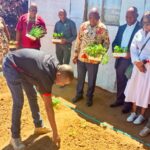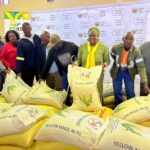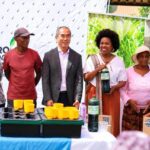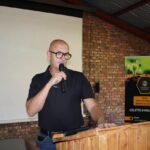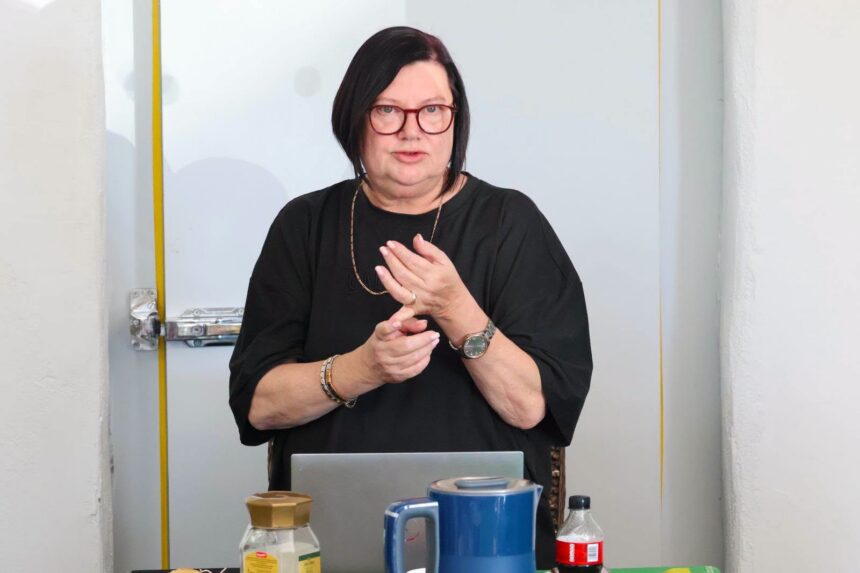
On 22 August, Free State MEC for Agriculture, Rural Development and Environmental Affairs Ms Elzabe Rockman strengthened engagement with farmers through a direct roundtable discussion focused on the challenges affecting agriculture and rural communities. The MEC met with farmers at Valhope Farm in Fauresmith, within Kopanong Local Municipality in the Xhariep District, creating an opportunity for producers to raise concerns directly with provincial leadership. The meeting focused on practical challenges that affect farmers’ ability to produce food, maintain viable enterprises and contribute to local economic activity. It also provided the Department with an opportunity to better understand the realities farmers face at farm level. Direct engagement of this nature can help create stronger links between government programmes and the needs of agricultural communities.
The roundtable brought together a diverse group of agricultural stakeholders, including owners of PLAS farms, Fauresmith Commonage farmers, subsistence farmers, the Chairperson of YARD in Xhariep District and representatives of agricultural cooperatives. Bringing these different groups together allowed the discussion to reflect a broad range of farming experiences and challenges. Commercial and emerging farmers can face different constraints, but issues such as infrastructure, resources and access to reliable services can affect producers across different farming systems. The participation of agricultural cooperatives and youth representatives also added important perspectives on the future of farming and rural economic development. By creating a shared platform, the engagement allowed farmers to raise concerns collectively while identifying areas where cooperation could support solutions.
One of the key concerns raised by farmers was access to productive resources and land. Access to suitable agricultural land can influence a farmer’s ability to establish, expand or sustain a farming enterprise. Farmers also require access to inputs, equipment and other resources to make productive use of available land. When these resources are limited, producers may struggle to increase output even when they have the skills and commitment required to farm successfully. Addressing resource constraints is therefore an important part of creating an environment where farmers can develop sustainable enterprises and contribute more strongly to local food production.
Infrastructure was another major issue discussed during the engagement, with farmers highlighting inadequate fencing as one of the challenges affecting their operations. Proper fencing is important for managing livestock, protecting crops and maintaining clear boundaries on agricultural land. Inadequate infrastructure can increase operational risks and place additional financial pressure on farmers who may have limited resources to address major infrastructure needs themselves. Infrastructure challenges can also affect the efficiency of farming activities and limit the potential for expansion. Investment in appropriate agricultural infrastructure can therefore have a direct impact on the ability of farmers to maintain productive and sustainable operations.
Reliable access to water was also raised as an important concern during the roundtable. Water is fundamental to agricultural production, whether it is required for livestock, crop irrigation or other farming activities. Unreliable water supplies can make production planning difficult and can increase the vulnerability of farmers during periods of dry conditions. For farmers operating in rural areas, infrastructure that ensures consistent access to water can be critical to maintaining production throughout the year. Addressing water challenges can therefore support both agricultural productivity and the long-term viability of farming enterprises in the Xhariep District.
The challenges raised during the meeting have implications beyond individual farms because they can affect local food systems and rural economies. Farmers who cannot access sufficient land, water or infrastructure may struggle to maintain production, expand their businesses or create employment. Reduced agricultural activity can also affect other businesses that depend on farming, including suppliers, transport operators, traders and local service providers. Supporting farmers to overcome these constraints can therefore generate benefits across wider rural communities. Strong agricultural production can contribute to food availability while supporting household incomes and economic activity in farming areas.
The roundtable also demonstrated the importance of giving farmers an active role in discussions about agricultural solutions. Rather than simply receiving information from the Department, producers were able to explain their experiences and contribute directly to conversations about possible interventions. Farmers have practical knowledge of the conditions affecting their land, livestock, crops and businesses, making their input valuable when government programmes are being planned. Listening to farmers can help officials identify whether existing support mechanisms are addressing the right problems and where adjustments may be necessary. Meaningful participation can therefore improve the relevance and effectiveness of agricultural interventions.
Direct engagement can also help Agricultural Advisors identify challenges that are shared across multiple farming communities. When similar concerns are raised by different groups, the Department can assess whether coordinated interventions may provide a more effective response. This can help move agricultural support beyond individual cases and towards solutions that address broader infrastructure, resource or service delivery challenges. Regular communication can also make it easier for officials to track whether interventions are producing meaningful improvements over time. Strong relationships between farmers and Agricultural Advisors can therefore support more responsive agricultural planning and implementation.
Food security was an important consideration underlying the discussions because farmers play a central role in producing food for households and markets. Sustainable food production depends on farmers having access to land, water, infrastructure, agricultural inputs, knowledge and appropriate support services. When these factors are constrained, farmers may experience lower productivity, increased costs and greater difficulty maintaining viable businesses. These challenges can ultimately affect food availability, household incomes and economic activity within rural communities. Supporting farmers to overcome production barriers is therefore closely linked to strengthening food security and rural livelihoods.
The engagement at Valhope Farm also highlighted the importance of accessible leadership within the agricultural sector. Direct conversations allow government leaders to hear concerns in the places where agricultural production actually takes place rather than relying solely on administrative reports or general assessments. This can provide a clearer understanding of how policies, programmes and support interventions are experienced by farmers. It can also create greater accountability by ensuring that agricultural challenges are openly discussed and that possible solutions are considered with the people directly affected. Continued engagement can strengthen trust and improve cooperation between government and farming communities.
The concerns raised by farmers during the roundtable can assist the Department in identifying the interventions that producers consider most urgent. Issues such as land and productive resources, fencing, water and other infrastructure requirements need practical responses if farmers are to increase production and strengthen their enterprises. Understanding these priorities can also help government align available programmes with the realities facing farming communities across the Xhariep District and the wider Free State. Collaboration with farmers, cooperatives and other agricultural stakeholders can improve the chances of developing solutions that are both relevant and sustainable. The success of future interventions will depend on continued communication and follow-through after engagements such as this one.
The 22 August roundtable at Valhope Farm reaffirmed the importance of working directly with farmers to strengthen agriculture, rural livelihoods and food security. MEC Elzabe Rockman’s engagement provided farmers in Fauresmith with a platform to raise practical concerns while giving the Department valuable insight into the challenges affecting production on the ground. The discussion showed that access to land, productive resources, fencing and reliable water remains important to the ability of farmers to sustain and expand their operations. Continued farmer participation can help shape agricultural interventions that respond to real needs and support stronger outcomes across rural communities. By maintaining regular engagement and building practical partnerships with producers, the Department can contribute to increased agricultural production, sustainable livelihoods and a stronger food system in the Xhariep District and across the Free State.
Join 'Farmers Mag' WhatsApp Channel
Get the latest Farming news and tips delivered straight to your WhatsApp
CLICK HERE TO JOIN